
Composite vs. Wood Decking
Composite decking costs more up front (about $12–$22 per sq ft for boards vs. $2–$5 for pressure-treated wood) but needs only cleaning. Wood is cheaper to build and easy to repair, but needs refinishing every 1–6 years.
By LandscapeLookup Editors5 min read
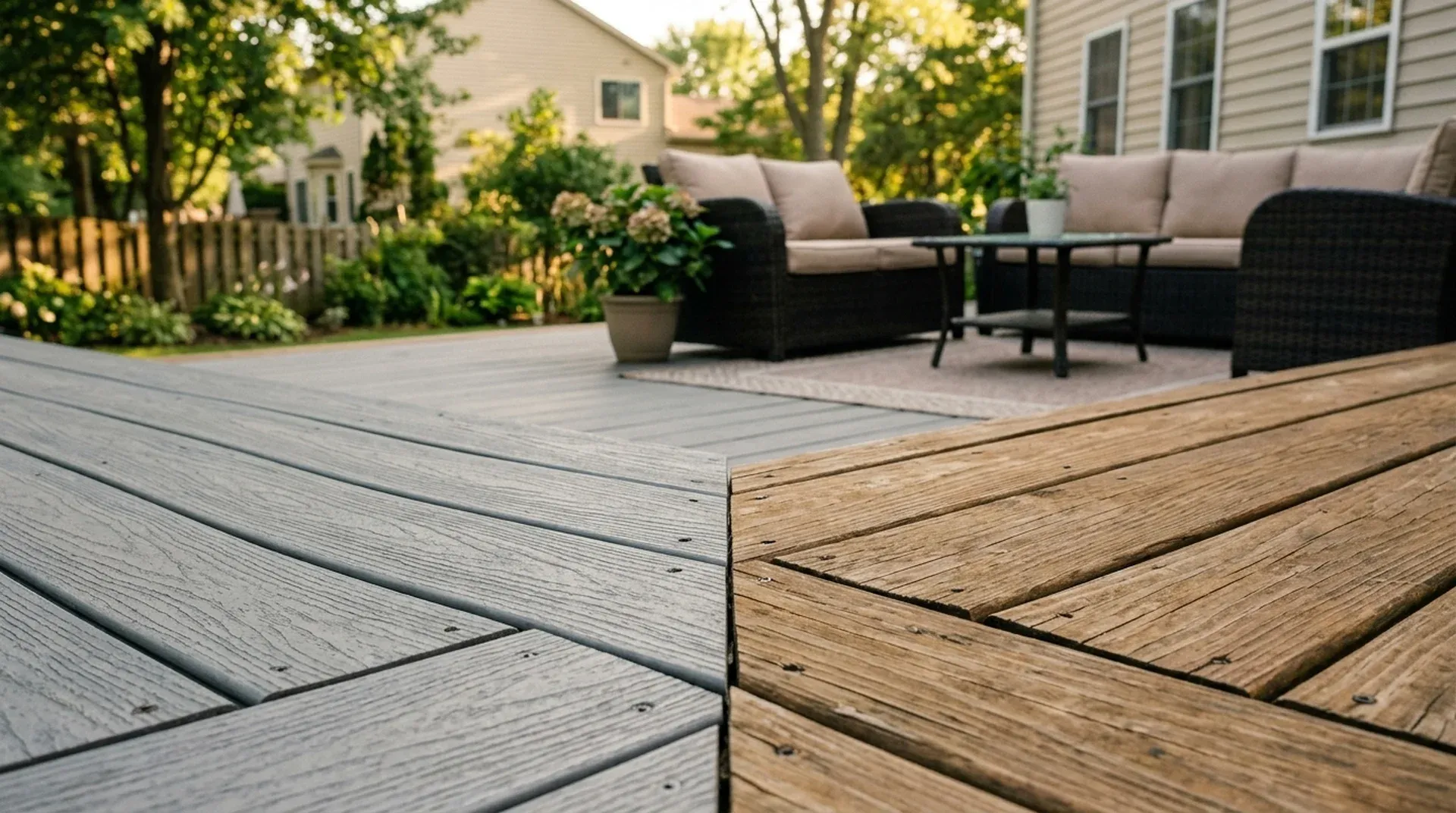
Composite decking costs more to buy but saves you years of sanding and staining, while wood is cheaper up front and easy to repair but needs refinishing every 1–6 years depending on the finish. HomeAdvisor's deck cost guide lists composite boards at $12–$22 per square foot versus $2–$5 for pressure-treated lumber, before labor. If you plan to stay in the house a long time and hate maintenance, composite usually wins; if budget comes first, wood does.
Cost: composite vs. wood
Decking material is only part of the bill. HomeAdvisor puts deck labor at $15–$35 per square foot, and both materials sit on a similar structural frame. Some codes, such as Philadelphia's, require the frame itself to be pressure-treated wood even when the surface boards are composite.
|
Decking material |
Material cost per sq ft (boards only) |
|---|---|
|
Pressure-treated wood |
$2–$5 |
|
Cedar |
$3–$7 |
|
Redwood |
$5–$35 |
|
Ipe (tropical hardwood) |
$10–$20 |
|
Composite |
$12–$22 |
Source: HomeAdvisor. Prices vary by region and lumber market.
For whole projects, HomeAdvisor's figures look like this:
- Average deck: $8,321, with most between $4,339 and $12,653.
- By size: about $5,760–$8,640 for a 12x12 and $12,800–$19,200 for a 16x20.
- Composite, installed: $25–$54 per square foot, which lines up with $12–$22 boards plus labor.
- Pressure-treated wood, installed: HomeAdvisor doesn't list one installed rate, but its $2–$5 boards plus $15–$35 labor come to roughly $17–$40 per square foot.
Stairs, railings and a raised or multi-level design push either material toward the top of those ranges.
Maintenance and lifespan
Wood
Wood needs a protective finish, and that finish wears off. In a release from the USDA Forest Products Laboratory, its researchers say a clear water-repellent sealer lasts about 1 year on a deck, a tinted water-repellent preservative about 2 years, and a semitransparent stain about 4–6 years. Bob Vila puts the full sand, stain and seal cycle at every 2–5 years and a professional staining job at $540–$1,250.
The upside is that wood is forgiving. You can sand out scratches, replace a single board and re-stain in a new color. With regular care, Bob Vila says a wood deck can last 20 years or more; Trex gives a range of 10–30 years depending on material and conditions.
Composite
Composite boards don't need staining or sealing. Routine care is cleaning, which Bob Vila suggests doing about twice a year with soapy water and a brush. HomeAdvisor's composite decking guide says most composite decks last 25–50 years.
Warranties are long. Trex offers 25- to 50-year limited warranties on its composite decking, depending on the product line. TimberTech lists a 50-year fade and stain limited warranty on its AZEK boards, which are capped polymer (PVC) rather than wood composite.
The catch: composite can't be sanded and refinished. When boards are badly worn or scratched, they get replaced.
|
|
Wood (pressure-treated or cedar) |
Composite |
|---|---|---|
|
Upfront cost |
Lower |
Higher |
|
Routine care |
Clean, plus re-seal or re-stain every 1–6 years |
Clean about twice a year |
|
Typical lifespan |
10–30 years |
25–50 years |
|
Repairs |
Sand, patch, replace boards |
Replace boards |
|
Rot and insects |
Vulnerable without upkeep |
Resists rot and insect damage |
Heat, looks and feel underfoot
Composite gets hot in direct sun. TimberTech itself says all decking products get hot in the sun and that the darker the color, the hotter it feels, so it recommends lighter colors for hot climates.
Bob Vila's comparison adds a few more trade-offs:
- Wet composite can be slippery in shady spots where algae or mold grow.
- Composite has built-in UV resistance and won't fade or lighten as much as natural wood. HomeAdvisor's composite guide also credits built-in UV inhibitors.
- Wood looks and feels natural, but pressure-treated lumber is known to warp and splinter from exposure to the elements.
Climate and regional differences
- Hot, sunny regions (Southwest, Texas, Florida): Heat is the main complaint about composite. Choose a light color, add shade (a pergola works well), and test a sample board in the sun before you commit.
- Wet, humid regions (Southeast, Pacific Northwest): Wood is more prone to mold, mildew and rot if the finish lapses. Composite resists rot, but shady decks still need cleaning to prevent algae.
- Cold regions (Northeast, Midwest, mountains): Footings matter more than decking. Codes require footings below the frost line, and the depth varies a lot. New Ulm, Minnesota, for example, requires 42 inches. Your building department sets the number for your area.
Resale value
Don't expect to get every dollar back when you sell. Trex, citing Remodeling magazine's 2024 Cost vs. Value report, says a composite deck costing about $24,206 recouped roughly 68% at sale. The report is updated every year and varies by market, so check the current edition for your region. If you'll sell within a few years, a well-built wood deck may make more financial sense. If you're staying long-term, composite's lower upkeep counts for more.
Permits, footings and digging
Most decks need a building permit. HomeAdvisor puts permit fees at about $230–$500. Under the IRC, a deck is exempt only if it's 200 square feet or less, no more than 30 inches above grade, not attached to the house and not serving the required exit door, as shown in Federal Way, Washington's IRC summary. Local rules can be stricter.
Other code basics, using New Ulm's handout as an example: guards are required when any part of the deck is 30 inches or more above grade, and they must be at least 36 inches tall. The same handout warns that some man-made decking products haven't been tested or approved, so check with the manufacturer or your building department before you order.
Before anyone digs footings, contact 811. It's free, and you should call a few business days before digging so buried utilities get marked. If your HOA has design rules, get approval for colors and railings in writing too.
When to call a pro
A small, low, freestanding deck is a reasonable DIY project for some homeowners. Hire a pro for anything attached to the house, raised more than a few feet, or on a slope, since those jobs involve ledger connections, footings and guards that have to meet code.
When you hire:
- Get 2–3 written quotes that list the same decking product, railing and square footage.
- Ask for photos of similar decks, ideally in the same material.
- Check licensing and insurance where your state requires it, and confirm who pulls the permit.
- Get the scope, warranty terms and payment schedule in writing.
Not sure you want a deck at all? Compare deck vs. patio or see what a paver patio costs. When you're ready, find deck and outdoor living pros near you on LandscapeLookup. It's free with no sign-up, and you contact pros directly.
Editorial team
The LandscapeLookup editorial team writes guides to help US homeowners plan yard projects and hire the right pro. Each guide is based on university extension services, government sources such as EPA WaterSense and USDA, manufacturer instructions and published cost guides, and links to them so you can check the details.
Keep reading
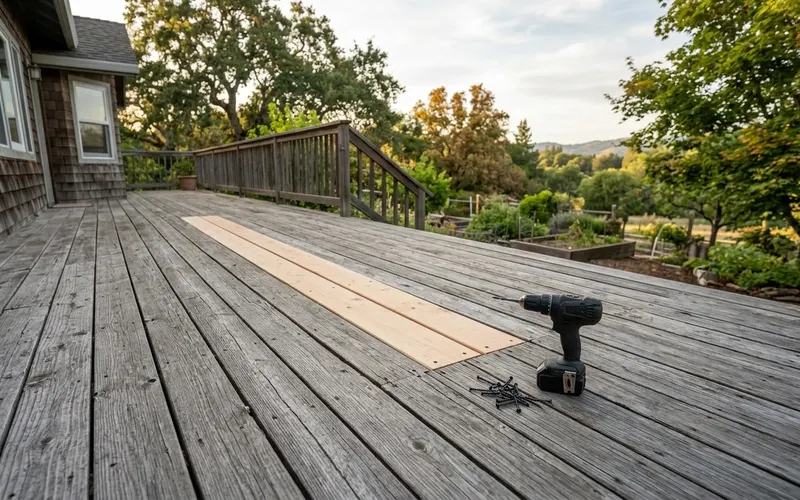
Deck Repair or Replace? How to Decide and What It Costs
Repair a deck when the frame, ledger and posts are sound and the damage is limited to boards, railings, stairs or the finish. Replace it when rot or insects have spread through the framing. Repairs average about $1,465; replacement often runs $5,420 to $14,540.
October 5, 2026
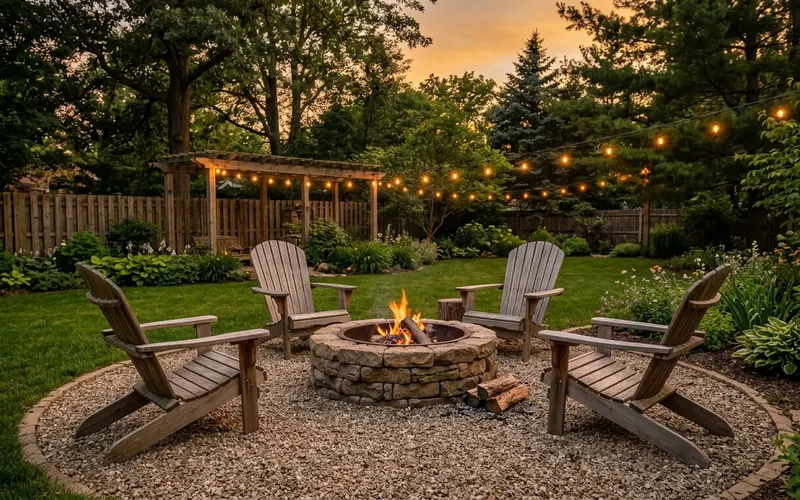
Fire Pit Ideas and Costs
Fire pit ideas run from a portable steel bowl on gravel to a stone pit or gas fire table built into a patio. HomeAdvisor puts the average at about $850, with most projects between $200 and $3,000.
September 29, 2026
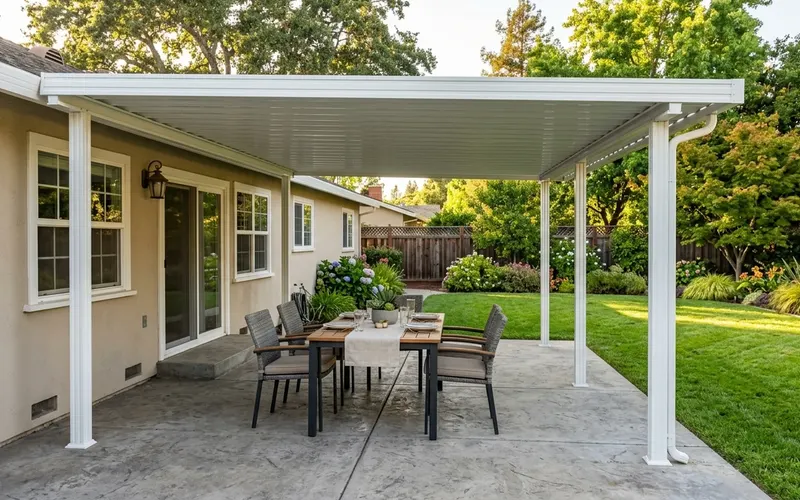
Patio Covers: Types, Materials and Costs
A patio cover can be a $120 shade canopy or a $30,000 gable roof. This Old House puts most patio roofs at $14,000 to $31,000, and the right type depends on whether you need shade, rain cover or snow strength.
September 27, 2026