How Much Does a Paver Patio Cost?
Most paver patios cost $8–$25 per square foot installed, or about $2,275–$6,950 for a typical 280-square-foot patio. Material, base prep, shape, slope and local labor rates decide where your quote lands.
By LandscapeLookup Editors6 min read
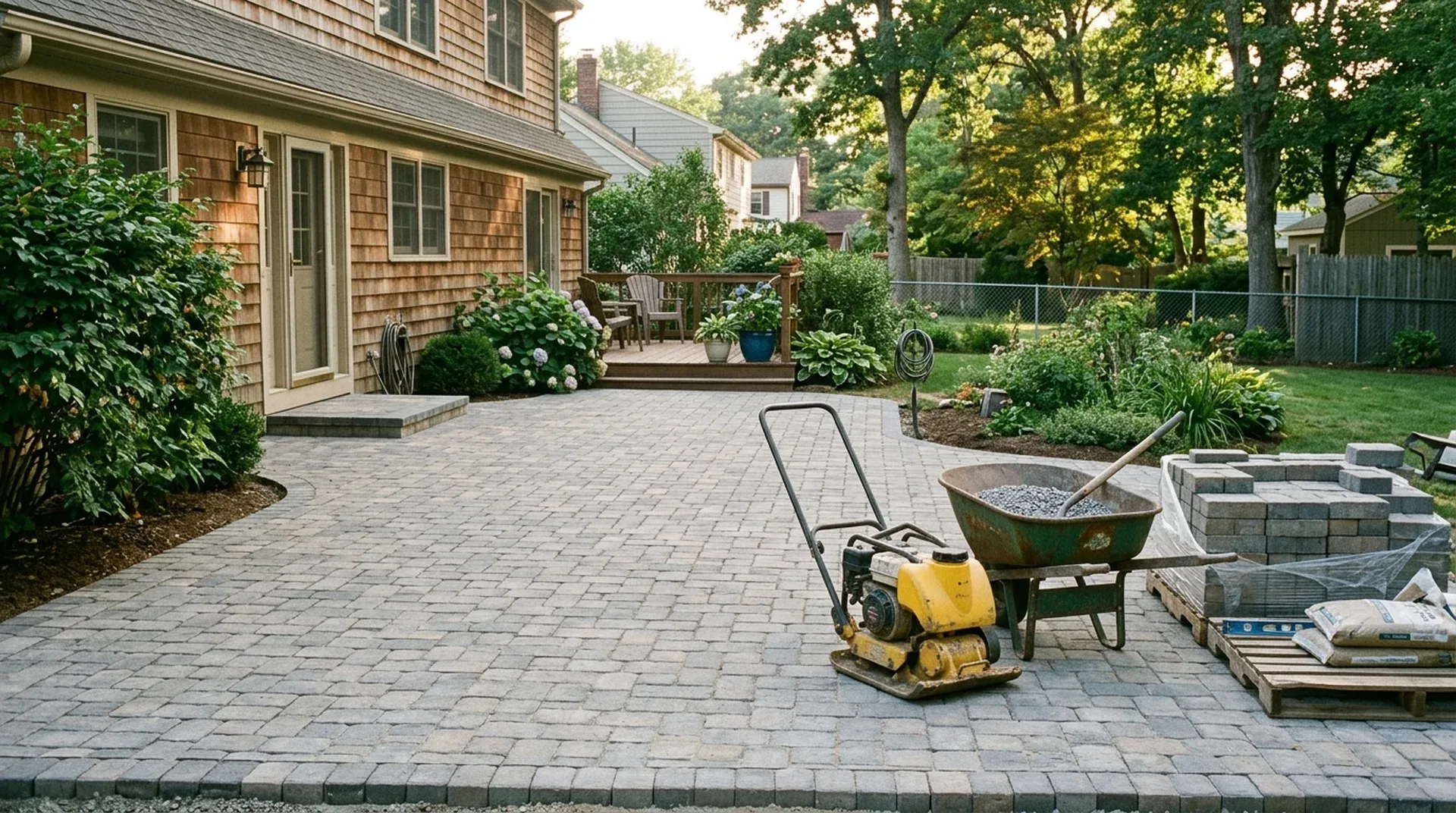
A professionally installed paver patio usually costs $8 to $25 per square foot, according to This Old House. Lawn Love puts a typical 280-square-foot patio at $2,275 to $6,950, with a national average around $3,350, while This Old House puts the average closer to $3,800. Natural stone, curved or multi-level designs, sloped yards and high-cost labor markets push you toward the top of the range.
Paver patio cost by size
Size is the easiest number to pin down, so start there. Measure the length and width of the area you want, multiply, and use the per-square-foot range to get a ballpark.
|
Patio size |
Approx. dimensions |
Typical installed cost |
|---|---|---|
|
100 sq ft |
10 × 10 ft |
$800–$2,400 |
|
150 sq ft |
10 × 15 ft |
$1,200–$3,600 |
|
200 sq ft |
10 × 20 ft |
$1,600–$4,800 |
|
280 sq ft |
14 × 20 ft |
$2,240–$6,720 |
|
400 sq ft |
20 × 20 ft |
$3,200–$9,600 |
|
500 sq ft |
20 × 25 ft |
$4,000–$12,000 |
Ranges from Lawn Love's 2026 cost guide, which multiplies each size by $8–$24 per square foot. That's why its 280 sq ft row differs slightly from its separate $2,275–$6,950 national range. Your local prices may be higher or lower.
A small patio can cost more per square foot than a big one, because the crew still has to bring equipment, haul base material and set up edging no matter how small the job is.
Cost by paver material
The pavers themselves are usually a smaller part of the bill than you'd expect. Here's what the material alone typically costs before labor and base prep, per Lawn Love:
|
Material |
Material cost per sq ft |
What to know |
|---|---|---|
|
Concrete pavers, including interlocking styles |
$3–$6 |
Most popular choice; wide range of colors and shapes |
|
Brick pavers |
$4–$8 |
Classic look; concrete pavers can mimic it for less |
|
Natural stone pavers |
$7–$16 |
Cut stone such as bluestone, travertine or granite |
|
Flagstone |
$13–$30 |
Material only; installed flagstone runs higher (see below) |
Lawn Love lists interlocking pavers at $3–$6 and standard concrete pavers at $4–$6. They're both concrete, so they share one row here. The installed figures below come from other cost guides with their own datasets, so they won't line up exactly with this table.
Installed, This Old House says concrete paver patios start around $8 per square foot. It also notes that concrete pavers can cost about half as much as real brick while looking similar. Flagstone is where estimates spread out most. Bob Vila puts a flagstone patio at $16 to $30 per square foot installed, and This Old House says one can reach about $50 per square foot.
Labor
Labor typically runs $5 to $15 per square foot, or $50 to $80 an hour, according to Lawn Love. This Old House gives a similar $4 to $11 per square foot. Labor rates vary a lot by region, so a quote in a big coastal metro can look very different from one in a rural area.
What drives the price up or down
Two patios of the same size can have very different quotes. These are the usual reasons.
Excavation and base
The base is what keeps a patio flat for decades, and it's where cheap bids cut corners. This Old House describes digging out roughly 8 inches for a typical patio: about 4 inches of compacted crushed stone, 1 inch of bedding sand and the paver itself. It also warns that skimping on the base is a common cause of patios that shift and settle.
Soil and climate change how deep you need to go:
- Pedestrian patios and walkways: about 4–6 inches of base (Unilock).
- Clay or silty soil: 6–8 inches of base, since clay drains poorly (Polycor installation guide).
- Driveways: 8–12 inches of base (Unilock).
Base thickness depends on traffic, soil, drainage and climate, and frozen base material should never be compacted or placed over frozen ground, per Polycor. In the North, that means patio season effectively ends when the ground freezes. More base means more digging, more stone and more hauling, so expect higher quotes on clay soil and in cold-winter regions.
Shape, slope and access
Curves, borders, inlays and patterns mean more cuts and more labor. Sloped or hard-to-reach yards also cost more, per This Old House. If your yard needs regrading first, Lawn Love puts grading at $770 to $3,000 depending on the area.
Add-ons
Extras add up fast. Bob Vila's guide (using 2023 Angi and HomeAdvisor data, so expect higher prices today) lists seating walls at $40 to $60 per linear foot and fire pits at $300 to $1,400. If the patio sits on a slope and needs a retaining wall, Lawn Love lists walls at $40 to $345 per linear foot; see our guide to retaining wall costs for the details.
What a paver driveway costs
A paver driveway costs more per square foot than a patio, because it needs a thicker base to carry vehicles. Lawn Love puts paver driveways at $10 to $40 per square foot. Residential driveway pavers are typically 2⅜ inches thick, the same as patio pavers, according to Concrete Network, but the base underneath is roughly twice as deep.
The trade-off is lifespan. Fixr lists paver driveways at 25 to 50 years, compared with 20 to 40 years for concrete and 12 to 25 years for asphalt.
A driveway also tends to need city sign-off. Fixr says most communities require a permit (Fixr calls it a license) to pave a driveway that extends to the street, with fees of $50 to $600 depending on the city.
Pavers vs. other patio materials
If pavers are over budget, poured concrete is usually the cheaper option up front. Lawn Love's patio cost guide puts plain poured concrete at $4 to $10 per square foot, while flagstone and cut stone cost more. The bigger differences show up over time: pavers can be lifted and reset if a section sinks, while a cracked slab usually means patching or replacing it. Our guide to pavers vs. concrete compares the two in detail.
Also budget for upkeep. Concrete Network says paver joints may need fresh sand every 2 or 3 years, depending on weather. Polymeric sand can cut down on weeds and washout. Sealing is optional but adds a recurring cost; see whether you should seal pavers.
Can you save by doing it yourself?
You can, but a paver patio is heavy, slow work. You'll need to dig out several inches of soil, haul and compact base in layers, screed sand and cut pavers. Renting a plate compactor runs roughly $83 to $85 a day, or $333 to $340 a week. That's based on Lawn Love and paver supplier Western Interlock, whose figure is from 2022.
Rates vary by store and region. This Old House estimates about two days for a DIY install; treat that as a best case for a small, simple patio.
Before you dig at all, call 811 or file a request online. It's free, and you should contact them a few business days ahead so utility lines can be marked (811 Before You Dig). Bob Vila's guide says paver patios generally don't need a permit, though one may be required if the job involves significant excavation or grading. Check with your city and HOA, especially if you're adding a wall, gas line or electrical outlet. If you're still weighing a patio against a raised deck, see deck vs. patio.
When to call a pro
Hire a hardscaping contractor if the patio is large, on a slope, over clay soil, or tied to walls, steps or a driveway. A good installer will explain how deep they plan to dig and how they'll compact the base.
- Get 2–3 written quotes that list square footage, base depth, paver type, edging and joint sand, so you can compare them line by line.
- Ask for photos of similar work, ideally patios a few years old, which shows how the base held up.
- Check licensing and insurance where your state requires a contractor license for hardscaping or landscape work.
- Get the scope and payment schedule in writing, including who handles cleanup, haul-away and any warranty on settling.
You can find local paver installers on LandscapeLookup for free, with no sign-up. Pros are ranked by Google rating weighted by review count, plus how local they are, and you contact them directly. Find a hardscaping pro near you.
Editorial team
The LandscapeLookup editorial team writes guides to help US homeowners plan yard projects and hire the right pro. Each guide is based on university extension services, government sources such as EPA WaterSense and USDA, manufacturer instructions and published cost guides, and links to them so you can check the details.
Keep reading
Flagstone Patios: Cost and How They're Built
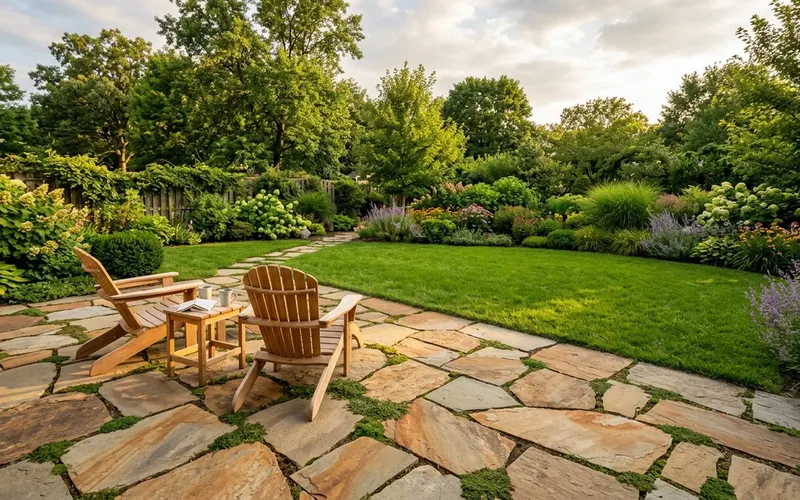
A flagstone patio usually costs $15 to $27 per square foot installed, or about $3,600 on average. Most are dry-laid on compacted gravel and sand; mortared stone on a concrete slab costs more and can crack in freeze-thaw climates.
October 3, 2026
How to Lay Pavers: Base, Sand and Steps
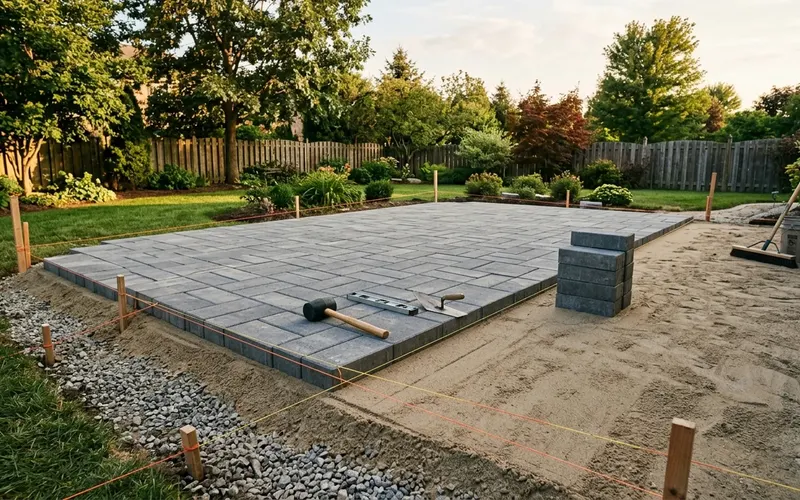
Lay pavers on at least 4 inches of compacted crushed-stone base (more on clay or in freezing climates), then 1 inch of screeded concrete sand. Set the pavers, add edge restraints, compact and sweep in joint sand, with a slope of 1/8 to 1/4 inch per foot.
September 24, 2026
Driveway Costs for Asphalt, Concrete, Pavers and Gravel
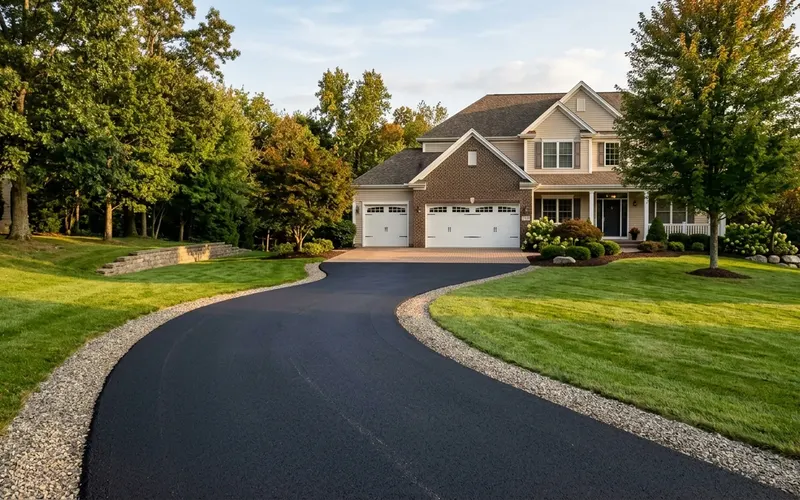
A new asphalt driveway usually costs $7 to $15 per square foot installed, or about $3,100 to $7,400 for a typical job. Gravel costs less, concrete a bit more, and pavers the most.
September 20, 2026