

Patio Covers: Types, Materials and Costs
A patio cover can be a $120 shade canopy or a $30,000 gable roof. This Old House puts most patio roofs at $14,000 to $31,000, and the right type depends on whether you need shade, rain cover or snow strength.
By LandscapeLookup Editors7 min read
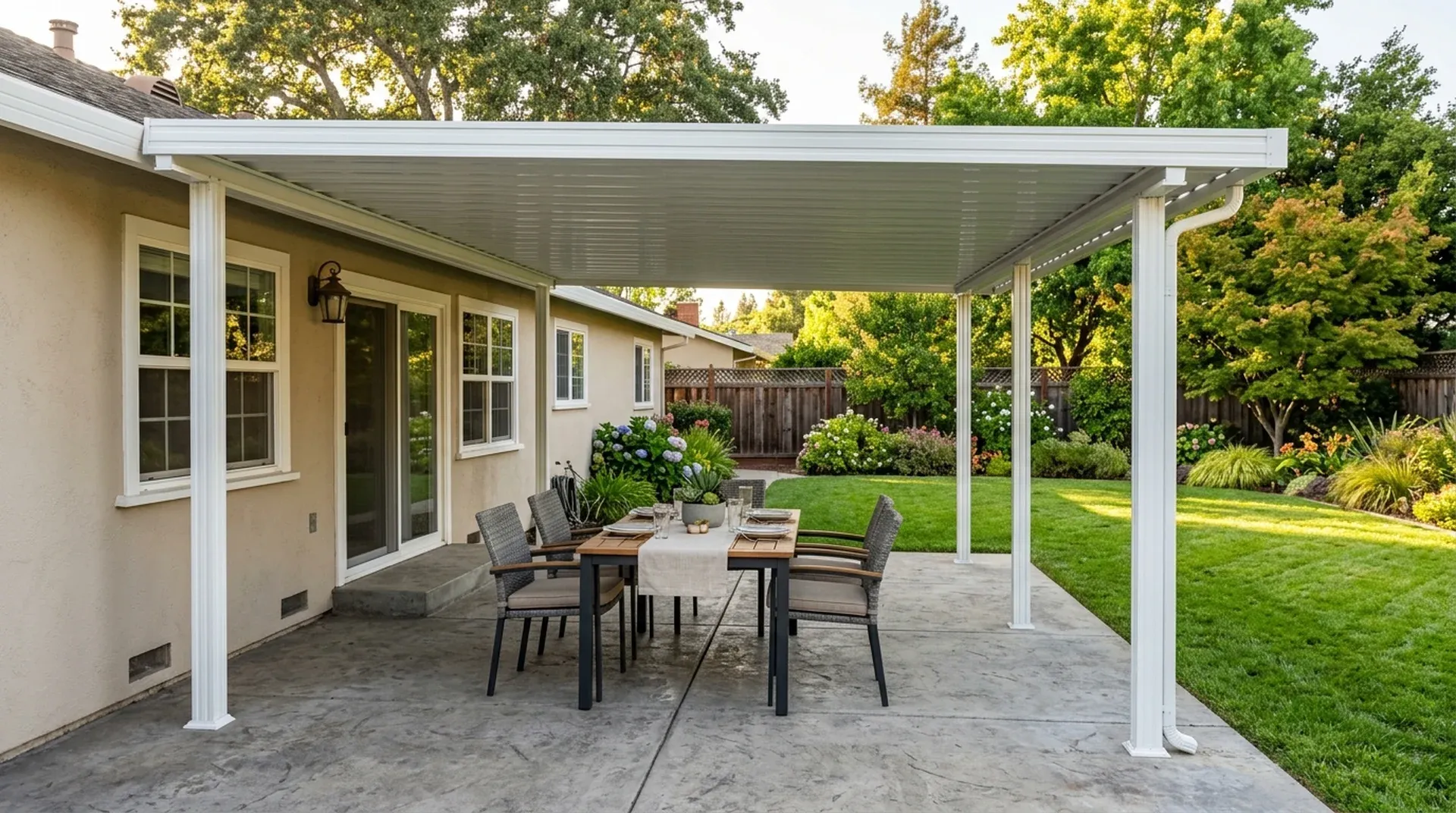
A patio cover is a roof over your patio, either attached to the house or freestanding on its own posts. It can be as simple as a shade canopy for a few hundred dollars or as involved as a shingled gable roof. This Old House says most homeowners pay $14,000 to $31,000 for a built patio roof, with an average around $21,000.
The best choice comes down to what you need to block (sun, rain or snow), how long you want it to last and what your city will permit. Here's how the main types and materials compare.
Types of patio covers
Patio covers fall into two groups: shade covers that cut sun but let rain through, and solid roofs that keep you dry. This Old House's 2026 price ranges by type look like this:
|
Type |
What it does |
Typical cost (This Old House) |
|---|---|---|
|
Canopy or shade sail |
Fabric stretched between posts or anchors; mainly shade |
$120 to $600 |
|
Shed roof |
Single-slope roof attached to the house |
$1,100 to $10,500 |
|
Awning |
Fixed or retractable cover off a house wall |
$1,500 to $7,000 |
|
Pergola |
Open slats on posts; partial shade only |
$4,000 to $15,000 |
|
Gazebo |
Freestanding structure with a solid roof |
$8,000 to $11,000 |
|
Louvered roof |
Slats tilt open for sun or close for rain |
$10,000 to $25,000 |
|
Gable roof |
Two slopes meeting at a ridge, like a house roof |
$13,000 to $30,000 |
Costs are national ranges and vary by region, size and material. This Old House's own louvered figures vary (its text gives $4,500 to $21,500), and it says retractable awnings cost 30% to 40% more than fixed ones. If you're deciding between an open pergola and a solid-roof gazebo, see our pergola vs. gazebo guide.
A louvered roof is the most flexible of the solid options. StruXure, a louvered roof maker, says its closed louvers channel rain into gutters inside the beams and down through the posts.
Attached vs. freestanding
An attached cover uses the house for support on one side, so it needs fewer posts. Bob Vila says attached covered patios generally cost less than freestanding ones for that reason. A freestanding cover can go anywhere in the yard, but it needs its own posts on every side.
The trade-off is the connection to your house. Poway, California's patio cover bulletin requires the ledger board to be lag-screwed into the wall studs, and it doesn't allow rafters to hang only from the existing rafter tails or fascia. That connection holds up one side of the roof, and Poway inspects it separately, so it's the part of an attached cover worth paying a pro to get right.
Patio cover materials compared
Material drives both price and upkeep. This Old House gives these per-square-foot ranges:
|
Material |
Cost per sq ft (This Old House) |
Good to know |
|---|---|---|
|
Vinyl |
$6 to $15 |
Maker says no rot or painting (see below) |
|
Wood |
$16 to $38 |
Needs refinishing (see below) |
|
Fiberglass |
$18 to $42 |
Panel roofing |
|
Aluminum |
$22 to $75 |
Rolled costs less than extruded |
|
Glass |
$28 to $50 |
Lets daylight through |
|
Insulated panels |
$30 to $65 |
Foam-core sandwich panels |
A few notes from manufacturers and researchers:
- Vinyl: Duramax, which makes vinyl patio covers, says vinyl won't rot, warp or need painting and is quieter than aluminum in the rain. Those are the maker's claims, so compare warranties.
- Wood: Wood needs a fresh finish every few years. On decks, the USDA Forest Products Laboratory puts a semitransparent stain at about 4 to 6 years. Our deck staining guide covers timing.
- Polycarbonate panels: Palram, which makes SUNTUF panels, says corrugated sheets typically need a 10% slope, more if leaves or snow will collect, and must go UV-protected side up.
How much does a patio cover cost?
Size is the biggest price driver after type. This Old House estimates $15 to $60 per square foot all-in, which works out to:
|
Patio size |
Roof area |
Cost range |
|---|---|---|
|
12 x 12 ft |
144 sq ft |
$4,200 to $21,500 |
|
12 x 18 ft |
216 sq ft |
$6,500 to $24,000 |
|
20 x 20 ft |
400 sq ft |
$12,000 to $44,000 |
|
18 x 24 ft |
432 sq ft |
$14,500 to $48,000 |
So a 20x20 patio cover, a common size people ask about, runs about $12,000 to $44,000 depending on type and material. For comparison, Bob Vila's 2023 guide cites HomeAdvisor at $8,243 to $26,255 for a covered patio.
Budget for these extras too (This Old House figures):
- Labor: $10 to $35 per sq ft, roughly a third of the total. Most jobs take 2 to 5 days.
- Permits: $200 to $1,400. Larger projects may need engineered plans for $500 to $2,000.
- Footings: $150 to $500 each. A 12x12 cover needs at least 4.
- Gutters: $3 to $20 per linear foot.
- Hurricane areas: in storm-prone states like Florida, required tie-downs and reinforced materials can add 20% or more.
This Old House also says covering a wood deck usually costs more than covering a concrete patio, since the deck may need reinforcing. If you don't have a patio yet, price that first with our paver patio cost guide.
The cheapest way to cover a patio
A fabric shade sail or canopy is the lowest-cost cover. Bob Vila puts sailcloth at $100 to $500 for the fabric, plus about $1,000 for professional installation. It also calls sailcloth the least durable option.
Other budget routes: a retractable awning, a prefab kit you assemble yourself, or a pergola with a canopy. Kits can save on labor, but you're still responsible for footings, attachment and permits.
Which patio cover is best for your climate?
There's no single best patio cover. The right one depends on your weather.
- Snow country: The International Residential Code requires patio covers to carry a minimum 10 pounds per square foot of live load, or the local snow load where that's higher. Snow loads run higher in much of the North, so check that a kit's rating meets your local design snow load. Shade Sails Canada says shade sails aren't rated for snow loads and should come down before the first snowfall.
- Wind and hurricanes: The same code section requires covers to resist local wind loads. SunSetter, an awning maker, recommends retracting awnings in strong, gusty winds and before heavy storms.
- Rain: A solid roof needs enough slope to shed water plus gutters and downspouts that drain away from the house, as the Colorado Chapter of the ICC notes. SunSetter says its fabric awnings should be retracted once water starts to pool.
- Hot, sunny climates: A solid roof gives full shade. Clear polycarbonate is the brighter option: Palram says its panels let in natural daylight with UV protection, which suits spots where you want light more than deep shade.
Do you need a permit for a patio cover?
Usually, if it's attached or permanent. Many places use the International Residential Code, which exempts only one-story detached structures up to 200 sq ft from a permit, as Federal Way, Washington's summary shows. An attached cover isn't covered by that exemption, and local rules can be stricter, so call your building department first.
Under the IRC's patio cover appendix, quoted in Tazewell County, Illinois' handout:
- Patio covers are for outdoor living only, not carports, garages, storage or habitable rooms.
- They're limited to one story and 12 feet in height.
- If you add walls, the longer wall and one other wall must stay at least 65% open (screens, thin plastic or glass count as open or glazed area).
- In frost-free areas, a cover can sit on a slab at least 3.5 inches thick without footings, if each column carries no more than 750 pounds.
Other things to check before you build:
- Inspections: Poway, for example, inspects three times: when footings are dug, when the ledger is attached and at the end.
- Setbacks: Gardena, California, keeps patio covers at least 5 feet from property lines. Your town's number may differ.
- HOA approval: Get it in writing before you order materials.
- Call 811: Footings mean digging. 811 is free, and you should contact it a few business days before you dig.
- Electrical: Fans, lights and outlets need a licensed electrician and permit. ENERGY STAR says fans that may get wet, like on a patio, need a UL "wet" rating. For lighting ideas, see our landscape lighting guide.
Planning to enclose the space later? The Colorado ICC guide notes that some manufactured patio cover systems' evaluation reports prohibit enclosure, so ask before you buy. Our screened porch cost guide covers that route.
When to call a pro
A shade sail, freestanding canopy or small kit can be a DIY job. Hire a contractor for anything attached to the house, any solid roof in snow or hurricane country, and any wiring. The ledger, footings and load ratings are what keep the structure standing.
Before you hire:
- Get 2 or 3 written quotes for the same size, type and material, and ask whether permits, gutters and electrical are included.
- Ask for photos of similar covers they've built, ideally attached ones if that's what you want.
- Check licensing and insurance where your state requires it.
- Ask who pulls the permit and whether the design is engineered or rated for your local snow and wind loads.
- Get the scope, timeline and payment schedule in writing.
You can find outdoor living pros near you or hardscaping pros on LandscapeLookup for free, with no sign-up. Pros are ranked by Google rating weighted by review count, plus how local they are and their main service, and you contact them directly.
Editorial team
The LandscapeLookup editorial team writes guides to help US homeowners plan yard projects and hire the right pro. Each guide is based on university extension services, government sources such as EPA WaterSense and USDA, manufacturer instructions and published cost guides, and links to them so you can check the details.
Keep reading
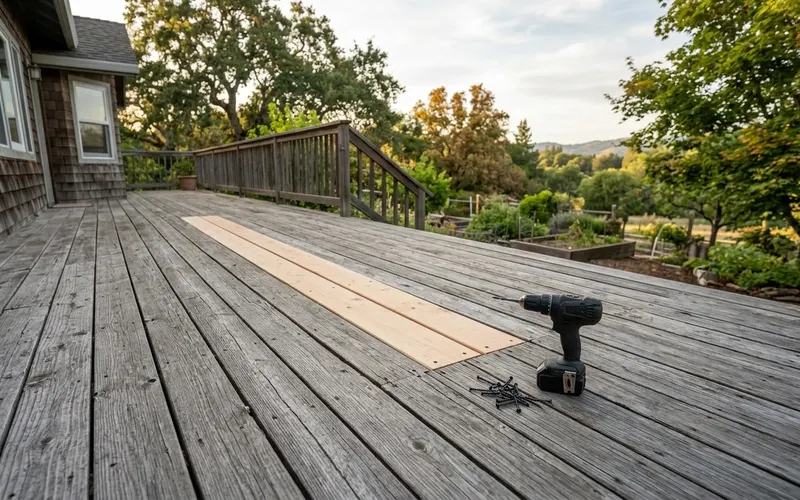
Deck Repair or Replace? How to Decide and What It Costs
Repair a deck when the frame, ledger and posts are sound and the damage is limited to boards, railings, stairs or the finish. Replace it when rot or insects have spread through the framing. Repairs average about $1,465; replacement often runs $5,420 to $14,540.
October 5, 2026
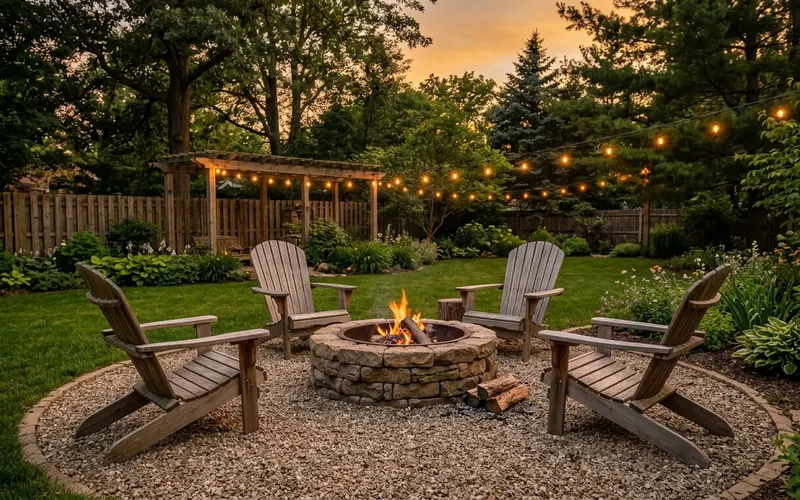
Fire Pit Ideas and Costs
Fire pit ideas run from a portable steel bowl on gravel to a stone pit or gas fire table built into a patio. HomeAdvisor puts the average at about $850, with most projects between $200 and $3,000.
September 29, 2026
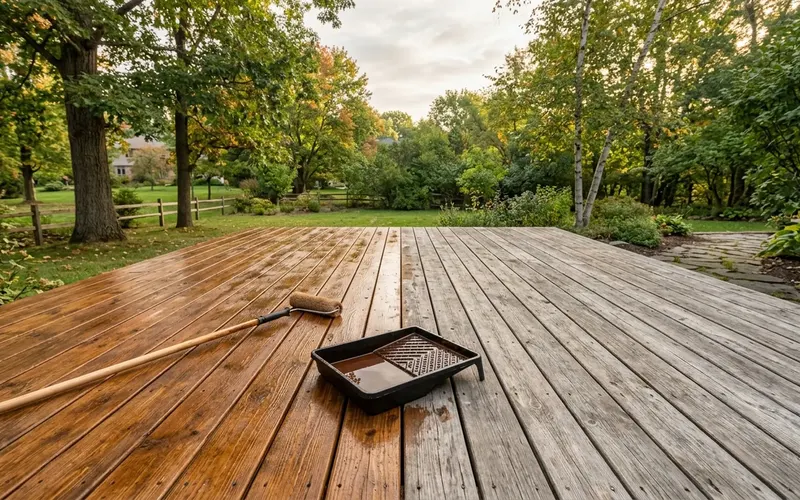
How Often to Stain a Deck (and When)
Most wood decks need a fresh coat every 2 to 3 years, from about 1 year for a clear sealer to 4 to 6 years for a semitransparent stain. Stain on a dry, mild day between 50°F and 90°F, out of direct midday sun, with no rain in the forecast.
September 23, 2026