Skip to content
LandscapeLookup

Lawn Care

When to aerate, overseed, dethatch and fertilize your lawn by grass type and region, plus what lawn care services cost.

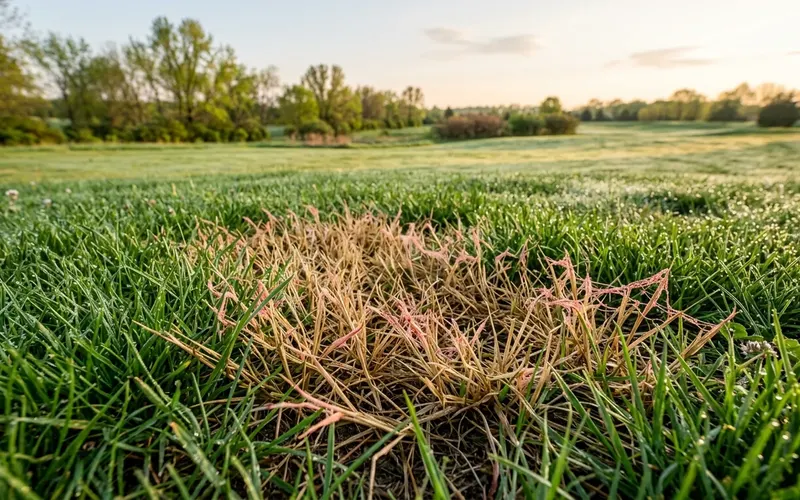
Close-up of a lawn with a tan, bleached patch of grass blades showing fine pink-red threads at the tips

Brown Spots in the Lawn: Fungus or Something Else?

Many brown spots come from drought, dog urine, grubs or fertilizer spills, not fungus. Rule those out with a screwdriver and a tug, then match the spot, season and grass type to red thread, dollar spot, brown patch or large patch.

September 13, 2026
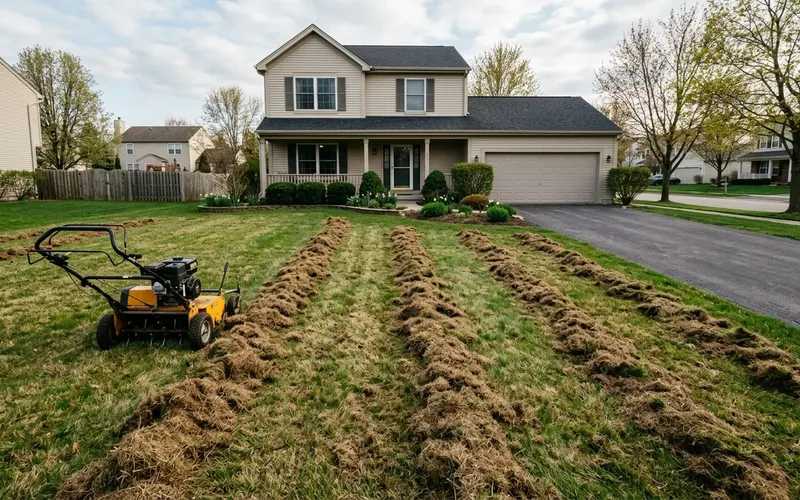
Rows of raked-up brown thatch across a suburban lawn next to a power rake

Dethatching: Does Your Lawn Need It?

Thatch over about 1/2 inch needs managing, and core aeration often handles it. Several extension services save mechanical dethatching for about 1 inch or more: do it in early fall or spring for cool-season grass and late spring to midsummer for warm-season grass.

September 3, 2026

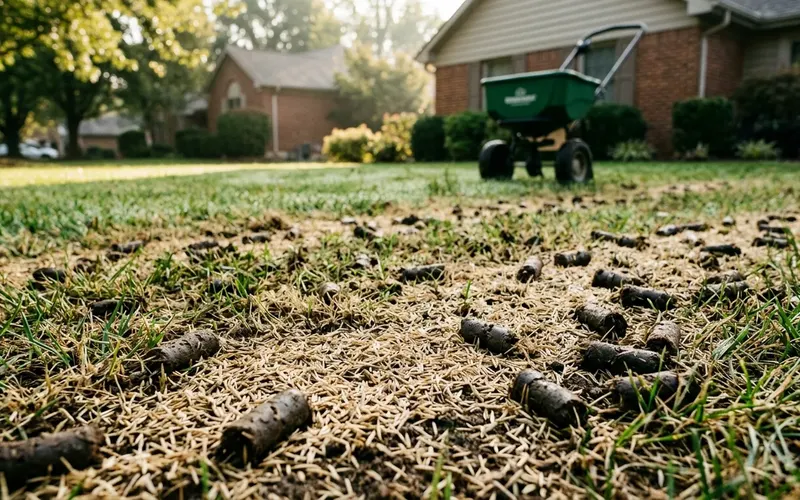
Grass seed and soil plugs on a thin lawn, with a broadcast spreader in the background

Overseeding a Lawn: When and How to Do It

Overseed cool-season lawns in late summer to early fall (mid-August to late September in much of the North) at about half the new-lawn seed rate, after aerating or slit seeding, and keep the top inch of soil moist until the grass is up.

August 28, 2026

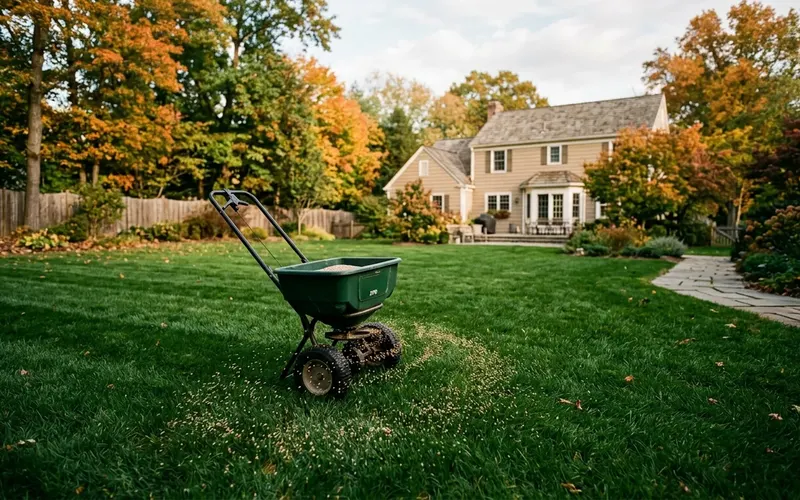
Broadcast spreader scattering granules on a green backyard lawn with fall trees behind

When to Fertilize Your Lawn

Fertilize cool-season grass mainly in fall (September through November), with an optional light feeding in late spring. Fertilize warm-season grass from late spring through summer, once it has fully greened up and the soil is about 65°F.

August 22, 2026