

How Much Does a Sprinkler System Cost?
Most homeowners pay about $1,600–$3,600 for an installed in-ground sprinkler system, or roughly $500–$1,000 per zone, per HomeAdvisor. Yard size, zone count, head types, trenching and local labor rates drive the final price.
By LandscapeLookup Editors4 min read
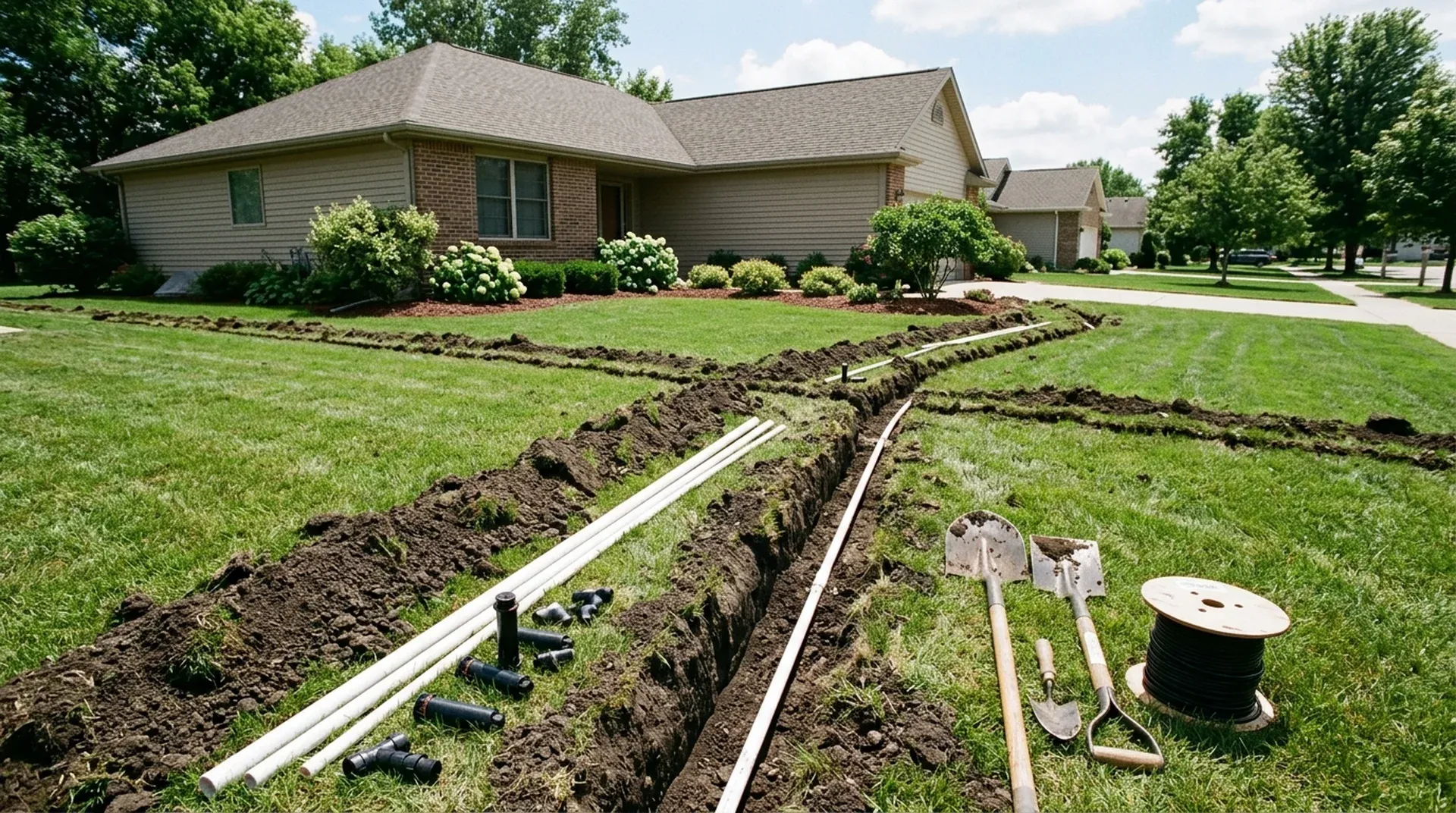
Most homeowners pay about $1,600–$3,600 for a professionally installed in-ground sprinkler system, with a national average around $2,500, according to HomeAdvisor's cost guide. That range covers all project sizes; for a quarter-acre lawn, HomeAdvisor's estimate is $1,740–$3,400. Most quotes work out to roughly $500–$1,000 per zone, and your price depends on lawn size, zone count, head types, digging and local labor rates.
Sprinkler system cost by number of zones
A zone is a group of heads controlled by one valve. More lawn, more beds, and more sun-and-shade differences mean more zones. HomeAdvisor prices systems mainly by zone count.
|
Zones |
Typical installed cost |
|---|---|
|
1 |
$500–$1,000 |
|
2 |
$1,000–$2,000 |
|
4 |
$2,000–$4,000 |
|
6 |
$3,000–$6,000 |
|
7 |
$3,500–$7,000 |
Source: HomeAdvisor, which doesn't list 3- or 5-zone systems. Expect those to fall between the rows around them. Costs vary by region.
Cost by yard size
HomeAdvisor also prices systems by lawn size. Cost rises roughly in step with the area you're watering.
|
Lawn size |
Typical installed cost |
|---|---|
|
1/4 acre (10,890 sq ft) |
$1,740–$3,400 |
|
1/2 acre (21,780 sq ft) |
$3,480–$6,800 |
|
1 acre (43,560 sq ft) |
$6,960–$13,600 |
Source: HomeAdvisor.
The two tables roughly agree. If a quarter-acre lawn needs about 4 zones (yours may need more or fewer), both tables put a normal quote at about $2,000–$3,400.
Sprinkler head types and how they affect cost
The heads you need depend on the shape and size of each area. Landscape company BrightView summarizes the three main types this way:
|
Head type |
Coverage |
Water applied |
Best for |
|---|---|---|---|
|
Spray heads |
5–15 ft |
1.5–2 inches per hour |
Small lawns, narrow strips, beds |
|
Rotary nozzles |
10–30 ft |
0.5–0.6 inches per hour |
Mid-size areas |
|
Rotors |
15–50 ft |
0.5–1 inch per hour |
Large open lawns |
Rotors throw water much farther, so a big open lawn needs fewer heads. Small or oddly shaped areas usually call for sprays. BrightView also notes that different head types shouldn't share a zone. It says sprays put down water 2–3 times faster than rotors, so a mixed zone waters unevenly. That's one reason a yard with mixed areas needs more zones.
For shrubs, beds and gardens, drip lines are often a better fit than any spray head. HomeAdvisor's drip irrigation guide puts most drip installs at $200–$850. See drip irrigation vs. sprinklers for which to use where.
Other costs to budget for
Quotes don't always itemize these, so ask what's included.
|
Item |
Typical cost |
|---|---|
|
Automatic controller (timer) |
$10–$325 |
|
Smart controller installation |
$155–$329 per controller (Homewyse, Jan. 2026) |
|
Backflow preventer for a sprinkler system |
$100–$600 |
|
Permit |
$35–$200 |
|
Trenching |
$4–$12 per linear foot |
|
Installation labor |
$50–$100 per hour |
|
Sod to repair trenches |
$1–$2 per sq ft |
|
Overseeding instead of sod |
$0.10–$0.20 per sq ft |
Sources: HomeAdvisor's sprinkler and backflow preventer cost guides; Homewyse.
Backflow prevention. Your system connects to drinking water, so it needs a device that keeps lawn water from flowing back into the supply. The Ohio EPA's backflow manual notes that most residential water-only systems use a pressure vacuum breaker. Ohio's rules (Ohio Administrative Code 3745-95) require those devices to be tested at least every 12 months. Installing or connecting one is work for a licensed pro, and the rules are set by your state and water utility.
Smart controllers. These adjust watering to local weather or soil moisture. EPA WaterSense says a labeled smart irrigation controller can save an average home up to 15,000 gallons of water a year. Some utilities offer rebates, which can offset the upgrade.
Permits and rules. Many areas require a permit for a new sprinkler system, and some also have watering-day restrictions or HOA rules about what you can install. Check with your city and HOA before you sign.
Yearly upkeep costs
An in-ground system isn't a one-time cost. HomeAdvisor puts typical repairs at $130–$400. Its sprinkler maintenance guide puts winterizing at about $91 on average, with most homeowners paying $56–$133.
Your climate changes the yearly bill. In cold climates you'll pay for a fall blowout and spring start-up every year. HomeAdvisor quotes a blowout at about $100–$250, and LawnStarter puts spring start-up at around $45–$140. Our guide on how to winterize a sprinkler system covers what that involves.
In mild-winter areas, upkeep is lighter. Texas A&M AgriLife notes that most Texas systems aren't designed for a blowout at all.
If your water utility requires annual backflow testing, HomeAdvisor puts a typical test at $70–$90, though it can run higher in some areas. See backflow testing for what the test involves.
DIY or hire a pro?
HomeAdvisor estimates a DIY install at about $1,500–$2,000. It warns that mistakes can lead to costly repairs that a warranty won't cover. The hard parts are:
- Designing zones that match your water pressure
- Laying out heads for even coverage
- Making the backflow and water-supply connections to code
Whoever digs, contact 811 a few business days before trenching. It's the free national before-you-dig service, and it arranges for buried utility lines to be marked first.
When to call a pro
For most homeowners, a pro install is the safer bet, especially for the backflow connection, which is work for a licensed plumber or irrigation contractor.
When you collect quotes:
- Get 2–3 written quotes based on the same number of zones and head types, so you're comparing like with like.
- Ask whether the quote includes the controller, backflow preventer, permit, trench repair and the first winterization.
- Ask for photos of similar residential systems they've installed.
- Check licensing and insurance where your state requires it.
- Get the scope, warranty and payment schedule in writing.
You can compare irrigation pros near you on LandscapeLookup. It's free for homeowners with no sign-up. Pros are ranked by Google rating weighted by review count, plus how local they are and their main service, and you contact them directly.
Editorial team
The LandscapeLookup editorial team writes guides to help US homeowners plan yard projects and hire the right pro. Each guide is based on university extension services, government sources such as EPA WaterSense and USDA, manufacturer instructions and published cost guides, and links to them so you can check the details.
Keep reading
Sprinkler Repair: Common Problems and Costs
Most sprinkler repairs are small jobs: a broken head, a clogged nozzle, a leaking valve or a cut wire. HomeAdvisor puts a typical pro repair at $137 to $422, and many head and nozzle fixes are easy DIY.
October 4, 2026
Smart Sprinkler Controllers: Are They Worth It?
A smart sprinkler controller adjusts watering to the weather or soil moisture. It usually pays off if your lawn gets more water than it needs, especially with a utility rebate, but saves little if you already water carefully.
September 17, 2026
Backflow Testing: What Homeowners Need to Know
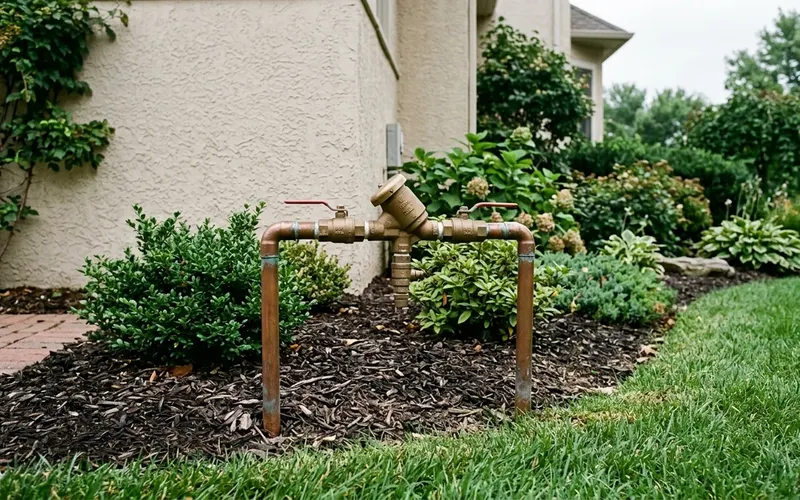
A backflow test checks that the device keeping sprinkler water out of your drinking water still works. Many utilities require one every year by a certified tester; a typical test costs about $70–$90, plus any local filing fee.
September 10, 2026