Drip Irrigation vs. Sprinklers
Use drip irrigation for beds, shrubs, trees and gardens, and sprinklers for lawns. Drip is over 90% efficient versus 50–70% for sprinklers, and EPA says it uses 20–50% less water. Many yards use both, on separate zones.
By LandscapeLookup Editors6 min read
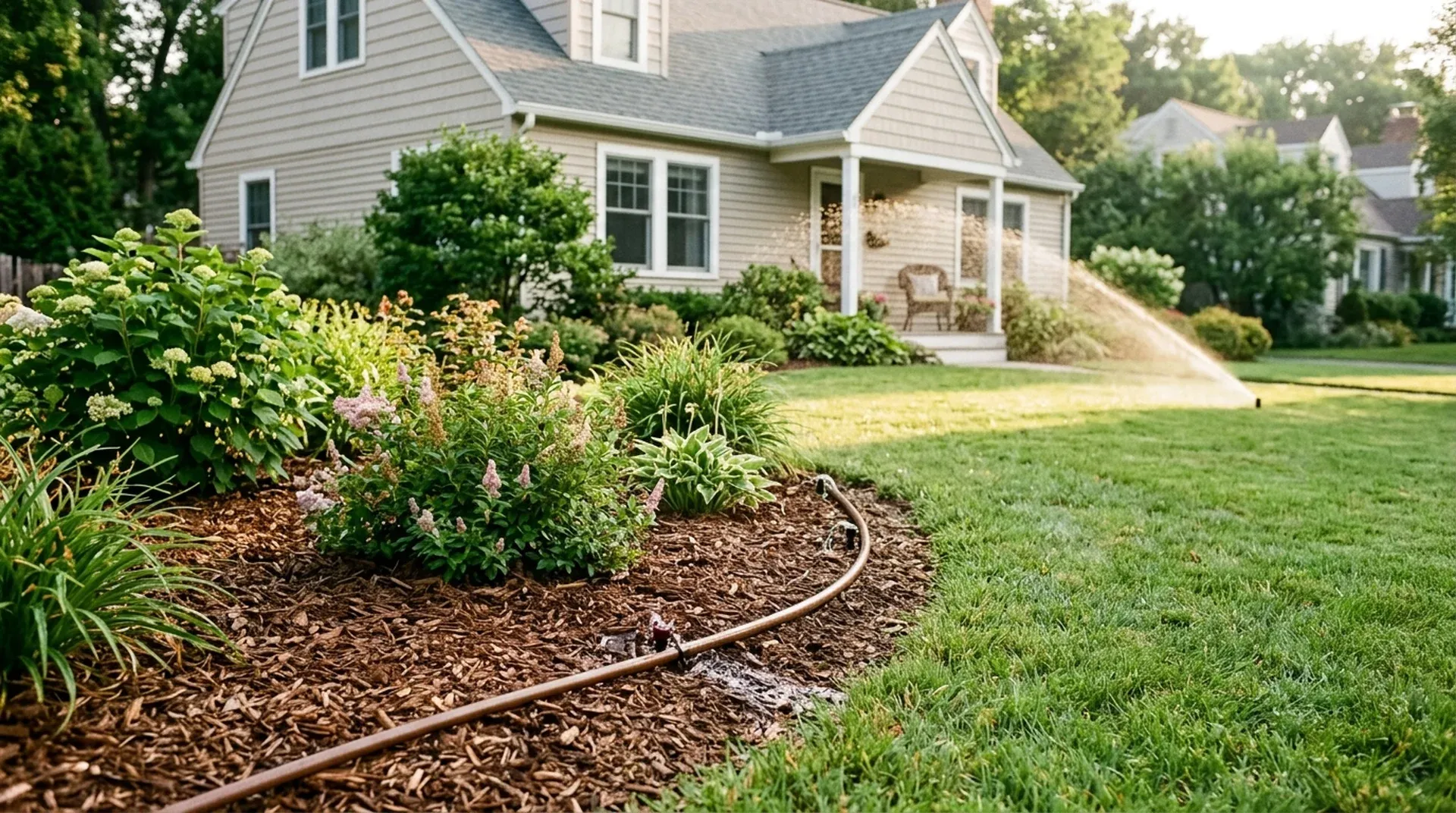
Drip irrigation is best for beds, shrubs, trees and gardens, while sprinklers are the practical choice for lawns, so many yards use both, on separate zones. Colorado State University Extension rates drip at more than 90% efficient, versus 50–70% for sprinklers. EPA WaterSense says drip and other microirrigation use 20–50% less water than conventional sprinklers.
How each system works
Drip irrigation delivers water slowly through tubing and small emitters at the base of each plant. EPA's WaterSense microirrigation page says this puts water right in the root zone, slowly enough to limit runoff and evaporation. CSU Extension lists the basics:
- Common emitters put out ½, 1, 2 or 4 gallons per hour.
- The system runs at a low 20–30 psi.
CSU describes four main types of drip devices:
- Emitters placed at each plant. Pressure-compensating emitters give the same flow across a wide pressure range.
- Emitter tubing (drip line) with emitters built in, which waters evenly along its whole length.
- Bubblers, which put out higher flows in a circular pattern.
- Microsprays, which spray just above the ground. CSU says to put them on a separate zone from other drip parts.
Soaker hoses and laser tubing have holes but no emitters, so CSU notes their output varies along the line.
Sprinklers spray water over an area through pop-up spray heads, rotors or rotary nozzles. Landscape company BrightView says spray heads cover 5–15 feet and rotors 15–50 feet. That reach is why they suit open turf.
Some water is always lost to wind, evaporation and overspray onto pavement. CSU adds that sprinkler runoff can wear down pavement and overspray can stain and damage siding and wood fences.
Drip vs. sprinklers at a glance
|
|
Drip irrigation |
Sprinklers |
|---|---|---|
|
Best for |
Beds, shrubs, trees, gardens, containers, slopes |
Lawns and large open turf |
|
Efficiency |
Over 90% (CSU); 90–95% (WSU) |
50–70% (CSU); about 70% (WSU) |
|
Water use |
20–50% less than sprinklers (EPA) |
Baseline |
|
Typical install cost |
$200–$850 for most home drip systems |
About $1,600–$3,600 for a whole in-ground system |
|
How it's priced |
$0.50–$3 per sq ft (above-ground drip) |
Mostly by zone, about $500–$1,000 each; HomeAdvisor's lawn-size figures work out to about $0.16–$0.31 per sq ft |
|
Main upkeep |
Cleaning filters, flushing lines, checking for clogged emitters |
Adjusting and replacing heads, fixing leaks |
|
Weeds and disease |
Fewer weeds; leaves stay dry |
Wets the whole area, including foliage |
|
Drawbacks |
Hidden leaks, clogging |
Overspray, runoff on clay or slopes, wind loss |
Cost sources: HomeAdvisor's drip and sprinkler cost guides. Drip totals usually cover beds and gardens, while sprinkler totals cover a whole lawn, so compare per square foot or per zone, not totals. Prices vary by region.
Where drip irrigation makes sense
Drip shines anywhere plants are spaced out and you'd otherwise be watering bare mulch. Washington State University Extension notes that because only a small area gets wet, fewer weed seeds germinate, and leaves stay dry, which can reduce disease. It also works on any soil type or slope, where sprinklers tend to run off.
Good fits include:
- Shrub and perennial beds
- Vegetable gardens and raised beds
- Trees, especially newly planted ones
- Containers and narrow strips along walks or driveways
- Drought-tolerant plantings and xeriscaping
CSU gives rough weekly targets:
|
Plant |
Water per week |
|---|---|
|
Xeric (low-water) perennials |
About 1 gallon to start; water less often once established |
|
Moderate-water perennials and annuals |
About 2 gallons |
|
Shrub about the size of a 5-gallon nursery plant |
4–6 gallons per shrub |
|
Large shrub |
10–12 gallons per shrub |
|
Established tree |
Up to 10 gallons per inch of trunk diameter |
CSU says most systems are designed for about an hour of run time a week once plants are established. After planting, sandy soils may need watering twice a week. CSU also warns against running drip overnight just because it applies water slowly.
The downsides of drip
CSU Extension lists these drawbacks:
- Hidden leaks. Water seeping at ground level is hard to spot. A flow indicator that raises a flag when water is running can help.
- Upkeep. It needs regular inspections to keep working well.
- Too few emitters. Emitters that are poorly placed, too far apart or too few can restrict root growth.
- Trip and cut hazards. Tubing can trip kids and dogs, and it's easy to cut while doing other yard work. Mulch and wire stakes reduce the problem.
Where sprinklers still win
For most lawns, sprinklers are the practical choice, since their heads are built to cover open turf. Subsurface drip for lawns does exist, but HomeAdvisor puts it at $2–$5 per square foot, versus $0.50–$3 for above-ground residential drip.
You can make sprinklers more efficient. BrightView notes that rotary nozzles apply about 0.5–0.6 inches of water per hour, versus 1.5–2 for standard spray heads. That gives water more time to soak in on clay or slopes.
Watering at the right time matters, too. Our guide on the best time to water your lawn covers schedules and run times.
What each one costs
Drip is cheaper overall because it covers smaller areas. But WSU points out that it costs more to set up per square foot of watered area than other methods. HomeAdvisor's numbers:
- Drip system: about $350 on average, with most homeowners paying $200–$850. DIY kits start around $20.
- Above-ground residential drip: $0.50–$3 per square foot.
- Converting an existing sprinkler zone to drip: $300–$1,200 per zone.
For sprinkler prices by zone count and yard size, see how much a sprinkler system costs.
Where water is scarce, the rules can favor drip. CSU notes that many water utilities exempt drip-irrigated landscapes from watering restrictions during drought.
Some utilities also pay you to switch. Draper, Utah, for example, lists a rebate of $1 per square foot for converting spray-watered planting beds to drip. Programs and rates change, so check your own utility's conservation page before you start.
Setting up and maintaining drip
Running it alongside sprinklers
If you add drip to an existing sprinkler system, put it on its own zone, as EPA's WaterSense tech sheet advises. Drip runs for much longer at much lower flow, so sharing a valve means one or the other gets the wrong amount.
At a minimum, EPA says a drip zone needs:
- A pressure regulator to bring household pressure down to what drip parts are built for
- A filter to keep emitters from clogging (CSU suggests 150–200 mesh for municipal water)
- Flush end assemblies to clear sediment from the lines
EPA also recommends pressure-compensating drip line on slopes or where pressure varies, so every emitter puts out the same amount. CSU adds that the system needs a backflow prevention device to protect your household drinking water, and to check local requirements.
Keeping it working
Clogging is drip's biggest weakness, and WSU calls filtration the most important part of the system. CSU's routine:
- Before the first spring watering, flush the mainline, clean the filter and check emitters.
- Clean emitters during the season.
- Flush the lines after any repair.
Leaks happen at ground level, so they're easy to miss. Walk your beds while the system runs.
In cold climates, CSU recommends draining the mainline and bringing the head assembly (backflow device, filter and pressure regulator) indoors for winter.
When to call a pro
A simple drip kit for a garden bed is a reasonable DIY project. Tying drip into an in-ground system, adding zones or redesigning a whole yard is a job for an irrigation pro. EPA recommends a certified irrigation professional, since an efficient design takes expertise. Any connection to your water supply also needs proper backflow protection, which is work for a licensed pro.
Before any trenching, contact 811, the free before-you-dig service, a few business days ahead. Check your water utility's watering restrictions and your HOA's rules too, since they can affect what you install and when you can run it.
When you hire:
- Get 2–3 written quotes that list zones, parts and whether old heads are capped or removed.
- Ask for photos of similar drip or sprinkler work.
- Check licensing and insurance where your state requires it.
- Get the scope and payment schedule in writing.
You can find irrigation pros near you on LandscapeLookup, free and without signing up. Pros are ranked by Google rating weighted by review count, plus how local they are and their main service, and you contact them directly.
Editorial team
The LandscapeLookup editorial team writes guides to help US homeowners plan yard projects and hire the right pro. Each guide is based on university extension services, government sources such as EPA WaterSense and USDA, manufacturer instructions and published cost guides, and links to them so you can check the details.
Keep reading
Sprinkler Repair: Common Problems and Costs
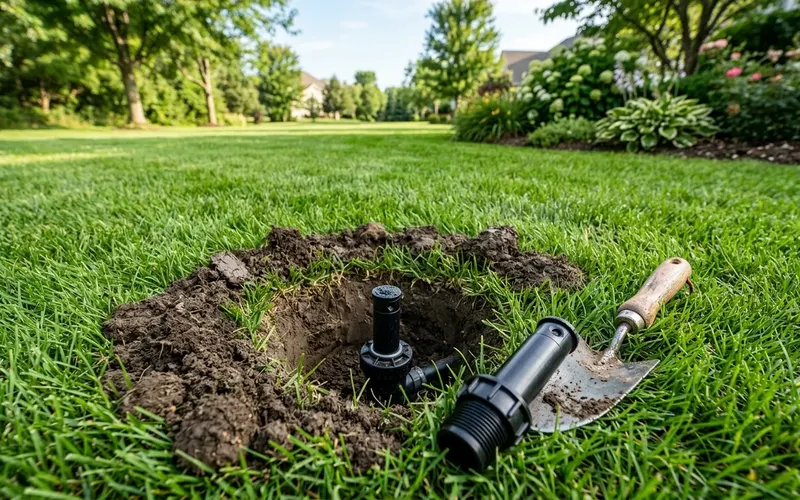
Most sprinkler repairs are small jobs: a broken head, a clogged nozzle, a leaking valve or a cut wire. HomeAdvisor puts a typical pro repair at $137 to $422, and many head and nozzle fixes are easy DIY.
October 4, 2026
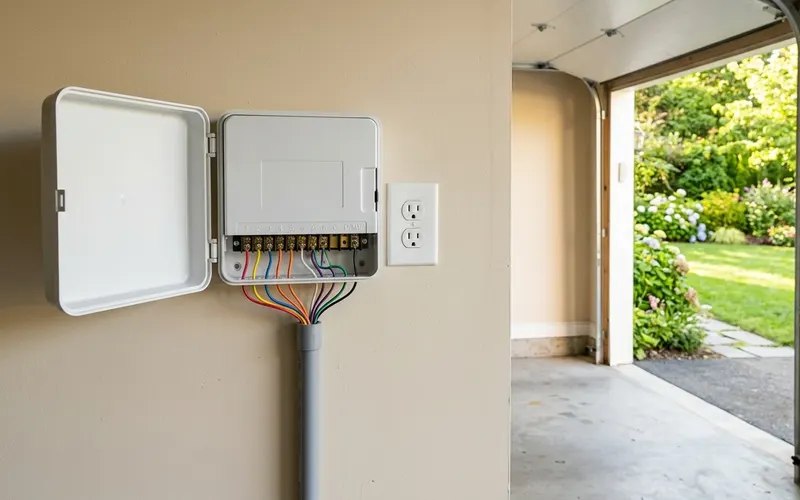
Smart Sprinkler Controllers: Are They Worth It?
A smart sprinkler controller adjusts watering to the weather or soil moisture. It usually pays off if your lawn gets more water than it needs, especially with a utility rebate, but saves little if you already water carefully.
September 17, 2026
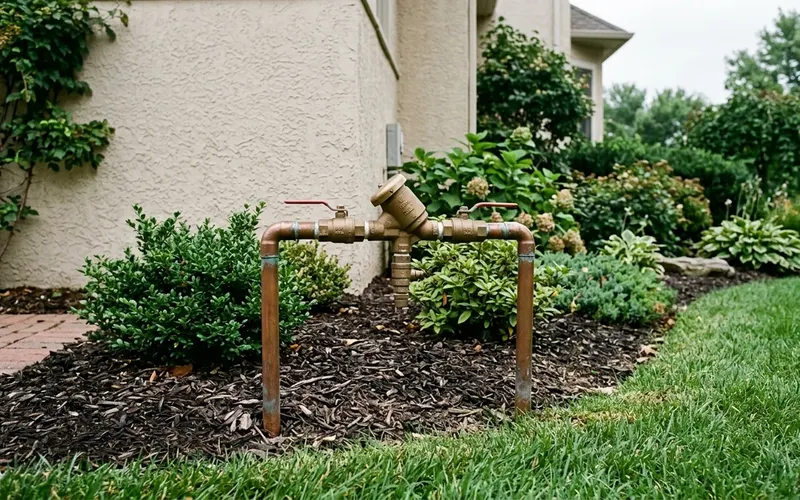
Backflow Testing: What Homeowners Need to Know
A backflow test checks that the device keeping sprinkler water out of your drinking water still works. Many utilities require one every year by a certified tester; a typical test costs about $70–$90, plus any local filing fee.
September 10, 2026