Stump Grinding Cost and What to Expect
Stump grinding usually costs $131–$438 per job, with national averages around $200–$272. Many pros charge $2–$5 per inch of stump diameter with a minimum of about $100, and extra stumps cost less each.
By LandscapeLookup Editors6 min read
Stump grinding usually costs $131 to $438 per job, with a national average of $272, according to LawnStarter. Fixr puts the average at $200 and most jobs at $150–$300. Many companies charge $2 to $5 per inch of stump diameter with a minimum of about $100, and each extra stump costs less than the first.
Grinding is the most common way to deal with a stump after a tree comes down. Here's how it's priced, what's included (and what usually isn't), and what to do with the hole afterward.
How stump grinding is priced
Most companies price by the inch or by the hour, and many add a minimum fee:
- Per inch of diameter. $2–$5 per inch (LawnStarter and Fixr). Iowa State Extension notes arborists measure the stump at its widest point. Fixr's example: an 18-inch stump comes to $36–$90, before any minimum.
- Minimum fee. About $100 at many companies (LawnStarter and Fixr). Fixr says the minimum covers travel and other costs.
- Hourly. $125–$200 per hour (LawnStarter) or $150–$200 (Fixr), mostly for long jobs, hard access or tough wood.
Some companies quote per stump instead. Fixr lists $80–$150 for the first stump and $40–$75 for each additional one. LawnStarter's figures fall in the same range: around $123 for the first and $37–$70 for each one after that.
These per-stump prices run lower than the per-job ranges at the top of this guide. When you compare quotes, ask whether a per-stump price includes the company's minimum fee and any trip charge.
Cost by stump size
|
Stump size |
LawnStarter (2026) |
Fixr (2025) |
|---|---|---|
|
Small |
$40–$75 (up to 10 in) |
$40–$75 (up to 12 in) |
|
Medium |
$75–$150 (10–30 in) |
$75–$150 |
|
Large |
$200–$417 (over 30 in) |
$150–$250 (over 48 in) |
Fixr doesn't give a size range for medium stumps, and the two guides draw the size lines in different places. Because many companies charge a minimum of about $100 (Fixr), a single small stump will often cost the minimum, not $40.
Cost by region
Labor costs and demand change the price from city to city. LawnStarter lists these ranges for grinding one medium stump:
|
City |
Cost for one medium stump |
|---|---|
|
New York, NY |
$135–$252 |
|
Seattle, WA |
$126–$227 |
|
Minneapolis, MN |
$119–$214 |
|
Baltimore, MD |
$113–$200 |
|
Houston, TX |
$110–$193 |
|
Atlanta, GA |
$109–$192 |
Of these six cities, New York and Seattle cost the most and Atlanta the least. Get local quotes to see where your area falls.
What raises or lowers the price
- Wood type. LawnStarter says hardwood stumps such as oak, maple and walnut add $50–$150 per stump.
- Age. LawnStarter says older, partly rotted stumps are easier and cheaper to grind than fresh, solid ones.
- Access. Stumps behind fences, on slopes or close to foundations take longer. LawnStarter notes complex or hard-to-reach jobs can add up to $50 more per hour.
- Depth. Illinois Extension notes that grinding can range from flush with the soil to over a foot deep, and the deeper you go, the more it usually costs.
- Cleanup. Removing the chips is often billed separately, at about $2–$3 per inch of diameter, according to both cost guides.
- Season. LawnStarter says scheduling in winter, when demand is lower, may save about 20%.
Stump grinding vs. full stump removal
Grinding chews the stump into chips below ground level and leaves the roots to rot in place. Iowa State University Extension says grinders typically go 8 to 12 inches down, including large roots near the surface. Full removal digs out the stump along with its roots, which costs more.
|
Option |
Typical cost |
What you get |
|---|---|---|
|
Stump grinding |
$131–$438 per job (LawnStarter); $150–$300 (Fixr) |
Stump ground below the surface; most roots left to decay |
|
Full stump removal |
$175–$516 (LawnStarter); $200–$700 (Fixr) |
Stump and roots dug out |
|
Tree and stump together |
About $400–$1,100 for a medium tree (Fixr) |
Removal and stump work in one visit |
If you haven't had the tree taken down yet, ask for the stump to be priced into the removal quote and compare that with booking it separately. Our guide to tree removal costs covers the rest of that bill.
What happens after grinding
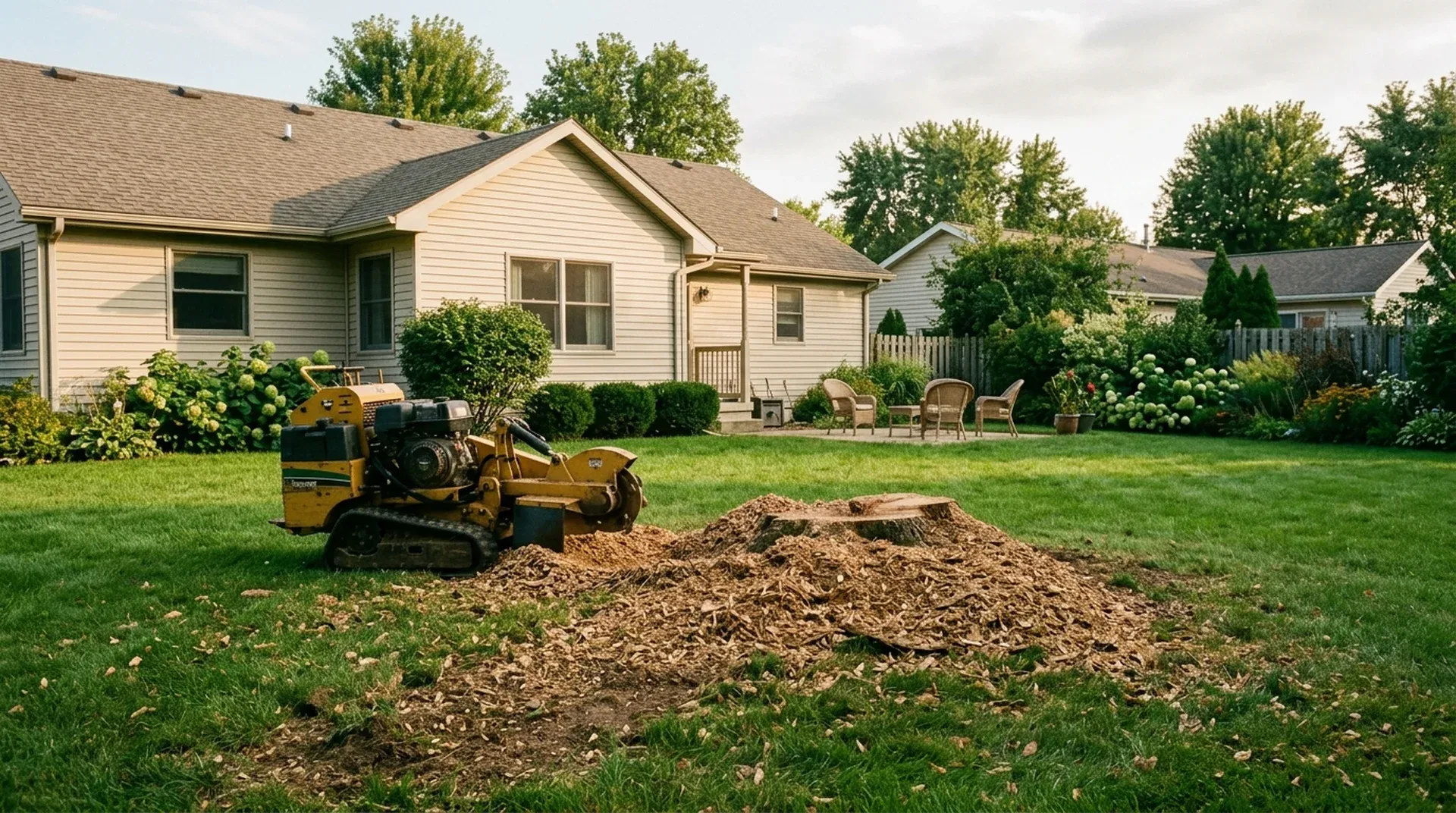
When the grinder leaves, you'll have a pile of wood shavings in and around the hole. Iowa State recommends removing those shavings before you add topsoil and replant, since they change the soil structure and nutrients. Hauling them off and refilling the hole are usually extra.
Purdue Extension explains why: stump grindings are high in carbon and low in nitrogen, so they tie up the nitrogen new grass needs. The ground will also settle as the buried roots decay. Purdue's advice:
- Fill the hole with soil and mound a little extra to allow for settling.
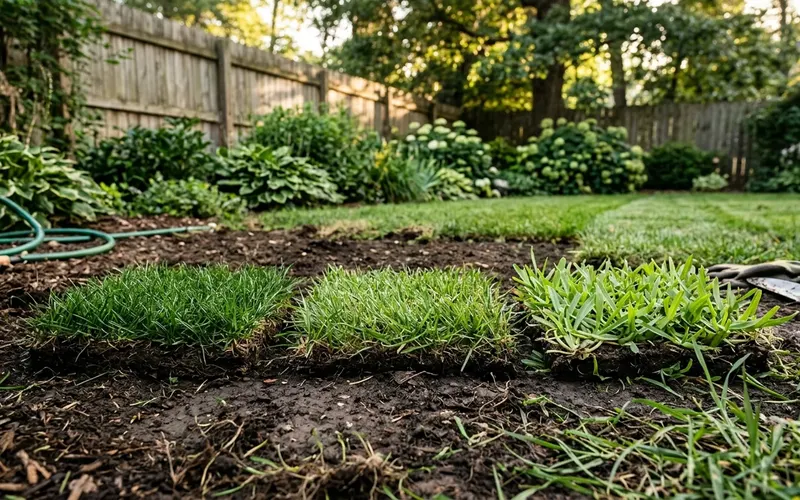
- Plant sod, or seed if you prefer, to cover the bare spot.
- Add a slow-release lawn fertilizer to make up for the nitrogen the wood ties up.
Watch for sprouts
If the tree was alive when it was cut, the stump or roots may send up new shoots. Illinois Extension suggests treating the outer sapwood of a freshly cut stump with a systemic herbicide containing glyphosate or triclopyr. Follow the label exactly, and cut any later sprouts off at the base.
DIY grinding and cheaper alternatives
You can rent a stump grinder. LawnStarter lists $178–$364 per day (about $260 on average), and Fixr lists $100–$200 for a half day or $200–$350 for a full day, plus possible delivery fees. LawnStarter says a DIY job can take 1 to 3 days. Follow the rental shop's safety instructions, wear eye and hearing protection, and keep kids and pets away from the work area.
If you're in no hurry, you have slower options:
- Let it rot. Iowa State says natural decay can take 10+ years, depending on soil moisture, fungi and species.
- Speed up decay. Iowa State suggests cutting the stump as low as possible and drilling holes about 1 inch wide, no more than 12 inches apart and at least 10 inches deep. Add slow-release fertilizer and cover with soil. After 1 to 3 years, the stump can usually be broken up with a spade.
- Chemical stump removers. Illinois Extension says they won't liquefy a stump overnight and estimates they speed decomposition by only about 25%.
- Dig it out. Fine for small stumps. Illinois Extension's educator wouldn't go much over a 6-inch trunk diameter by hand, and Iowa State says digging out a larger tree's stump isn't practical.
Call 811 before anyone grinds
Grinding goes below ground, so treat it like any other digging project. 811 is the free national call-before-you-dig service, and it says every digging project, regardless of depth, requires contacting 811 a few business days in advance. The utility locators will mark buried lines with paint or flags.
Both cost guides recommend calling 811 before stump work. Ask your contractor whether they place the request or expect you to.
When to call a pro
For most homeowners, hiring out stump grinding costs about the same as a day's rental and takes a fraction of the time. Before you book:
- Get 2 to 3 written quotes that state the price per stump or per inch, the grinding depth, and whether chip removal and backfill are included.
- Confirm who calls 811 and that lines are marked before work starts.
- Ask for proof of insurance and check licensing where your state or city requires it.
- Ask for photos of similar jobs and get the scope and payment schedule in writing.
Not sure whether your other trees are healthy? Our guide on how to tell if a tree is dying covers the warning signs, and if they just need a cleanup, see what tree trimming costs. To compare local companies, find tree care pros near you. LandscapeLookup is free to use with no sign-up, and you contact pros directly.
Editorial team
The LandscapeLookup editorial team writes guides to help US homeowners plan yard projects and hire the right pro. Each guide is based on university extension services, government sources such as EPA WaterSense and USDA, manufacturer instructions and published cost guides, and links to them so you can check the details.
Keep reading
How to Plant a Tree (and When)
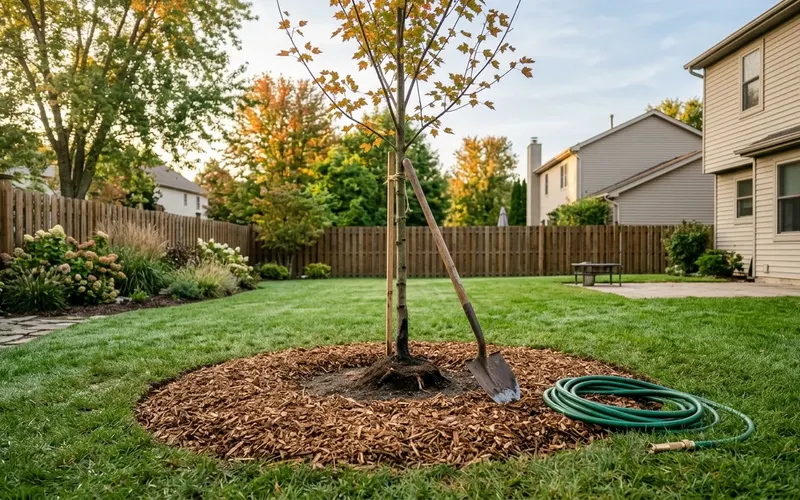
Plant in fall after leaf drop or in early spring before bud break. Dig a hole 2 to 3 times wider than the root ball but no deeper, set the root flare at or just above grade, backfill with the soil you dug out, water well and mulch 2 to 3 inches deep without touching the trunk.
October 30, 2026
What a Certified Arborist Does and When to Hire One
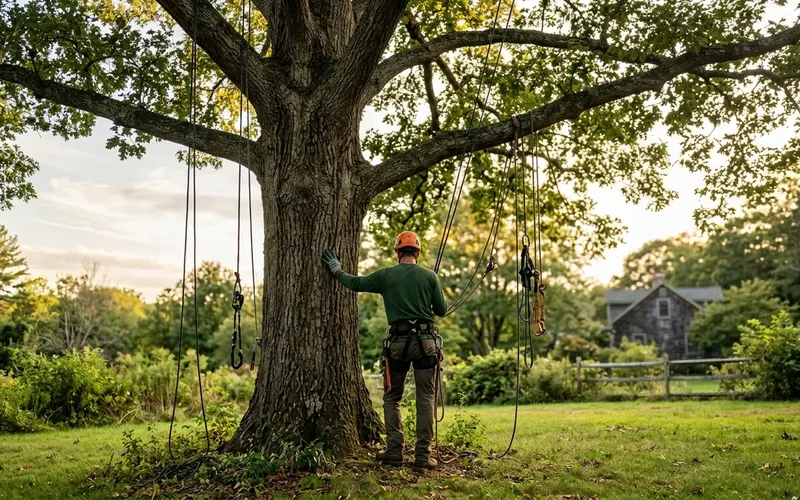
An ISA Certified Arborist has at least 3 years of tree care experience, passed a 200-question exam and keeps up with continuing education. Hire one for large-tree pruning, risk checks, removal decisions and sick trees.
October 26, 2026
When to Prune Trees
Prune most trees in late winter to early spring, while they're dormant and before new growth starts. Remove dead or broken branches any time. Prune spring-flowering trees right after bloom, and avoid pruning oaks during your area's oak wilt season.
September 9, 2026