How Much Does Tree Trimming Cost?
Professional tree trimming averages about $430–$640 per tree. Small trees can cost under $100, while trees over 60 feet can reach about $1,800. Hedge trimming usually runs $2.50–$6 per linear foot.
By LandscapeLookup Editors5 min read
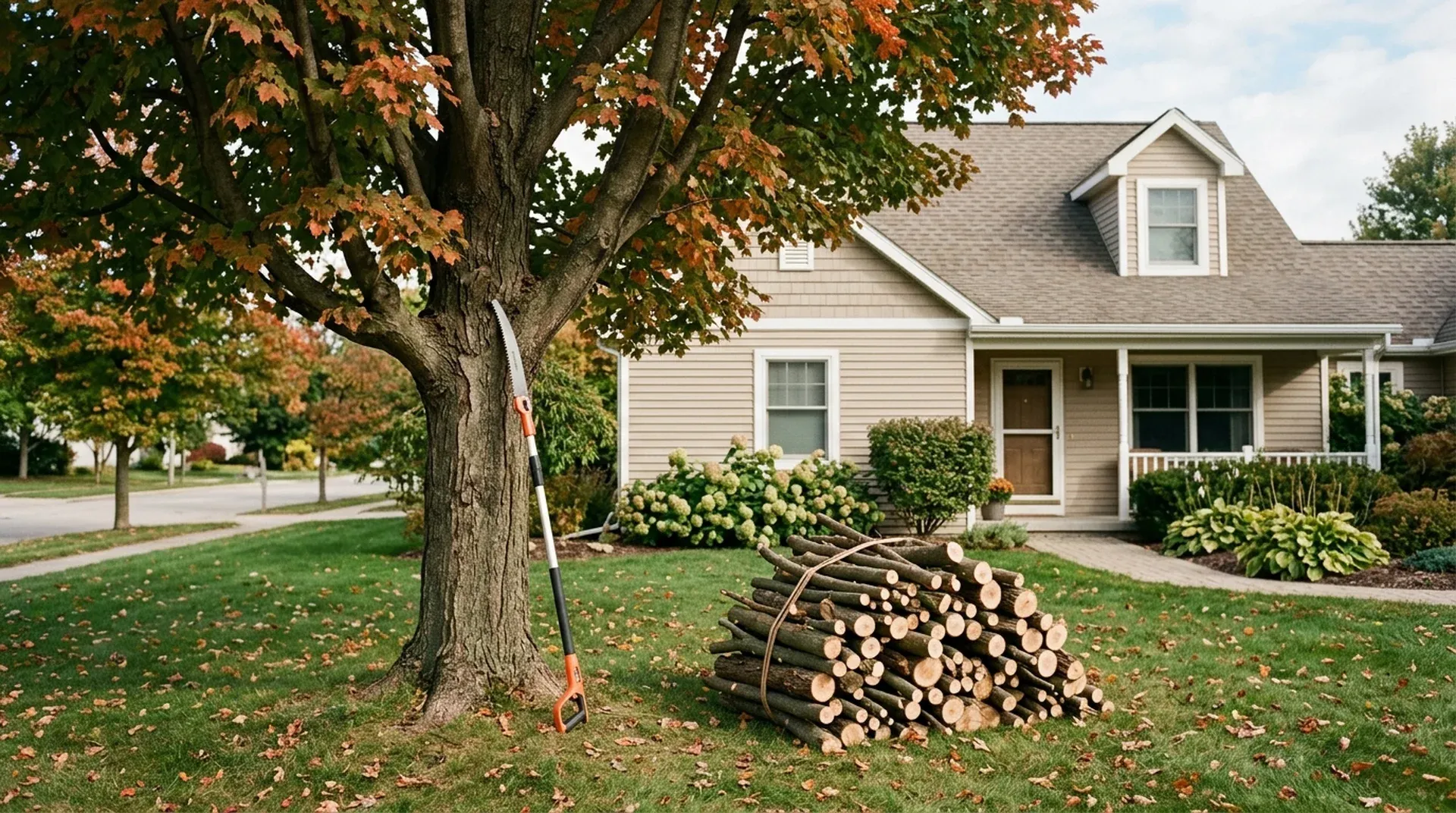
Professional tree trimming averages about $430 to $640 per tree, according to LawnStarter, and Fixr puts the national average near $450. A small, easy-to-reach tree can cost under $100, while a tree over 60 feet can run close to $1,800. Hedges are priced differently, usually by the linear foot.
Height, species, access and how much cleanup you want are what move the number. Below are typical ranges, what changes them, and how to make sure you're paying for good pruning rather than damage.
Tree trimming cost by height
Taller trees mean more climbing or a bucket truck, more rigging and more debris. Here's how two cost guides break it down:
|
Tree height |
LawnStarter (2026) |
Fixr (2025) |
|---|---|---|
|
Under 30 ft |
$85–$415 |
$75–$300 (10–20 ft); $150–$450 (20–30 ft) |
|
30–60 ft |
$215–$790 |
$150–$800 (30–50 ft) |
|
Over 60 ft |
$475–$1,835 |
$300–$1,800 (50–100 ft) |
Prices also vary by region. LawnStarter's city examples range from about $344–$512 per tree in Dothan, Alabama, and $373–$555 in Houston to $482–$715 in Chicago and $588–$870 in New York City. Expect to pay more in high-cost metro areas.
Tree trimming cost by tree type
Species matters because typical mature size varies so much. Both guides price small ornamental trees well below big shade trees and conifers.
|
Tree type |
LawnStarter |
Fixr |
|---|---|---|
|
Crape myrtle |
$78–$350 |
$75–$400 |
|
Palm |
$100–$1,330 |
$100–$1,500 |
|
Cypress |
$150–$1,200 |
$150–$1,200 |
|
Oak |
$230–$1,480 |
$175–$1,500 |
|
Pine |
$210–$1,630 |
$200–$1,800 |
The wide spread inside each row comes down to size. A 15-foot crape myrtle and a 25-foot one are very different jobs. If you're thinking of cutting a crape myrtle way back to keep it small, read our guide on when to prune trees first. Clemson Extension says topping crape myrtles is very common, and gardeners have nicknamed it "crape murder."
Hourly rates and other things that change the price
Some companies quote per tree and others bill by the hour. Fixr lists these rates and extras:
- Labor: $50–$80 per hour per worker. Larger jobs often need 2 or more workers.
- Arborist rate: about $85–$120 per hour.
- Time on site: 1–2 hours for a small tree, 3–6 hours for trees over 50 feet.
- Emergency service: adds about $50–$200 or more, for example after a storm.
- Debris: wood chipping at $50–$100, log splitting at $35–$100 per cord of hardwood.
- Difficulty: low-difficulty jobs run $75–$300, while high-difficulty jobs (tall, crowded or hard-to-reach trees) run $600–$1,800.
Access matters too. A tree in an open front yard costs less than the same tree in a fenced backyard leaning over the roof. Some cities require permits for trimming larger trees. Fixr says your pro can tell you if one is needed, and the permit fee is usually included in the quote.
Hedge and shrub trimming costs
Hedges are usually priced by length and height. LawnStarter's hedge guide puts the national average at $429, with most jobs between $200 and $600.
|
Hedge height |
Price per linear foot |
50-ft hedge |
100-ft hedge |
|---|---|---|---|
|
6 ft or shorter |
$2.50–$4 |
$125–$200 |
$250–$400 |
|
Taller than 6 ft |
$4–$6 |
$200–$300 |
$400–$600 |
The 50-ft and 100-ft columns simply apply those per-foot rates, so a real quote may differ.
For a few individual shrubs, Fixr lists $40–$180 overall, about $40–$80 for shrubs under 5 feet. If you're already getting trees trimmed, ask whether adding the hedges to the same visit changes the price.
What you're paying for: good pruning vs. topping
The cheapest bid isn't a bargain if the crew damages the tree. According to the International Society of Arboriculture (ISA) brochure on pruning mature trees, proper work falls into a few named types:
- Cleaning: removing dead, dying, diseased and weakly attached branches.
- Raising: removing lower limbs to clear the house, driveway, sidewalk or view.
- Reduction: shortening the tree by cutting back to side branches at least one-third the diameter of the cut stem.
- Reducing density (formerly called thinning): opening up the crown to let light and wind through.
The ISA says generally no more than 25% of the crown should come off at once, and less for mature trees. Cuts should be just outside the branch collar, not flush with the trunk, and wound paint isn't needed since research shows it doesn't reduce decay.
Topping is the red flag. The ISA's Why Topping Hurts Trees explains that topping can remove 50–100% of a tree's leaf-bearing crown. The tree responds with fast, weakly attached shoots that can grow as much as 20 feet in a year in some species and break easily in wind or ice.
The ISA says a topped tree that survives will likely need corrective pruning within a few years, and one that dies will have to be removed. If a company offers to "top" or "hat-rack" your tree, get another quote.
Trees near power lines
If branches are near overhead lines, don't trim them yourself and don't let a general crew do it. University of Minnesota Extension advises against pruning near power lines and says to contact your utility instead. OSHA requires regular tree crews to stay at least 10 feet from overhead lines and notes that electrical contact is one of the leading causes of death for tree care workers.
The upside: Fixr and LawnStarter both say many utilities will trim trees near their lines at no charge. Call yours first and ask which lines it maintains. For anything the utility won't handle, hire a licensed contractor qualified for line-clearance work.
When to call a pro
You can handle small branches on young trees from the ground with hand pruners or a pruning saw. The ISA recommends leaving anything that involves working above the ground or using power equipment to a professional arborist. Before you hire:
- Get 2 to 3 written quotes that list which trees, what type of pruning, how much will be removed and whether cleanup and hauling are included.
- Look for an ISA Certified Arborist and confirm the credential with the "Verify a Credential" tool on TreesAreGood.org. The ISA's Why Hire an Arborist guide also recommends checking local permits and licenses.
- Ask for proof of insurance and call the insurer to confirm it.
- Ask for photos or references from similar jobs.
- Get the scope and payment schedule in writing before work starts.
If a tree looks like it may be beyond saving, compare with what tree removal costs and what stump grinding costs, or check the signs a tree is dying. When you're ready, find tree care pros near you. LandscapeLookup is free with no sign-up, and you contact pros directly.
Editorial team
The LandscapeLookup editorial team writes guides to help US homeowners plan yard projects and hire the right pro. Each guide is based on university extension services, government sources such as EPA WaterSense and USDA, manufacturer instructions and published cost guides, and links to them so you can check the details.
Keep reading
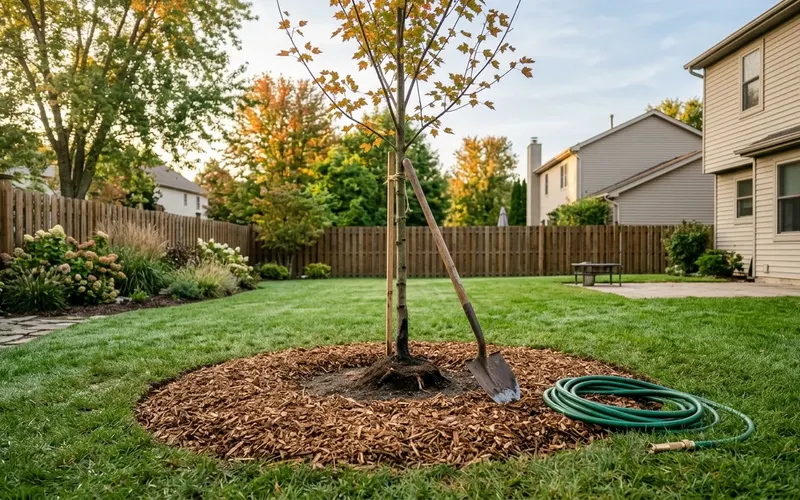
How to Plant a Tree (and When)
Plant in fall after leaf drop or in early spring before bud break. Dig a hole 2 to 3 times wider than the root ball but no deeper, set the root flare at or just above grade, backfill with the soil you dug out, water well and mulch 2 to 3 inches deep without touching the trunk.
October 30, 2026
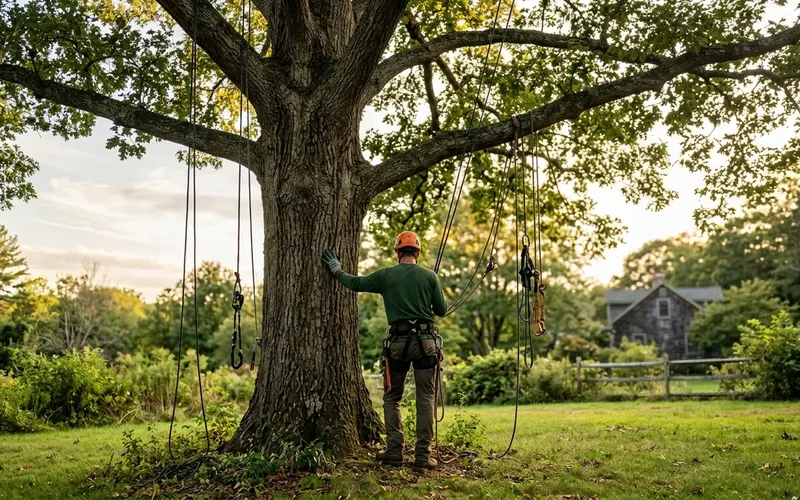
What a Certified Arborist Does and When to Hire One
An ISA Certified Arborist has at least 3 years of tree care experience, passed a 200-question exam and keeps up with continuing education. Hire one for large-tree pruning, risk checks, removal decisions and sick trees.
October 26, 2026
When to Prune Trees
Prune most trees in late winter to early spring, while they're dormant and before new growth starts. Remove dead or broken branches any time. Prune spring-flowering trees right after bloom, and avoid pruning oaks during your area's oak wilt season.
September 9, 2026