Xeriscaping: How to Plan a Drought-Tolerant Yard
Xeriscaping is landscaping built to need little water beyond rainfall, using seven principles: planning, soil prep, practical turf, adapted plants, efficient irrigation, mulch and maintenance. It doesn't have to mean gravel and cactus.
By LandscapeLookup Editors6 min read
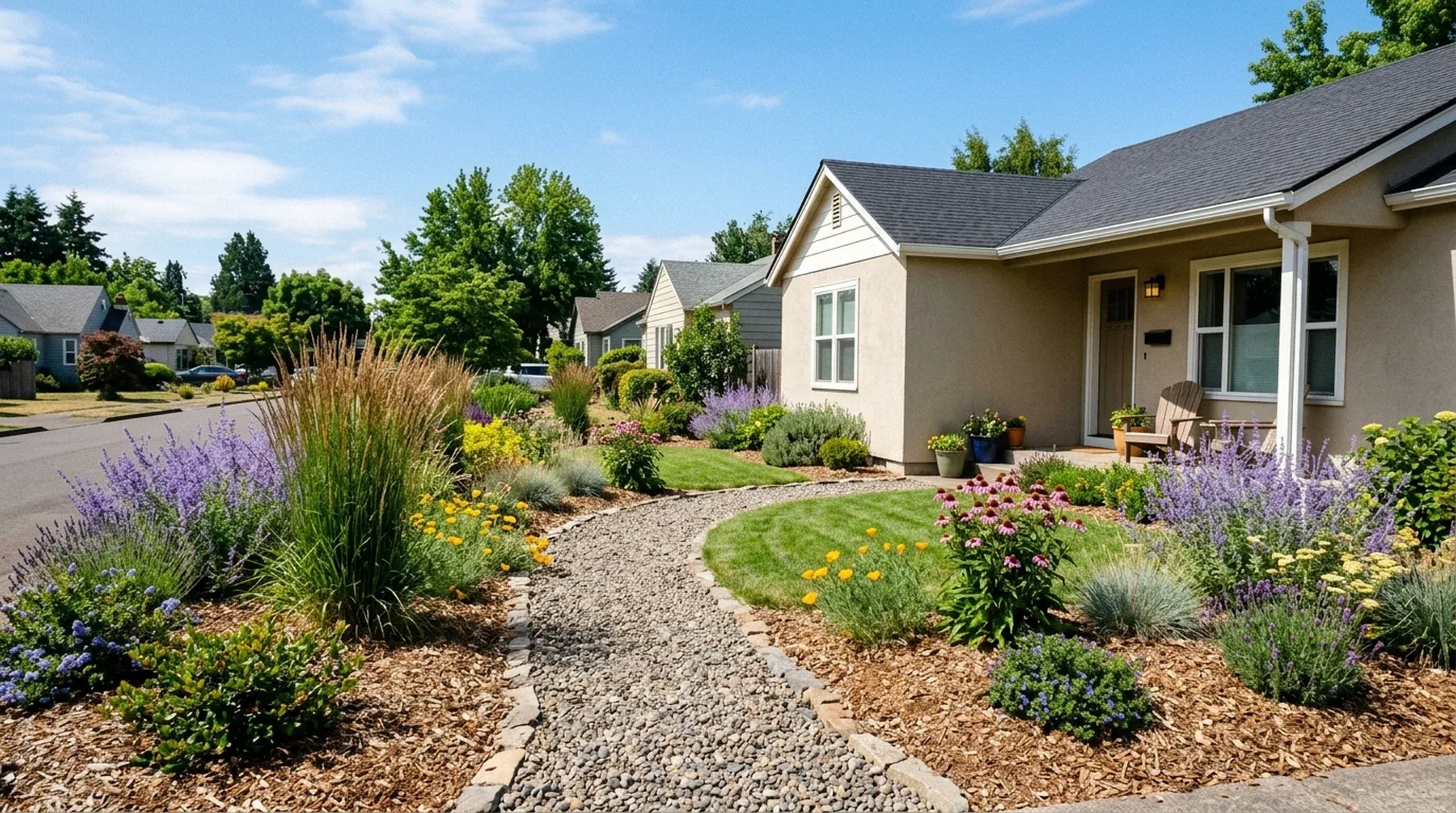
Xeriscaping is landscaping designed to get by on little or no water beyond normal rainfall. It follows seven principles, from planning and soil prep to mulch and upkeep. It doesn't have to mean gravel and cactus. Texas A&M Extension notes a xeriscape can be a "cool, green" landscape that simply uses water well.
What xeriscaping is (and isn't)
Denver Water coined the word in 1981. It joins "landscape" with the Greek xeros, meaning dry. The idea started in Colorado. Illinois Extension notes it has spread well beyond the West as more regions face summer droughts.
The reason is simple: yards drink a lot. EPA WaterSense says outdoor use averages more than 30% of household water. In arid regions it can reach 60%. EPA also says up to half of outdoor water is lost to wind, evaporation and runoff from inefficient irrigation.
You don't have to rip out every blade of grass. An EPA WaterSense design sheet describes a small "oasis" of lawn or thirstier plants near the house. Xeric plantings go toward the edges of the property. An oasis on the north or east side of the house gets more shade, so it needs less water.
The seven principles
Texas A&M lists the seven principles below.
|
Principle |
What it means in your yard |
|---|---|
|
Planning and design |
Map sun, shade, slopes and how you use each area before buying plants |
|
Soil analysis and preparation |
Test the soil; add organic matter to beds so they soak up and hold water |
|
Practical turf areas |
Keep lawn where you actually use it, in shapes that are easy to water |
|
Appropriate plant selection |
Choose native and adapted plants for your soil and rainfall |
|
Efficient irrigation |
Water by zone, use drip in beds, and water only when plants need it |
|
Use of mulches |
Cover bare soil to cut evaporation and weeds |
|
Appropriate maintenance |
Mow high, fertilize lightly, weed and check the irrigation system |
Start by zoning your yard by water use
Illinois Extension suggests dividing your yard into three zones:
- High water use: lawn and the most visible spots, such as the entry or patio. These get regular watering.
- Moderate: plants you water only when they show stress, such as wilting.
- Low: plants that live on rainfall alone, even in drought.
EPA calls this grouping hydrozoning. It lets you water each zone on its own schedule, instead of watering everything for the thirstiest plant.
Prepare the soil and choose the right plants
Soil
EPA recommends a soil test before planting. Your county extension office or state university can run one. For shrub and flower beds, Texas A&M suggests tilling in 4 to 6 inches of organic matter, such as compost, shredded pine bark or leaves. It says this isn't needed for trees and isn't worth the cost for large lawns.
Plants
Native and well-adapted plants are the core of a xeriscape. EPA says that once they're established, they need little water beyond rainfall and rarely need fertilizer. The right list depends on where you live. A few examples from regional extension sources:
|
Region |
Example plants |
Source |
|---|---|---|
|
Colorado and the Mountain West |
Penstemons, blanket flower, purple coneflower, black-eyed Susan, lavender |
|
|
Desert Southwest |
Desert marigold, sulphur flower, chamisa (rubber rabbitbrush), ocotillo |
|
|
Southeast (Florida) |
Beautyberry, coontie, firebush, muhly grass, yaupon holly |
For other areas, the Lady Bird Johnson Wildflower Center database lets you search natives by state, sun and soil moisture.
Expect to water new plants regularly at first. Texas A&M says new trees and shrubs can take two growing seasons to root in. After that, water less often to push roots deeper. UF/IFAS adds that drought-tolerant plants still need water now and then.
Turf
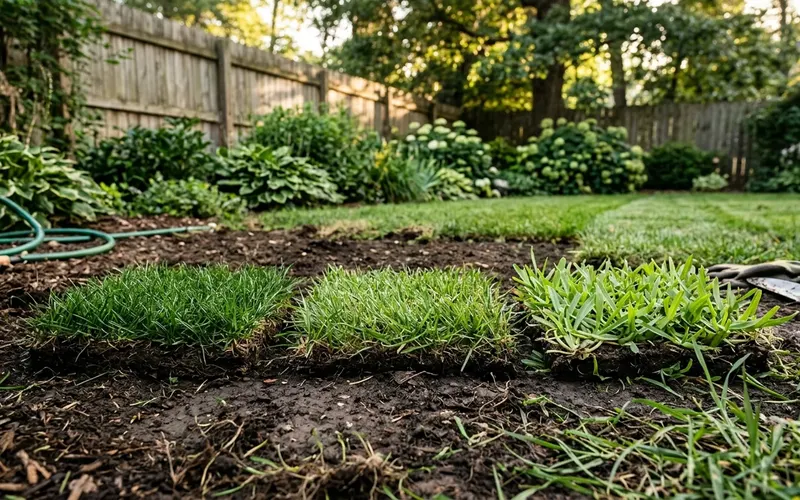
Where you keep lawn, pick a grass that suits your climate. In the dry West and Plains, Colorado State's PlantTalk recommends water-saving grasses such as buffalograss and blue grama. Texas A&M advises keeping turf in blocky, squarish areas, since narrow strips are hard to water without waste.
For more ways to cut lawn and upkeep, see our low-maintenance front yard ideas.
Mulch and irrigate efficiently
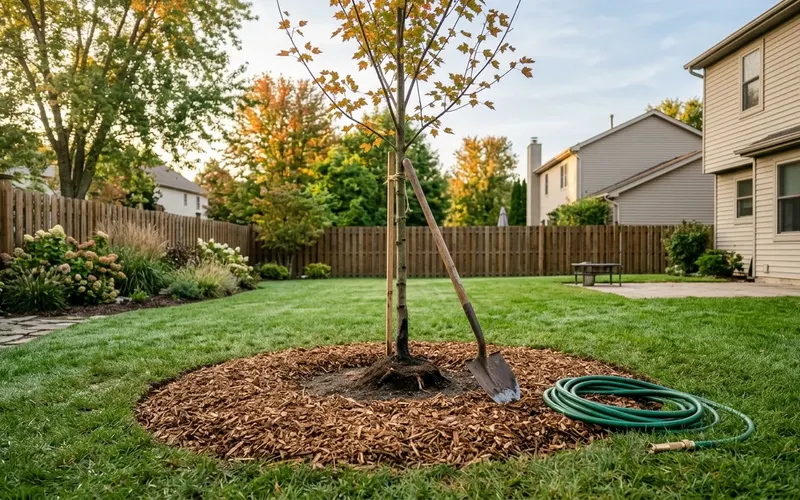
Mulch. EPA recommends 3 to 4 inches around shrubs and garden plants, while UF/IFAS recommends about 3 inches. Keep mulch about 1 foot back from large trees and a few inches from shrubs.
EPA cautions against rock mulch in sunny spots or around plants that aren't desert-adapted. Rock radiates heat and can scorch them. See how much mulch you need to work out quantities.
Irrigation. Texas A&M notes most lawns get twice the water they need. It calls drip more efficient than sprinklers, since drip delivers water slowly to the soil at each plant, with little lost to evaporation or runoff. Use sprinklers for lawn zones and drip for beds; our guide to drip irrigation vs. sprinklers compares the two.
EPA says a WaterSense labeled controller can cut an average home's irrigation water use by up to 30%. For lawn zones, see the best time to water your lawn.
Costs, rebates and local rules
Lawn Love's landscaping cost guide gives two separate estimates:
- Per square foot: an average of $5 to $20.
- For a 1,200-square-foot yard: a typical total of $11,600 to $20,000.
The two don't line up exactly: $5 to $20 per square foot would be $6,000 to $24,000 for 1,200 square feet. Use them as rough guides and get local quotes. Texas A&M notes you can install a design in stages over several years to spread out the cost. For other project prices, see how much landscaping costs.
The payoff is lower water use and less upkeep. Texas A&M says a well-designed xeriscape can cut maintenance by as much as 50%. That comes from less mowing, mulching once a year and more efficient watering.
Check for rebates before you remove grass
Some water utilities in dry areas pay homeowners to replace lawn. The Southern Nevada Water Authority, for example, pays single-family homes $5 per square foot for the first 10,000 square feet converted (as of October 2026). Read the fine print first:
- You must have a site visit before removing any grass.
- The new landscape needs drip irrigation.
- Plants must cover at least half the area once they're mature.
Watering restrictions, HOAs and permits
Many cities limit which days or hours you can water. Those rules still apply while new plants get established. If you have an HOA, get front-yard changes approved first, since rules on turf, gravel and plant types vary. Irrigation changes may also need a permit or a backflow device where local code requires one.
When to call a pro
A landscape designer can help with zoning and plant choices. A landscaper or irrigation contractor can handle turf removal, soil prep and converting spray zones to drip. EPA suggests hiring an irrigation professional certified through a WaterSense labeled program. Backflow work and any new electrical circuits should go to a licensed pro. When comparing pros:
- Get 2 or 3 written quotes for the same plan, with plant sizes and irrigation changes itemized.
- Ask for photos of similar work, ideally water-wise yards in your climate.
- Check licensing and insurance where your state requires it, especially for irrigation and backflow work.
- Get the scope and payment schedule in writing, and confirm who handles any rebate paperwork.
- Contact 811 before digging for new beds or irrigation lines. It's the free national before-you-dig service; request marking a few business days ahead.
Compare landscapers near you on LandscapeLookup, or browse irrigation pros if you're mainly converting your sprinklers. It's free, with no sign-up, and you contact pros directly.
Editorial team
The LandscapeLookup editorial team writes guides to help US homeowners plan yard projects and hire the right pro. Each guide is based on university extension services, government sources such as EPA WaterSense and USDA, manufacturer instructions and published cost guides, and links to them so you can check the details.
Keep reading
How Much Does Artificial Turf Cost?
Professional artificial turf installation runs about $5 to $20 per sq ft, with recent cost guide averages running about $13 to $20. A typical 500 sq ft yard costs roughly $2,700 to $10,000, depending on turf quality, prep work and where you live.
October 15, 2026
How to Build a Rain Garden
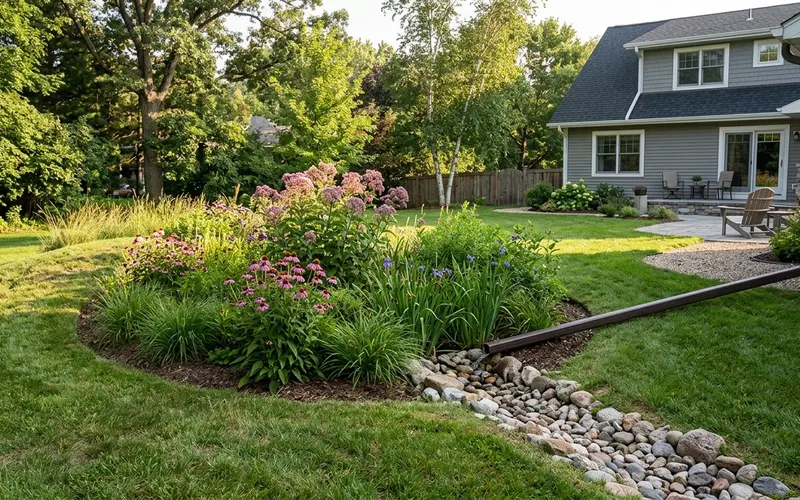
Pick a spot at least 10 feet from the house where runoff flows but water doesn't already pond, dig a level basin 3 to 8 inches deep (usually 100 to 300 sq ft), berm the low side and plant natives that handle wet and dry.
October 13, 2026
Landscape Rock: Types, Costs and Where to Use It
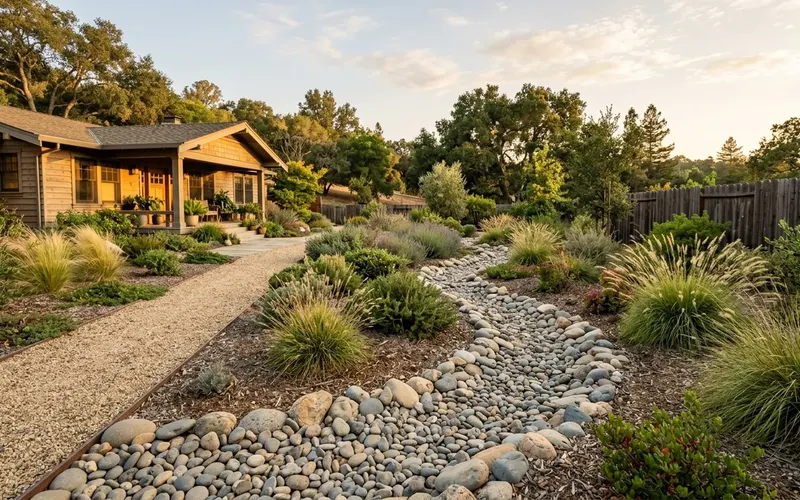
Common landscape rock like pea gravel, crushed stone, river rock and lava rock runs about $10 to $220 per ton in 2026 cost guides. It works best on paths, dry creek beds and in desert or wildfire-prone yards, and less well in most planting beds.
October 11, 2026