The Best Time to Water Your Lawn (and How Much)
Water your lawn in the early morning, roughly 5–9 a.m., when less is lost to evaporation and grass dries quickly. Most lawns need about 1 inch of water a week, rain included, applied in 1–2 deep waterings rather than daily sprinkles.
By LandscapeLookup Editors6 min read
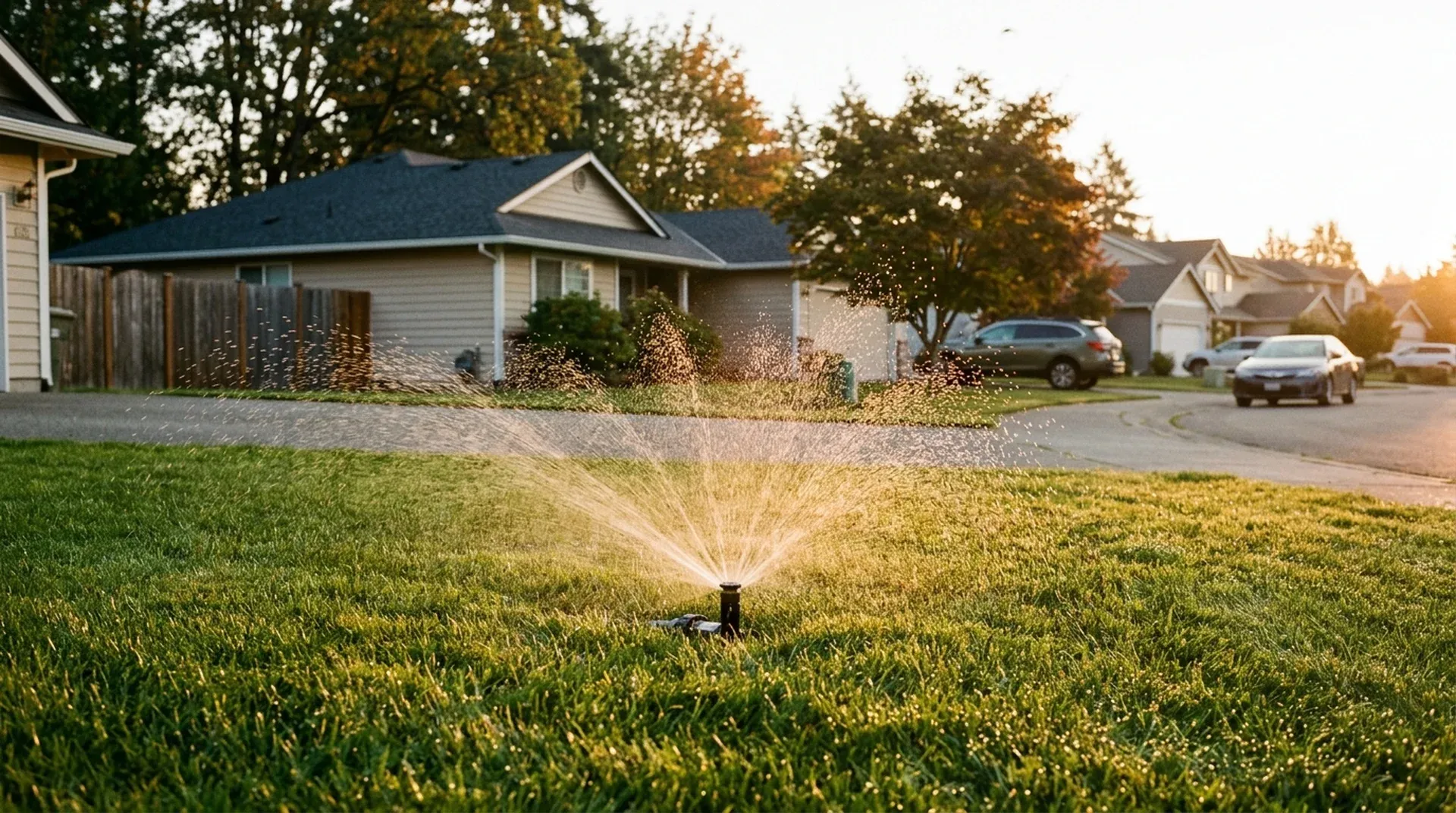
The best time to water your lawn is early morning, roughly 5–9 a.m., according to Iowa State University Extension. Water soaks in before the sun and wind pick up, and the grass dries quickly, which lowers disease risk. Most lawns need about 1 inch of water a week, counting rain, applied in 1 or 2 deep waterings instead of a little every day.
Why early morning beats midday and evening
Morning watering wins on two counts: less waste and less disease.
- Midday: Iowa State notes that rapid evaporation and strong winds make midday watering inefficient, and wind can carry water onto driveways and streets. EPA WaterSense gives the same advice: skip the middle of the day, when the sun evaporates much of the water.
- Evening: Grass that stays wet overnight is more prone to disease. Iowa State says late-afternoon or evening watering may increase disease problems. The University of California's turf IPM guidance advises against evening watering (before midnight). Its reason: blades and thatch that stay wet on cool nights are prone to disease.
- Early morning: UC suggests a window of about 2–8 a.m., when evaporation is low, wind is light and water pressure is usually good.
The two windows differ by a few hours, but both aim at the same thing: watering while it's cool and calm, with the grass drying soon after sunrise. If you start a hose sprinkler by hand, the later part of the window is easier. An automatic timer can start earlier.
What if mornings don't work for you? North Carolina's Department of Environmental Quality says the next-best time is evening, early enough that the grass isn't wet overnight. UC's advice is stricter, so treat early evening as a backup, not a habit.
How much water your lawn needs
EPA WaterSense says landscapes typically need about 1 inch of water a week, including rainfall. The right amount varies by grass, climate, soil and season, and extension services in different regions give slightly different numbers.
|
Region and grass |
Guideline |
Source |
|---|---|---|
|
Iowa lawns (cool-season Midwest) |
1 to 1½ inches per week, in 1 or 2 applications |
|
|
Texas lawns in summer |
About 1 inch per week, once a week or every 3–4 days |
|
|
Utah lawns (arid West) |
About ½ inch per watering, twice a week (1 inch a week) |
|
|
Central Oregon lawns |
1–3 waterings a week through the irrigation season |
Subtract rain from your weekly target. A rain gauge in the yard takes the guesswork out of this.
How deep should the water go? Clemson's Home & Garden Information Center says about ½ inch on sandy soil or 1 inch on heavy soil wets it 4 to 6 inches deep. Clemson's screwdriver test is a quick check: a screwdriver is hard to push into very dry soil.
How often to water
Deep and infrequent is the rule almost everywhere. Texas A&M AgriLife horticulture specialist Larry Stein's advice is to water once a week or every 3–4 days. Never water daily, he says, because it keeps roots shallow. Iowa State adds that frequent light watering produces shallow roots and lush growth that's less drought-tolerant.
Soil type changes the schedule. Clemson's guidance by soil:
|
Soil |
Amount per watering |
How often |
|---|---|---|
|
Very sandy |
About ⅓ inch |
3 times a week |
|
Sandy to loamy |
About ½ inch |
2 times a week |
|
Heavy clay |
About 1 inch |
All in one deep watering |
On clay or slopes, water can run off before it soaks in. EPA WaterSense recommends "cycle and soak": split the run into shorter cycles with breaks in between. Turn the water off if it starts to pool.
Watering in hot weather
Heat doesn't change the best time, even on the hottest days: water early in the morning. On hot, windy, low-humidity days, Clemson notes, grass can wilt even when there's still water in the soil, so check the soil before you add more.
Cool-season lawns such as fescue and bluegrass naturally go dormant in summer heat, says NC DEQ. It says a dormant lawn needs water only about every 3 weeks if there's been no rain. Before you let a lawn go brown, note Clemson's caution. Tall fescue may not recover as reliably, and a new lawn with a limited root system can be severely injured or killed.
Adjusting through the seasons
EPA WaterSense says irrigation schedules should be adjusted for seasonal changes. Oregon State Extension's advice for Central Oregon, for example, is to reduce both the amount and frequency of watering as fall approaches.
Don't stop too early, though. University of Minnesota Extension says watering before the soil freezes is a good idea. If your lawn is dry, it suggests watering at least once before the system is shut off. In cold climates, that last run comes right before you winterize your sprinkler system.
How long to run your sprinklers
Run time depends on how fast your sprinklers put down water, and that varies a lot by head type. According to BrightView, spray heads apply about 1.5–2 inches per hour, while rotors apply 0.5–1 inch and rotary nozzles 0.5–0.6 inch.
|
Head type |
Approximate time to apply ½ inch |
|---|---|
|
Spray heads (1.5–2 in/hr) |
15–20 minutes |
|
Rotary nozzles (0.5–0.6 in/hr) |
50–60 minutes |
|
Rotors (0.5–1 in/hr) |
30–60 minutes |
Those are starting points. To find your real numbers, do a catch-can test. Clemson's method:
- Set 5–10 straight-sided containers (tuna cans work) across one zone.
- Run the zone for 15 minutes.
- Pour all the water into one container and measure the depth, then divide by the number of containers.
- Multiply by 4 to get inches per hour.
- Run time in minutes = (inches you want to apply × 60) ÷ your rate. At 2 inches per hour, ¾ inch takes about 23 minutes.
So is 20 minutes enough? With spray heads, 20 minutes puts down roughly ½ to ⅔ inch. With rotors, it's only about ⅙ to ⅓ inch, so they need to run much longer.
Repeat for each zone, since sprays and rotors on different zones will need very different run times.
Signs your lawn needs water (or doesn't)
Watering when the lawn asks for it, instead of on a fixed calendar, saves water and builds deeper roots. Clemson and UC list similar warning signs:
- Footprints that stay visible instead of springing back
- A bluish-gray tint instead of green (Clemson)
- Leaf blades that fold, roll or wilt
- Dry soil: UC says to water when the top 2 inches have dried out
In a drought, dormancy is an option for some lawns. Clemson notes that warm-season grasses such as bermudagrass, zoysiagrass, St. Augustinegrass and centipedegrass can go dormant and recover. Tall fescue and new lawns are riskier, as noted under hot-weather watering above.
If you're tired of watering turf at all, our guide to xeriscaping covers replacing some lawn with drought-tolerant plantings.
When to hold off
Overwatering has its own costs. Clemson says it can encourage weeds and disease and raise your water bill. NC DEQ adds that it causes runoff, which can carry off fertilizer and newly sown seed.
- Skip a watering when rain is forecast. Clemson suggests a rain shut-off device that overrides the system when it rains.
- After you water, NC DEQ says to wait until footprints show again before the next round.
Smart controllers and local watering rules
EPA WaterSense estimates that as much as 50% of the water used outdoors at homes is wasted through overwatering. It says a WaterSense labeled smart controller can save an average home up to 15,000 gallons a year. These controllers adjust watering based on local weather or soil moisture, and some utilities offer rebates for them.
Before you set a schedule, check your local rules. Many communities limit watering to certain days or hours, and UC notes some counties assign watering days based on your address. HOAs may have their own landscaping requirements, too.
For beds, shrubs and gardens, a drip system can cut water use further. See drip irrigation vs. sprinklers to compare the two.
When to call a pro
If some spots stay brown while others stay soggy, uneven coverage may be the cause rather than the schedule. An irrigation pro can adjust or replace heads, fix leaks, run a catch-can audit, rezone areas with mixed head types, or install a smart controller.
When you hire:
- Get 2–3 written quotes that spell out what's being repaired or replaced.
- Ask for photos or references from similar residential jobs.
- Check licensing and insurance where your state requires it, especially for any backflow work.
- Get the scope and payment schedule in writing.
Our sprinkler system cost guide has typical prices for controllers and repairs. When you're ready, compare irrigation pros near you on LandscapeLookup. It's free with no sign-up, and you contact pros directly.
Editorial team
The LandscapeLookup editorial team writes guides to help US homeowners plan yard projects and hire the right pro. Each guide is based on university extension services, government sources such as EPA WaterSense and USDA, manufacturer instructions and published cost guides, and links to them so you can check the details.
Keep reading
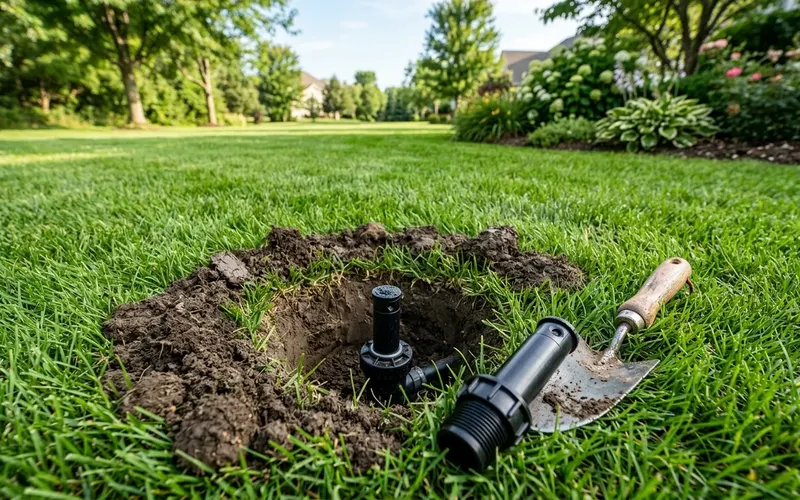
Sprinkler Repair: Common Problems and Costs
Most sprinkler repairs are small jobs: a broken head, a clogged nozzle, a leaking valve or a cut wire. HomeAdvisor puts a typical pro repair at $137 to $422, and many head and nozzle fixes are easy DIY.
October 4, 2026
Smart Sprinkler Controllers: Are They Worth It?
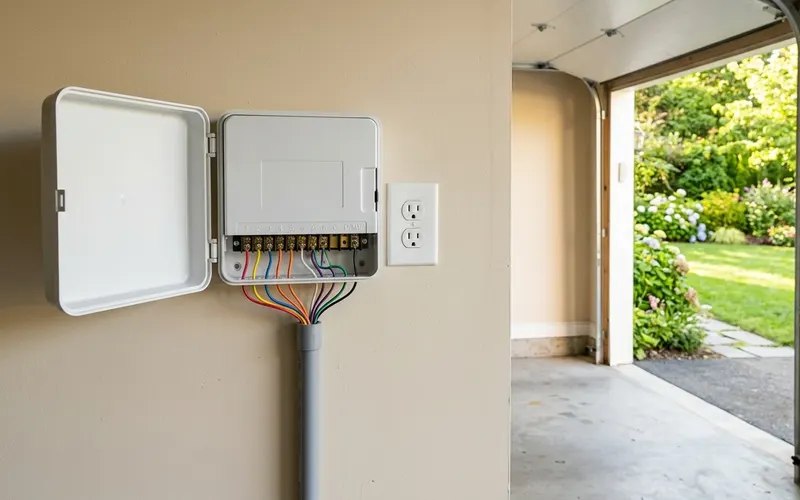
A smart sprinkler controller adjusts watering to the weather or soil moisture. It usually pays off if your lawn gets more water than it needs, especially with a utility rebate, but saves little if you already water carefully.
September 17, 2026
Backflow Testing: What Homeowners Need to Know
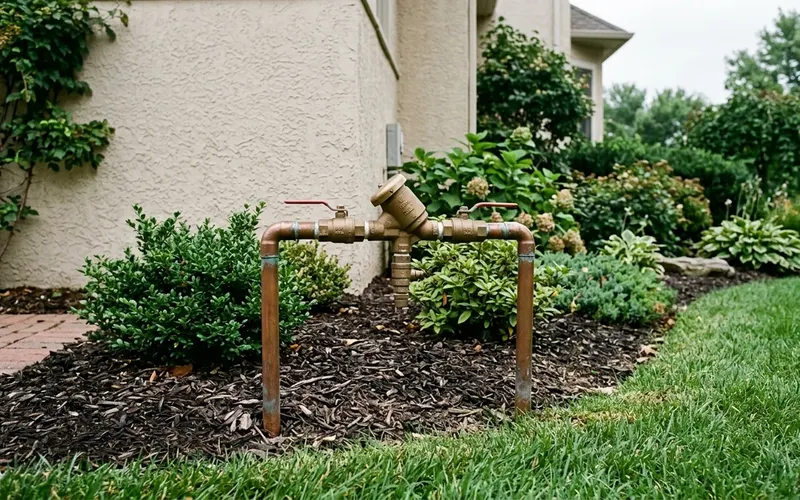
A backflow test checks that the device keeping sprinkler water out of your drinking water still works. Many utilities require one every year by a certified tester; a typical test costs about $70–$90, plus any local filing fee.
September 10, 2026