Skip to content
LandscapeLookup

Tag

watering

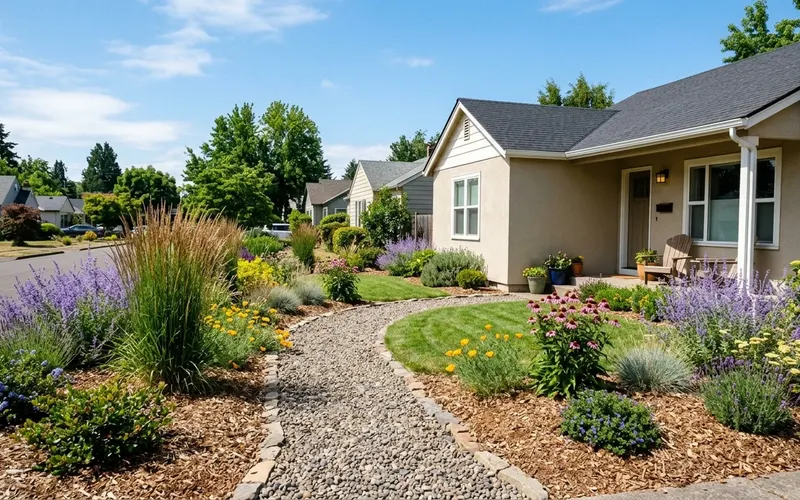
Drought-tolerant front yard with ornamental grasses, lavender and coneflowers along a gravel path
Landscaping

Xeriscaping: How to Plan a Drought-Tolerant Yard

Xeriscaping is landscaping built to need little water beyond rainfall, using seven principles: planning, soil prep, practical turf, adapted plants, efficient irrigation, mulch and maintenance. It doesn't have to mean gravel and cactus.

October 7, 2026
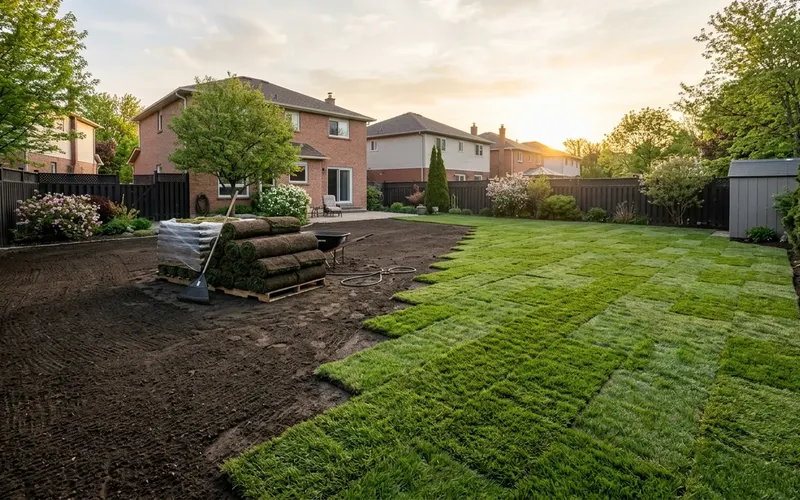
Fresh rolls of green sod laid in staggered rows over smooth brown soil, with a pallet of sod at the edge of the yard
Lawn Care

How Much Does Sod Cost?

Sod itself runs about $0.35 to $1 per sq ft ($150 to $450 a pallet). Installed on prepared bare soil, most pros charge about $1 to $2.60 per sq ft, and $2 to $4.50 if the old lawn has to come out first.

October 1, 2026

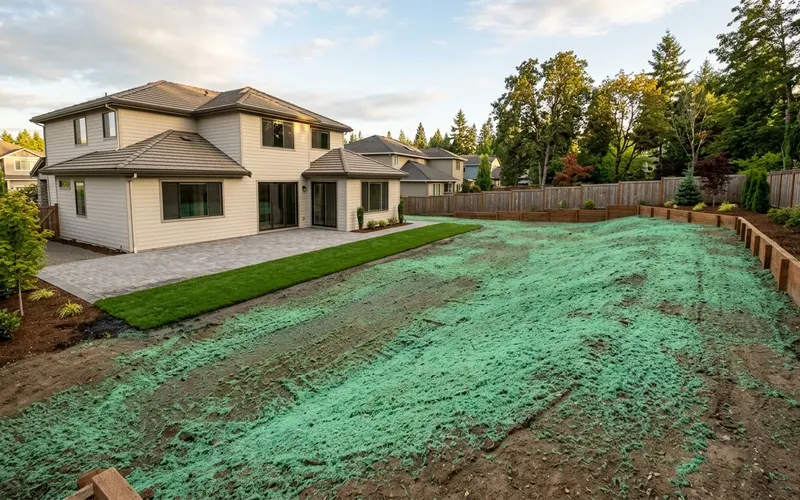
Bare graded yard covered in green hydroseed mulch beside a strip of freshly laid sod
Lawn Care

Hydroseeding vs. Sod vs. Seed: Cost and Results

Hydroseeding sprays seed, mulch, fertilizer and water onto bare soil for about $0.07 to $0.21 per sq ft, far less than sod at about $1.65 installed. Sod is usable in weeks; hydroseed and plain seed take a season to mature.

September 28, 2026

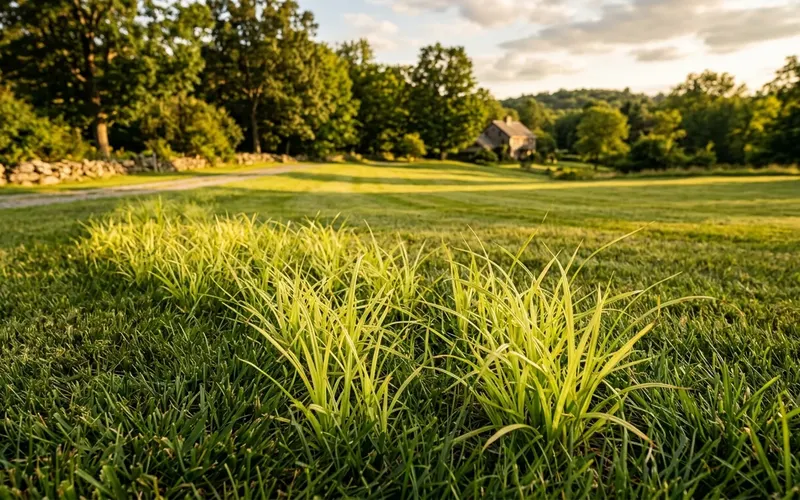
Clumps of glossy yellow-green nutsedge growing taller than the surrounding lawn grass
Lawn Care

How to Get Rid of Nutsedge

Nutsedge is a sedge, not a grass, so regular weed killers miss it. Pull or spray young plants in late spring to early summer before new tubers form, use a sedge herbicide like halosulfuron, fix wet spots, and expect 2 to 3 years of follow-up.

September 22, 2026

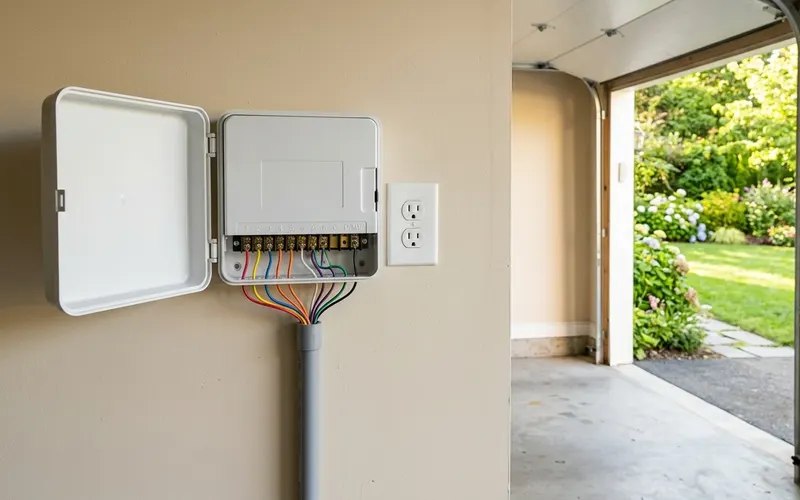
Plain white wall-mounted sprinkler controller with colored zone wires inside a tidy garage
Irrigation

Smart Sprinkler Controllers: Are They Worth It?

A smart sprinkler controller adjusts watering to the weather or soil moisture. It usually pays off if your lawn gets more water than it needs, especially with a utility rebate, but saves little if you already water carefully.

September 17, 2026

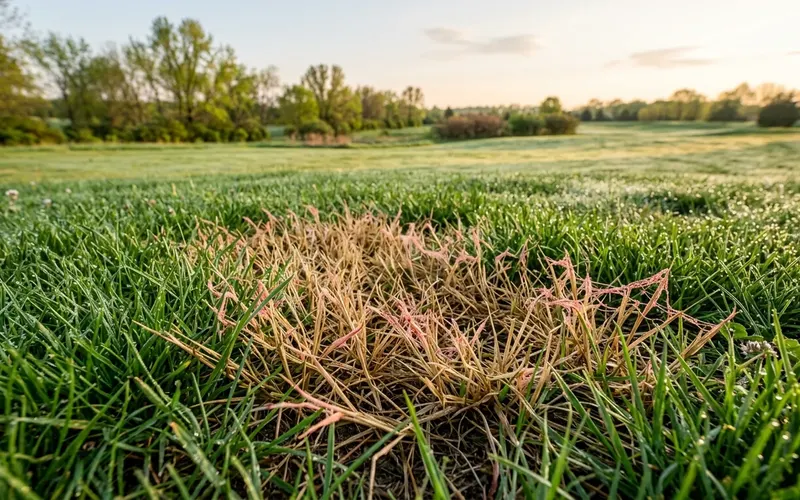
Close-up of a lawn with a tan, bleached patch of grass blades showing fine pink-red threads at the tips
Lawn Care

Brown Spots in the Lawn: Fungus or Something Else?

Many brown spots come from drought, dog urine, grubs or fertilizer spills, not fungus. Rule those out with a screwdriver and a tug, then match the spot, season and grass type to red thread, dollar spot, brown patch or large patch.

September 13, 2026

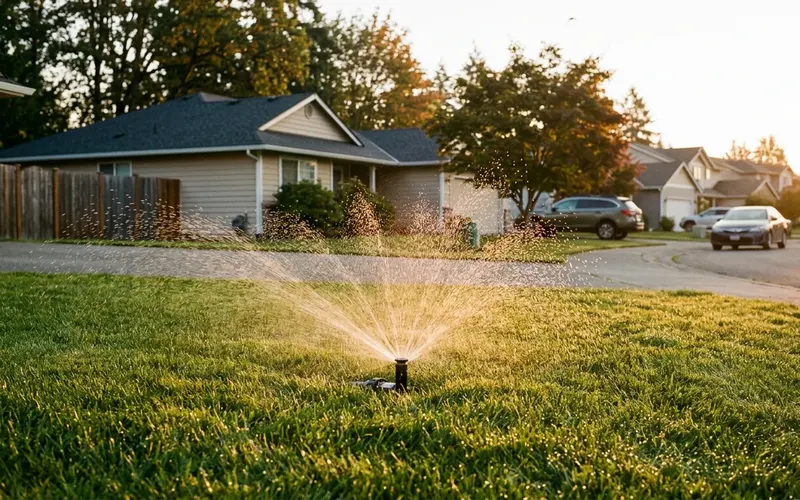
Pop-up sprinkler spraying a green lawn at sunrise on a quiet residential street
Irrigation

The Best Time to Water Your Lawn (and How Much)

Water your lawn in the early morning, roughly 5–9 a.m., when less is lost to evaporation and grass dries quickly. Most lawns need about 1 inch of water a week, rain included, applied in 1–2 deep waterings rather than daily sprinkles.

September 5, 2026

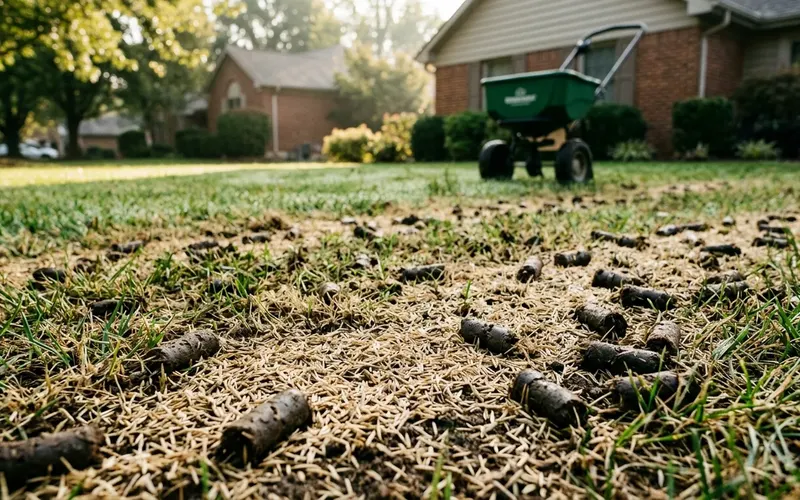
Grass seed and soil plugs on a thin lawn, with a broadcast spreader in the background
Lawn Care

Overseeding a Lawn: When and How to Do It

Overseed cool-season lawns in late summer to early fall (mid-August to late September in much of the North) at about half the new-lawn seed rate, after aerating or slit seeding, and keep the top inch of soil moist until the grass is up.

August 28, 2026

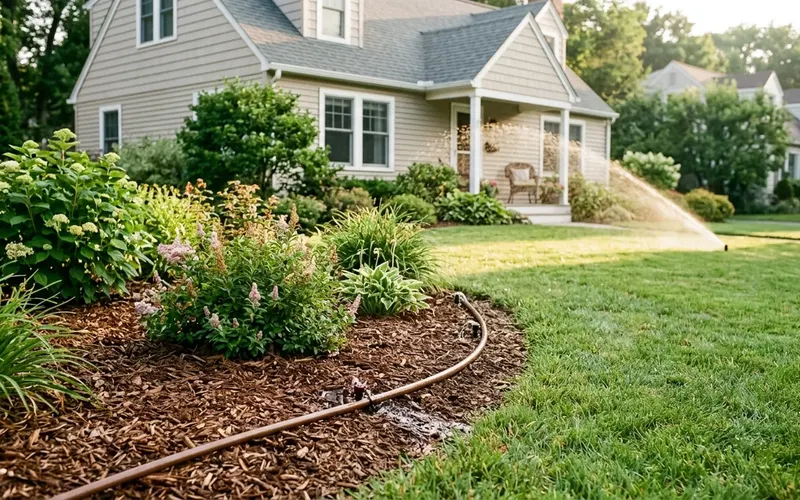
Drip tubing in a mulched shrub bed next to a lawn being watered by a sprinkler
Irrigation

Drip Irrigation vs. Sprinklers

Use drip irrigation for beds, shrubs, trees and gardens, and sprinklers for lawns. Drip is over 90% efficient versus 50–70% for sprinklers, and EPA says it uses 20–50% less water. Many yards use both, on separate zones.

August 18, 2026