58 landscape pros in Fort Lauderdale, FL, with an average Google rating of 4.7. Listings are ranked by rating weighted by review volume, so a 4.9 from hundreds of customers ranks above a 5.0 from three.
58 pros, ranked by rating and review volume











Local guide
Fort Lauderdale sets its own tree permits, swale rules and fertilizer ordinance, while Broward County and the South Florida Water Management District set the watering days. Waterfront lots add seawall rules. For zones, statewide grasses and licensing, see the Florida guide.
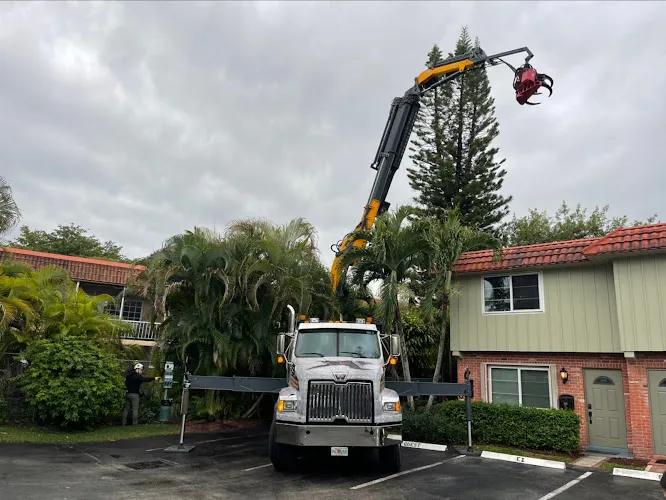
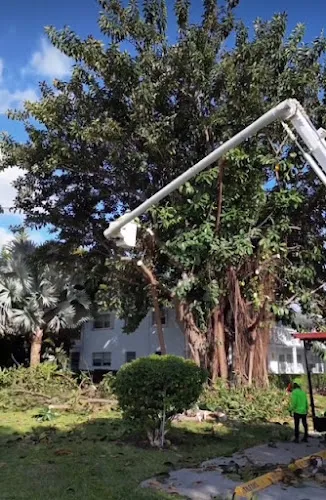
The city's tree permit FAQ requires a permit before removing or relocating any tree 3 inches or more in diameter at breast height (DBH), any palm with 8 feet or more of clear trunk, and any specimen, desirable or City Commission protected tree.
Applications go through LauderBuild, and the application process lets a single-family owner qualify the permit, with notarized signatures, a tree survey and inventory, and an ISA certified arborist report for specimen-sized trees. The city may deny removing a large, desirable tree over roots or debris if root barriers, root pruning or canopy reduction could save it, and stumps must be ground below grade before the final inspection. The Landscaping Division answers at 954-828-6520.
Under section 163.045 of the Florida Statutes, a residential tree that an ISA certified arborist or Florida licensed landscape architect documents as an unacceptable risk needs no local permit or replanting.
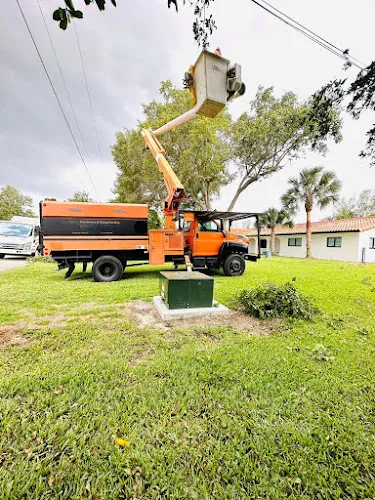
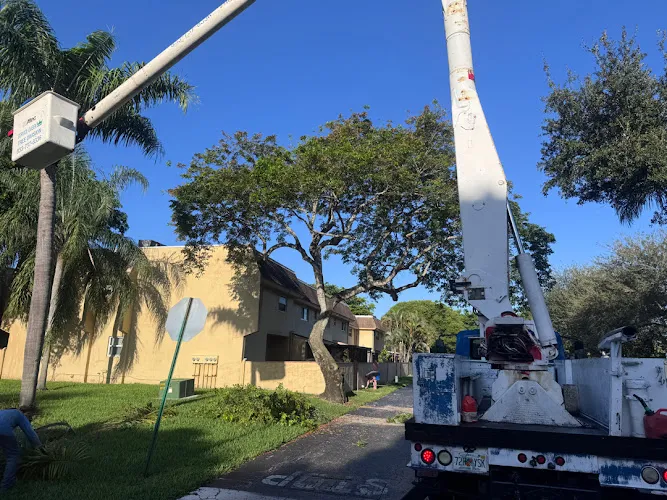
The city says no permit is needed to prune, but the work must meet ANSI A-300 standards and city code, and commercial tree companies need a current Broward County tree trimmer license. It calls topping (hatracking) harmful and leaves pruning near power lines to FPL. Its storm-ready trees page advises checking trees each spring and choosing native, salt-tolerant species.
Planting any tree or palm in the public right-of-way requires a city permit. The right-of-way landscaping checklist sets the rules:
Through the city's Adopt-a-Tree program, the city plants an 8 to 12 foot tree in the swale next to your home, and you water it until established and maintain it. Report tree emergencies or tree abuse at 954-828-8000.
Inside city limits, Fort Lauderdale enforces its own fertilizer ordinance. No fertilizing:
City staff can issue an immediate stop-work order, and applicators must show the product's guaranteed analysis label on request. The city's best practices recommend a phosphorus-free product such as 15-0-15, no more than 1 pound per 1,000 square feet, at most twice a year in spring and fall, and never hosing fertilizer into storm drains.
Broward County says the district's year-round restrictions apply in every Broward city, with generally no watering on Monday, Tuesday or Friday. Under the district's two-day schedule:
Broward's NatureScape Irrigation Service offers a rebate for upgrading to weather-based systems in participating areas. Apply before you upgrade.
The city calls itself highly vulnerable to king tides. New seawalls must reach a top elevation of at least 5 feet, and the city cites owners whose seawalls contribute to roadway tidal flooding.
The city collects yard waste weekly, including limbs up to 12 feet long and 12 inches thick. Bulk pickup won't take stumps, dirt, sod or pavers, and debris must come from your own property.
The UF/IFAS Broward County Extension office is at 3245 College Ave. in Davie. Its Master Gardener help desk, (954) 756-8533 or [email protected], identifies plants and insects, and the office hands out free kits for the UF/IFAS soil test ($34.95). See also how to test your lawn soil.
Quotes vary with lot size, access and the work. These national ranges from our cost guides are a starting point:
Usually, yes. The city requires a tree permit before removing or relocating any tree 3 inches or more in trunk diameter at chest height, any palm with 8 feet or more of clear trunk, and any specimen or protected tree. On a single-family lot the permit is $159 for up to two trees or palms plus $53 for each additional one, and work done without a permit is charged four times the fee. Invasive species on the state and Category I lists, Norfolk Island pine and dead trees on developed property are exempt.
No. The city says pruning needs no permit, but the work must meet ANSI A-300 standards and city code. Commercial tree companies need a current Broward County tree trimmer license, and the city warns that topping, or hatracking, harms trees. Leave branches near power lines to FPL.
Only with a city right-of-way permit. Trees must stay at least 5 feet from underground utilities, or 10 feet for large trees with intrusive roots, and plantings can't block sight lines near driveways and intersections. The owner signs a recorded affidavit to maintain the plantings, and the city can require the swale restored with sod if they cause a nuisance or drainage problem. The city's Adopt-a-Tree program will also plant a tree in your swale if you agree to water and maintain it.
Not from June 1 through September 30, and not during a flood, tropical storm or hurricane watch or warning or when 2 inches or more of rain is forecast in 24 hours. That's the city's own fertilizer ordinance, and city staff can stop work on the spot. The city recommends a phosphorus-free fertilizer, no more than 1 pound per 1,000 square feet, at most twice a year in spring and fall.
Broward County says the South Florida Water Management District's year-round rules apply in every Broward city, with generally no watering on Monday, Tuesday or Friday. Under the district's two-day schedule, odd-numbered addresses water on Wednesday and/or Saturday and even-numbered addresses on Thursday and/or Sunday. No watering is allowed between 10 a.m. and 4 p.m., including from private wells, though hand watering with a self-cancelling nozzle is allowed anytime.
The UF/IFAS Broward County Extension office at 3245 College Ave. in Davie runs a Master Gardener help desk at (954) 756-8533 or [email protected]. Volunteers identify plants and insects, and the office gives out free kits for the UF/IFAS soil test.
Other cities in Florida
More landscape pros in the area
Guides

Plant in fall after leaf drop or in early spring before bud break. Dig a hole 2 to 3 times wider than the root ball but no deeper, set the root flare at or just above grade, backfill with the soil you dug out, water well and mulch 2 to 3 inches deep without touching the trunk.
October 30, 2026

Lawn grasses are cool-season (Kentucky bluegrass, tall fescue, perennial ryegrass, fine fescue) for the North or warm-season (Bermuda, zoysia, St. Augustine, centipede, bahia, buffalograss) for the South. Pick by region first, then by sun, traffic and water.
October 28, 2026
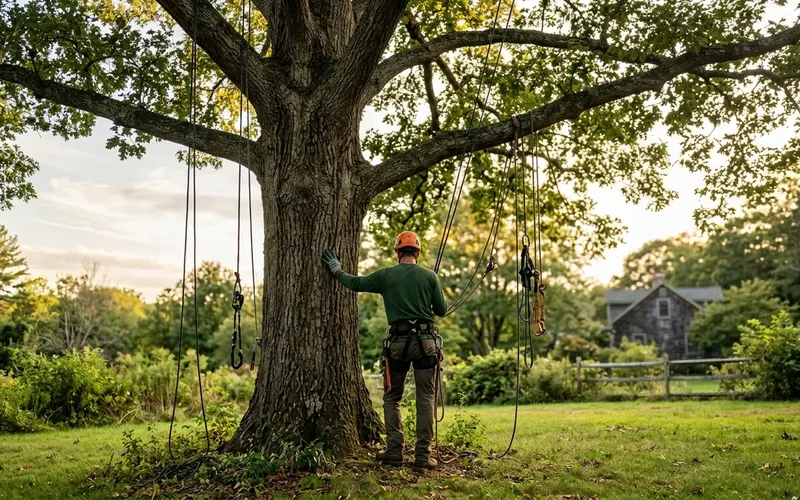
An ISA Certified Arborist has at least 3 years of tree care experience, passed a 200-question exam and keeps up with continuing education. Hire one for large-tree pruning, risk checks, removal decisions and sick trees.
October 26, 2026
For landscape pros
Claim your free listing to keep your details right, add photos and earn the Verified badge. Not listed yet? Add your business.