IrrigationOutdoor LivingLandscaping
- Osteen, FL
- (386) 574-0608
2,636 landscape pros in Florida, with an average Google rating of 4.6. Listings are ranked by rating weighted by review volume, so a 4.9 from hundreds of customers ranks above a 5.0 from three.
2,636 pros, ranked by rating and review volume








Local guide
Florida stretches from the clay deposits of the Panhandle to the shallow, limestone-based soil of South Florida, so a yard in Pensacola and a yard in Miami need different plants, different grass and different care. This guide covers what changes across the state: climate, soil, lawn grasses, the watering and fertilizer rules, and what to check before you hire a pro.
The USDA Plant Hardiness Zone Map is based on the average annual extreme minimum winter temperature, which is why plant tags use it to say what survives the winter. UF/IFAS Extension's guide for new Florida gardeners splits the state into three regions:
The same guide notes that the rainy season runs from June to October, while winter and spring are the driest months. Summer rain means plenty of water, but also a higher risk of fungal pests. To find your exact zone, enter your ZIP code on the USDA map.
Most of Florida sits on sand. UF/IFAS Extension says Florida soils are "naturally sandy and extremely low in organic material," which leads to leaching and low nutrient levels. Organic matter improves how well soil holds water and plays an important role in nutrient cycling, so UF/IFAS recommends adding compost, composted manure and organic mulch to build it up.
The sand isn't uniform. UF/IFAS's new-resident guide says the Panhandle is less sandy and has tough clay deposits, while further south the soil is very shallow and limestone bedrock raises the pH to alkaline levels. That pH matters when you pick a grass, because some Florida lawn grasses turn yellow on alkaline soil. UF/IFAS suggests starting any project with a soil test.
UF/IFAS Extension's Selecting a Florida Turfgrass fact sheet compares Florida's lawn grasses on shade, drought, salt and upkeep, and UF's species guides fill in the details:
|
Grass |
Where it does best in Florida |
Good to know |
|---|---|---|
|
St. Augustinegrass |
Statewide |
The most commonly used lawn grass in Florida. Relatively good salt tolerance, and some cultivars handle shade better than other warm-season grasses. Chinch bugs are its main pest. Planted as sod, plugs or sprigs, not seed |
|
Bahiagrass |
Statewide, on acidic, sandy soil |
Better drought tolerance than other Florida lawn grasses and low maintenance, but its tall seedheads bother some people. Very poor salt tolerance and poor shade tolerance |
|
Zoysiagrass |
All areas of Florida |
Can have good tolerance to shade, salt and traffic and may need less fertilizer, but it grows slowly and tends to build up thatch |
|
Bermudagrass |
Statewide, in full sun |
Used on most athletic fields, but not very popular on home lawns in Central and South Florida. Does poorly in shade, needs a lot of nitrogen and water, and spreads into flower beds |
|
Centipedegrass |
Central and North Florida |
The most common home lawn grass in the Panhandle. Needs little fertilizer and likes acidic soil; it can yellow badly where soil pH is high. Poor salt and wear tolerance |
If you live near the coast, salt tolerance narrows the list: the UF/IFAS fact sheet rates St. Augustinegrass, zoysiagrass and bermudagrass as good, and bahiagrass and centipedegrass as poor or very poor. For a shady yard, St. Augustinegrass and zoysiagrass are the usual choices, depending on the cultivar. For timing, see when to fertilize your lawn and when to aerate your lawn.
Florida has five water management districts, supervised by the Florida Department of Environmental Protection: Northwest Florida, Suwannee River, St. Johns River, Southwest Florida and South Florida. Each sets lawn watering rules for its region, and your city or county may add a schedule of its own.
These are the baseline rules. During a drought, a district can issue a water shortage order that cuts watering to one day a week or tightens the hours, so check your district's restrictions page (for example, Southwest Florida's current restrictions) before setting a sprinkler timer.
Some watering is allowed outside the schedule. In the St. Johns River district, for example:
The South Florida district also allows hand watering with a self-cancelling nozzle at any time and has allowances for new landscaping. Our guide to the best time to water your lawn covers how much to water.
Florida law defines Florida-friendly landscaping as "quality landscapes that conserve water, protect the environment, are adaptable to local conditions, and are drought tolerant." UF/IFAS Extension's Florida-Friendly Landscaping program teaches it, and says plants chosen this way need minimal water, fertilizer and pesticide once established. It's built on nine principles: right plant, right place; water efficiently; fertilize appropriately; mulch; attract wildlife; manage yard pests responsibly; recycle yard waste; reduce stormwater runoff; and protect the waterfront. A few of its practical tips: water the lawn only when at least half of it shows wilt, don't let the calendar decide when to irrigate, and avoid cypress mulch, which is often harvested from wetlands.
The same law backs homeowners who want this kind of yard. Under section 373.185 of the Florida Statutes, a deed restriction, covenant or local ordinance may not prohibit a property owner from putting in Florida-friendly landscaping.
Rain can wash fertilizer off lawns and into waterways, so the state and many local governments regulate how it's used.
To see whether your city or county has an ordinance, check UF/IFAS's Florida fertilizer ordinance map or ask your county Extension office. Wherever you live, UF/IFAS advises never fertilizing within 10 feet of a lake, pond or other water body, and never right before a heavy rain.
Planting trees, setting fence posts, building a retaining wall or installing a sprinkler system can hit buried gas, power or water lines. Sunshine 811 is Florida's free call-before-you-dig service, and its homeowner FAQ says you must contact 811 for every digging project, large or small. Under section 556.105 of the Florida Statutes, notice has to go in at least two full business days before digging starts. Weekends, holidays and the day you place the request don't count.
Utilities only mark the lines they own. Private lines on your property are the homeowner's responsibility.
Prices depend on lot size, access, materials and the time of year, so get written quotes. As a starting point, these are the typical national ranges from our cost guides, each with its sources:
It depends on your water management district and your city or county. The St. Johns River district's standard rules allow watering up to two days a week during daylight saving time and one day a week during Eastern Standard Time, on days set by your address and never between 10 a.m. and 4 p.m. The Southwest Florida district limits lawn watering to twice a week, and the South Florida district allows two or three days a week, never between 10 a.m. and 4 p.m. During droughts a district can cut this further, so check its current restrictions.
UF/IFAS Extension says St. Augustinegrass is the most commonly used lawn grass in Florida, with relatively good salt tolerance and some shade-tolerant cultivars. Bahiagrass has the best drought tolerance and low upkeep but poor salt tolerance. Zoysiagrass suits all areas of Florida and can tolerate shade, salt and traffic. Centipedegrass is well adapted to Central and North Florida and is the most common home lawn grass in the Panhandle. Bermudagrass needs full sun and plenty of fertilizer and water.
UF/IFAS says the best time to plant any warm-season grass is while it's actively growing. In South Florida, late fall, winter or spring is best for St. Augustinegrass; in Central and North Florida, avoid laying it during cold winter months or hot, dry summer months. Bahiagrass can be planted as sod or seed at any time of year in much of Florida, with spring or early summer best in North Florida.
UF/IFAS Extension says North Florida (north of State Road 40) includes USDA zones 8 and 9, Central Florida (between State Roads 40 and 70) zones 9 and 10, and South Florida (south of State Road 70) zones 10 and 11. Enter your ZIP code on the USDA map for your exact zone.
Check your local ordinance first. Many Florida cities and counties ban fertilizer containing nitrogen or phosphorus during the summer rainy season. In Brevard, Lake, Orange, Seminole and Volusia counties, for example, the ban runs from June 1 to September 30. UF/IFAS keeps a map of local fertilizer ordinances, and your county Extension office can tell you what applies to you.
It depends on the project, lot and season. As national starting points from our cost guides: landscaping runs about $4.50 to $17 per square foot, monthly lawn care plans about $100 to $500, and most tree removals about $385 to $1,070. Get two or three written quotes.
Yes. Sunshine 811 says you must contact 811 for every digging project, large or small, and the service is free. Florida law requires notice at least two full business days before digging starts; weekends, holidays and the day you place the request don't count.
If they apply pesticides or fertilizer, yes. The Florida Department of Agriculture and Consumer Services (FDACS) requires a pest control business license for applying insecticides, herbicides or fungicides, including weed-n-feed products. Its landscape maintenance certificate covers plant beds only, not lawns. Anyone fertilizing lawns for pay needs FDACS's commercial fertilizer certification. You can look up licenses in the FDACS public database.
Guides
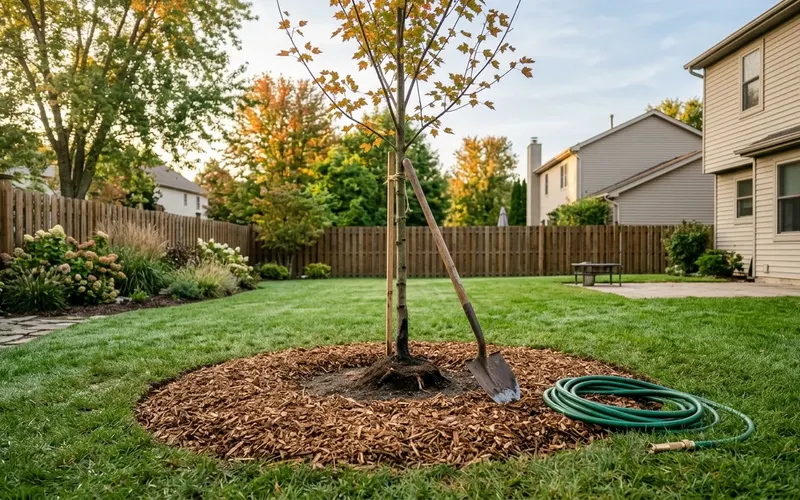
Plant in fall after leaf drop or in early spring before bud break. Dig a hole 2 to 3 times wider than the root ball but no deeper, set the root flare at or just above grade, backfill with the soil you dug out, water well and mulch 2 to 3 inches deep without touching the trunk.
October 30, 2026
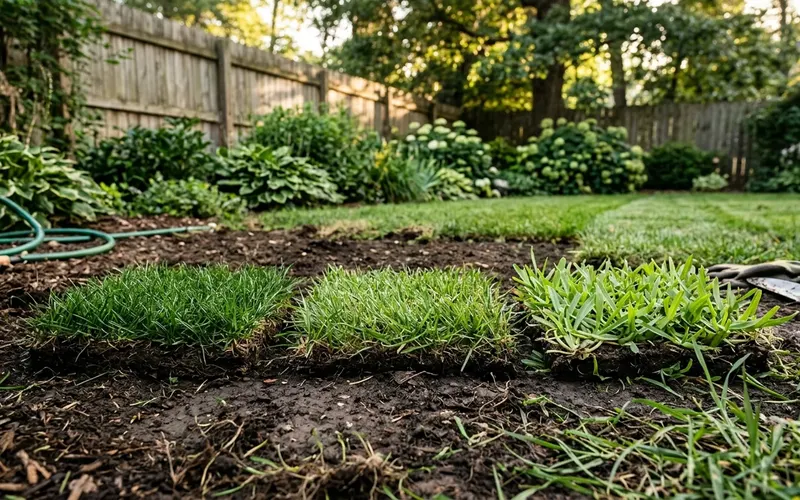
Lawn grasses are cool-season (Kentucky bluegrass, tall fescue, perennial ryegrass, fine fescue) for the North or warm-season (Bermuda, zoysia, St. Augustine, centipede, bahia, buffalograss) for the South. Pick by region first, then by sun, traffic and water.
October 28, 2026
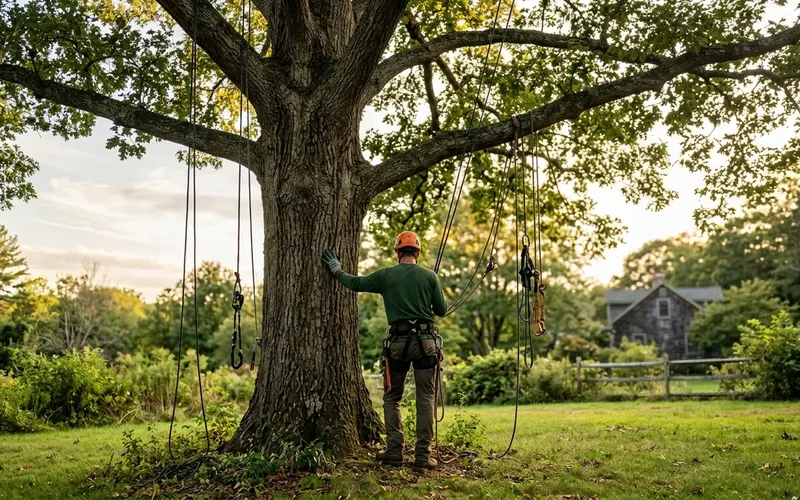
An ISA Certified Arborist has at least 3 years of tree care experience, passed a 200-question exam and keeps up with continuing education. Hire one for large-tree pruning, risk checks, removal decisions and sick trees.
October 26, 2026
For landscape pros
Claim your free listing to keep your details right, add photos and earn the Verified badge. Not listed yet? Add your business.