
75 landscape pros in Sarasota, FL, with an average Google rating of 4.8. Listings are ranked by rating weighted by review volume, so a 4.9 from hundreds of customers ranks above a 5.0 from three.
75 pros, ranked by rating and review volume














Local guide
Sarasota yard work runs into two sets of rules: the City of Sarasota's inside city limits and Sarasota County's outside them. Both ban summer fertilizer, but the city runs its own tree permit program and its watering days differ from the county's. For zones, statewide grasses and licensing, see the Florida guide.
The city's Tree Protection page sets the rules for addresses inside city limits:
Apply online or at Development Services, 1575 Second Street. Tree questions go to the city's senior arborist at 941-263-6536. The city also holds free tree giveaways during the year.
Mangroves need a Florida DEP permit before any trimming, altering or removal, and the city won't issue a removal permit for red, black or white mangroves without one. State law's exemption for a documented dangerous residential tree is covered in the Florida guide. If your address is in unincorporated Sarasota County, the city's permit process doesn't apply; check with the county instead.
The City of Sarasota has its own fertilizer ordinance, and UF/IFAS Extension's code comparison shows it matches the rules for unincorporated Sarasota County and Venice:
Neighbors differ: Longboat Key's water buffer is 3 feet, and North Port's restricted season starts April 1.
The City of Sarasota has adopted the Southwest Florida Water Management District's watering restrictions, with civil penalties of up to $500 per violation. City watering questions go to 941-263-6224. UF/IFAS Sarasota Extension's summary of local schedules shows the city and county differ:
When the district declares a water shortage order, its schedule takes over. Under its Modified Phase III order, for example, lawns could be watered once a week by the last digit of the address, between midnight and 4 a.m. or between 8 p.m. and 11:59 p.m. Check the district's page before setting a timer. The Extension's Water Resources program offers free irrigation evaluations to Sarasota County residents.
After a hurricane, UF/IFAS Sarasota Extension's post-storm tips say most wind-burned plants recover with extra watering. Rinse sea spray off leaves with fresh water and hold off on chemical fertilizer, since its salts can make water uptake harder. Most plants submerged in saltwater won't survive; flush the soil of any that show life, and choose salt-tolerant plants for the future.
UF/IFAS Extension Sarasota County is at Twin Lakes Park, 6600 Clark Road, 941-861-9900. Its Master Gardener Plant Clinic (941-861-9807, [email protected]) identifies plants and pests and helps with lawn and garden problems. The office tests soil for pH and salinity for $5 a sample; nutrient tests go to the UF/IFAS lab in Gainesville. See also how to test your lawn soil.
Quotes vary with lot size, access and the work. These national ranges from our cost guides are a starting point:
Yes, inside city limits you need a permit to remove or relocate any tree over 4.5 inches in diameter at breast height, even a dead or invasive one. There is no permit fee for dead, prohibited or undesirable species, but the permit is still required. Mark each tree on the application with an orange ribbon within 24 hours of applying, or the first inspection fails and a $100 re-inspection fee applies.
The City of Sarasota requires no permit for routine trimming or pruning. It recommends a certified arborist for large branches and any work on a grand tree, and roots over 3 inches in diameter may not be cut. Mangroves are different: trimming them requires a Florida DEP permit.
The city defines grand trees as live oaks and sand live oaks 24 inches or more in diameter at breast height, and slash pines, longleaf pines and southern red cedars 20 inches or more. These trees get extra protection, and the city recommends a certified arborist for any work on them.
The City of Sarasota and Sarasota County both ban fertilizer containing nitrogen or phosphorus on turf and landscape plants in residential areas from June 1 through September 30. The rest of the year, nitrogen fertilizer must be at least 50 percent slow-release, with no more than 1 pound per 1,000 square feet per application and 4 pounds per year. Keep fertilizer at least 10 feet from any water body or wetland.
Under the city's standard schedule, odd-numbered addresses water Wednesday and Saturday and even-numbered addresses Thursday and Sunday, before 10 a.m. or after 4 p.m. Unincorporated Sarasota County uses a once-a-week schedule by the last digit of the address instead. When the Southwest Florida Water Management District declares a water shortage, its stricter schedule applies, so check its restrictions page before setting a timer.
UF/IFAS Extension Sarasota County at Twin Lakes Park, 6600 Clark Road, tests soil for pH and salinity for $5 a sample, with results in about two weeks. For nutrient tests, it points residents to the UF/IFAS soil testing lab in Gainesville. Its Master Gardener Plant Clinic also helps identify plants and pests.
Other cities in Florida
More landscape pros in the area
Guides
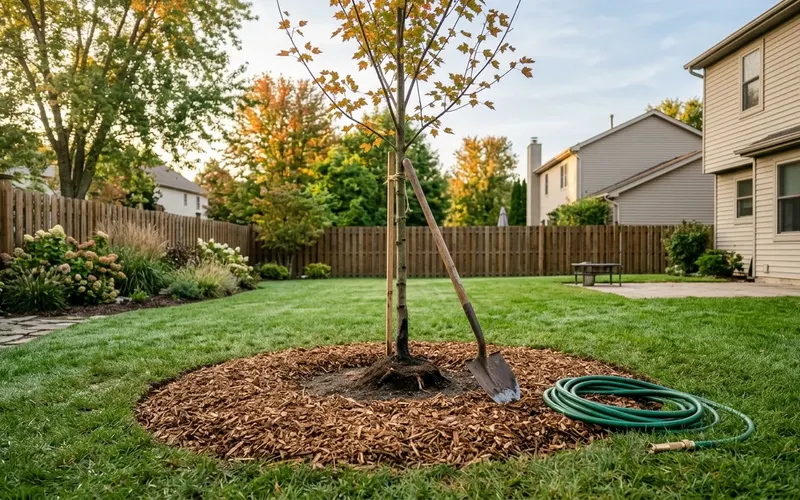
Plant in fall after leaf drop or in early spring before bud break. Dig a hole 2 to 3 times wider than the root ball but no deeper, set the root flare at or just above grade, backfill with the soil you dug out, water well and mulch 2 to 3 inches deep without touching the trunk.
October 30, 2026
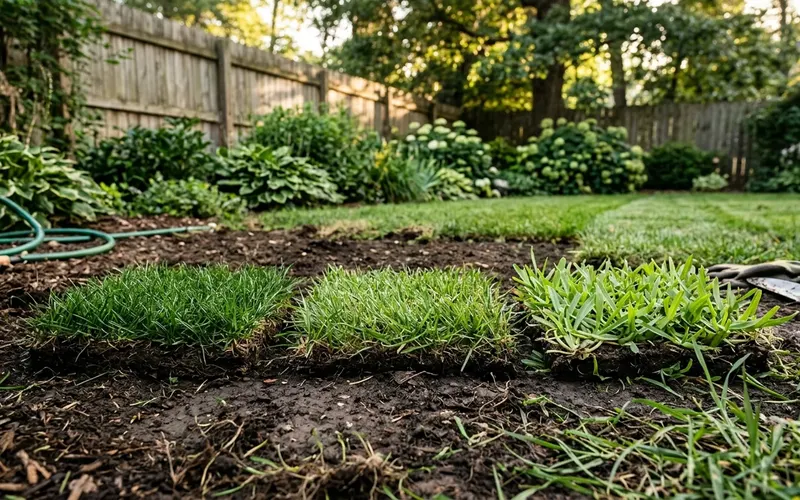
Lawn grasses are cool-season (Kentucky bluegrass, tall fescue, perennial ryegrass, fine fescue) for the North or warm-season (Bermuda, zoysia, St. Augustine, centipede, bahia, buffalograss) for the South. Pick by region first, then by sun, traffic and water.
October 28, 2026
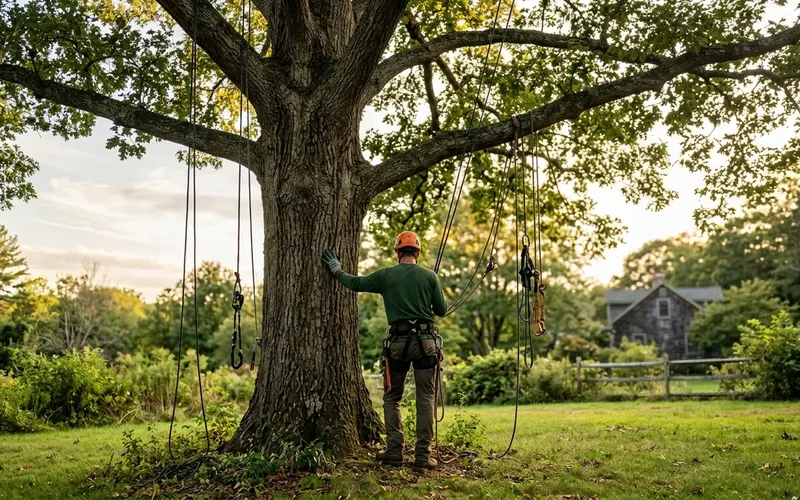
An ISA Certified Arborist has at least 3 years of tree care experience, passed a 200-question exam and keeps up with continuing education. Hire one for large-tree pruning, risk checks, removal decisions and sick trees.
October 26, 2026
For landscape pros
Claim your free listing to keep your details right, add photos and earn the Verified badge. Not listed yet? Add your business.