83 landscape pros in Tampa, FL, with an average Google rating of 4.7. Listings are ranked by rating weighted by review volume, so a 4.9 from hundreds of customers ranks above a 5.0 from three.
83 pros, ranked by rating and review volume










Local guide
Tampa adds its own rules to the state's: permits for most tree work, a summer fertilizer ban, a once-a-week watering day and a reclaimed water system. For zones, statewide grasses and licensing, see the Florida guide.
Tampa protects trees under section 27-284 of its city code, and removing a protected tree without a permit can bring fines. The city's tree resources page sets the thresholds by diameter at breast height (DBH):
State law offers one shortcut. Under the city's statutory exemption guidance, the owner of a single-family detached home needs no city permit if an ISA certified arborist or Florida-licensed landscape architect signs an onsite assessment showing the tree poses an unacceptable risk to people or property. The city recommends sending it that documentation. Tree questions go to (813) 274-3100, Option 1, or [email protected].
The city prunes street trees, and its tree emergency line, 813-274-5744, handles trees blocking streets and sidewalks. Pruning a right-of-way tree needs permission from the Parks Department's Forestry Division. Through Tree-mendous Tampa, residents can request free trees planted between the curb and sidewalk, with a 90-day watering commitment.
The City of Tampa's fertilizer ordinance sets three rules:
Inside city limits, the rule of the Environmental Protection Commission (EPC) of Hillsborough County applies too. It adds a 10-foot fertilizer-free zone near water, deflector shields on spreaders, and a ban on putting grass clippings or fertilizer in the street.
Unincorporated Hillsborough County's own ordinance has the same summer ban, caps nitrogen at 1 pound per 1,000 square feet per application, and bans fertilizing during flood, tropical storm or hurricane watches or warnings or within 36 hours before a likely rain of 2 inches or more.
Tampa Water Department customers water once a week, by the last digit of the house number:
Hours tighten when the Southwest Florida Water Management District issues a water shortage order. Under its Modified Phase III order, for example, the city allowed one session on your day, between midnight and 4 a.m. or between 8 p.m. and 11:59 p.m. The city's hotline, (813) 274-8121, option 3, gives the current hours. Fines run up to $500. Automatic systems need a working rain sensor, and the city offers one free.
Parts of South Tampa can irrigate with reclaimed water, which isn't limited to set days, though wasting it is prohibited. It carries some nitrogen and phosphorus, so lawns may need less fertilizer, and it shouldn't touch edible crops that won't be peeled or cooked. Connecting takes a plumbing permit and a city inspection of the backflow preventer and rain sensor.
UF/IFAS Hillsborough Extension notes that storm surge raises soil salt and can severely harm plants that aren't salt tolerant. Flush the root zone with fresh water gradually, since soaking the soil all at once removes its oxygen. Its hurricane tips: wait 4 to 6 weeks before removing "dead" plants, have a certified arborist assess risky trees, skip the "hurricane cut" on palms, and replant with storm-resistant trees such as live oak.
The UF/IFAS Hillsborough County Extension office is at 5339 County Rd. 579 in Seffner, (813) 744-5519. Its Master Gardener help desk ([email protected]) identifies plants, insects and diseases, and tests soil: $3 for pH, $10 for a full test with nutrients. Its plant clinic is free and serves residential clients only. See also how to test your lawn soil.
Quotes vary with lot size, access and the work. These national ranges from our cost guides are a starting point:
Usually, yes. The City of Tampa requires a permit to remove any tree 5 inches or more in diameter at breast height, except invasive species, and removals are subject to replacement planting or a payment into the tree fund. Grand trees, 32 inches or more, need special circumstances and public notice before removal.
State law allows it for a single-family detached home if an ISA certified arborist or Florida-licensed landscape architect signs an onsite assessment showing the tree poses an unacceptable risk to people or property. Keep that documentation, and the city recommends sending it a copy.
Pruning a tree 24 inches or more in diameter at breast height requires a city permit first. Trees in the public right-of-way are pruned by the city, and pruning one yourself needs permission from the Parks Department's Forestry Division.
Not from June 1 through September 30, when the City of Tampa bans fertilizer containing nitrogen or phosphorus on turf and stores can't sell it. The rest of the year, granular fertilizer must be at least 50% slow-release nitrogen, and phosphorus is allowed only where a soil test shows a deficiency. The county rule also keeps fertilizer at least 10 feet from water.
Tampa Water Department customers water once a week by the last digit of the house number: 0 or 1 on Monday, 2 or 3 on Tuesday, 4 or 5 on Wednesday, 6 or 7 on Thursday, and 8 or 9 on Friday. Allowed hours tighten when the regional water management district issues a water shortage order, so check the city's hotline for the current hours. Reclaimed water customers aren't limited to set days.
The UF/IFAS Hillsborough County Extension office in Seffner tests soil through its Master Gardener help desk. A pH test costs $3 and a full test with nutrients costs $10. Its plant clinic also identifies plants, insects and diseases for residential clients at no charge.
Other cities in Florida
More landscape pros in the area
Guides
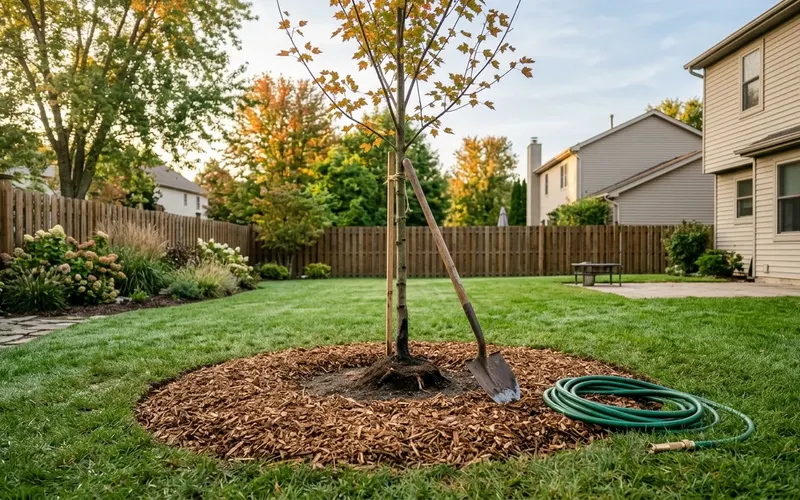
Plant in fall after leaf drop or in early spring before bud break. Dig a hole 2 to 3 times wider than the root ball but no deeper, set the root flare at or just above grade, backfill with the soil you dug out, water well and mulch 2 to 3 inches deep without touching the trunk.
October 30, 2026
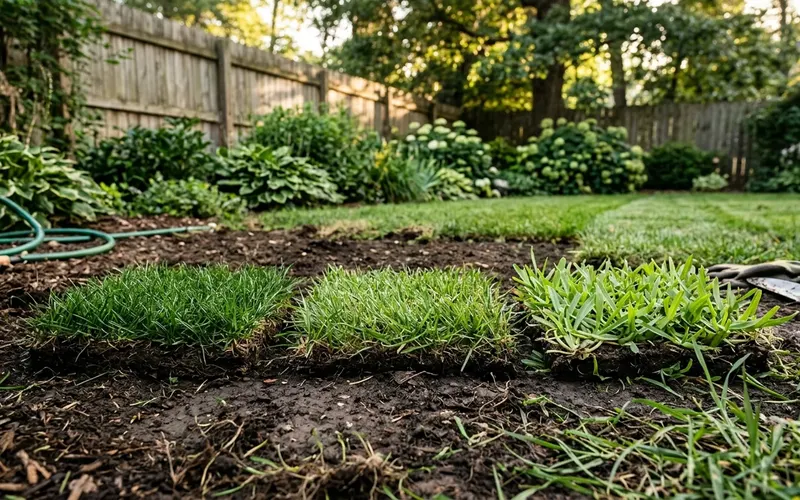
Lawn grasses are cool-season (Kentucky bluegrass, tall fescue, perennial ryegrass, fine fescue) for the North or warm-season (Bermuda, zoysia, St. Augustine, centipede, bahia, buffalograss) for the South. Pick by region first, then by sun, traffic and water.
October 28, 2026
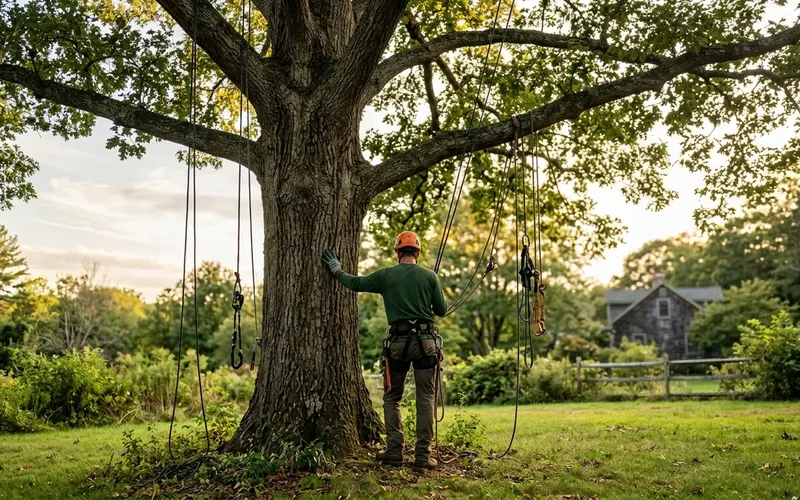
An ISA Certified Arborist has at least 3 years of tree care experience, passed a 200-question exam and keeps up with continuing education. Hire one for large-tree pruning, risk checks, removal decisions and sick trees.
October 26, 2026
For landscape pros
Claim your free listing to keep your details right, add photos and earn the Verified badge. Not listed yet? Add your business.