100 landscape pros in Columbus, GA, with an average Google rating of 4.6. Listings are ranked by rating weighted by review volume, so a 4.9 from hundreds of customers ranks above a 5.0 from three.
100 pros, ranked by rating and review volume














Local guide
Columbus sits where the Chattahoochee River crosses Georgia's fall line, so the soil under a yard here can be clay, sand or a mix of both. This guide covers the local planting zone, soil and grass, city trees and yard waste rules, and what to check before you hire landscapers or a tree service. For the statewide picture, see the Georgia guide.
On the USDA's updated Plant Hardiness Zone Map, Columbus moved into zone 8b, meaning its average coldest winter low has been 15 to 20°F, WRBL reported. On the previous map it was zone 8a, with lows of 10 to 15°F. Check your exact zone by ZIP code on the USDA map.
The New Georgia Encyclopedia describes the fall line as a boundary about twenty miles wide running from Columbus to Augusta, and notes that the city was established where the Chattahoochee crosses it. Sandy soils predominate south of the line, and clay soils are the rule to the north.
Sandhills are also found on the fall line. Their dune soils are 95 percent quartz sand, nutrient-poor and "extremely low in water-holding capacity," according to the Encyclopedia's sandhills article. In practice:
UGA Extension's lawn grass bulletin says tall fescue "is best adapted to Georgia's Piedmont Region," with a southern boundary around Griffin, though it turns up in shaded or protected spots further south. For sandier Columbus yards, two notes from the same bulletin matter:
The full comparison of bermudagrass, zoysiagrass and centipedegrass is in the Georgia guide. For timing, see when to fertilize your lawn.
Columbus's tree rules are in Article 6 of Chapter 4 of its Unified Development Ordinance, Tree Preservation and Replacement. If you're building a new home or a tree stands on city land, ask the city before anything is cut.
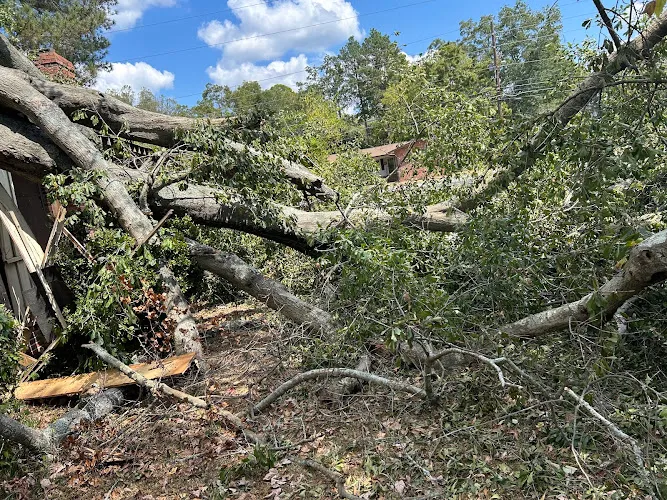
Public Works' Urban Forestry & Right-of-Way Division removes city trees only when they are damaged to the point of being a danger, plants trees from January through April, and clears tree debris from roads after storms. Planting requests go through 311. Not sure a tree on your own lot needs to come down? See how to tell if a tree is dying.
Under the city's collection rules:
Columbus quotes vary with lot size, soil and access. These national ranges from our cost guides are a starting point:
On the USDA's updated Plant Hardiness Zone Map, Columbus is in zone 8b, meaning its average coldest winter low has been 15 to 20°F. On the previous map it was zone 8a, with lows of 10 to 15°F. You can check your exact zone by ZIP code on the USDA map.
Public Works' Urban Forestry & Right-of-Way Division removes city trees only when they are damaged to the point of being a danger, plants trees from January through April, and clears tree debris from roads after storms. Planting requests go through 311. Call 311 before any work on a city tree, and if you're building a new home, ask the city about its tree rules before anything is cut.
Limbs must be no longer than four feet and no wider than six inches in diameter, or they won't be collected. Bulk yard waste and large piles need a 311 request. A cut-down tree isn't part of normal collection: the city's Tree for Fee pickup, requested at 706-225-4661, costs $50 per load plus a $76.50 tipping fee per ton. City Ordinance 13-167.2(8) requires landscape firms and contractors to remove the waste their work creates.
Columbus sits on the fall line, where the Chattahoochee River crosses from the Piedmont into the Coastal Plain. The New Georgia Encyclopedia says sandy soils predominate south of the line and clay soils are the rule to the north, and sandhills on the fall line have soils that are mostly quartz sand and very low in water-holding capacity. The Muscogee County Extension office offers soil tests through UGA labs.
UGA Extension says tall fescue is best adapted to Georgia's Piedmont, with a southern boundary around Griffin. For sandier soils, UGA says bahiagrass is well adapted to mid to lower Georgia and tolerates drought and nematodes, though it has an open canopy and unsightly seedheads, and St. Augustinegrass needs more nitrogen where soils are sandy.
Other cities in Georgia
More landscape pros in the area
Guides
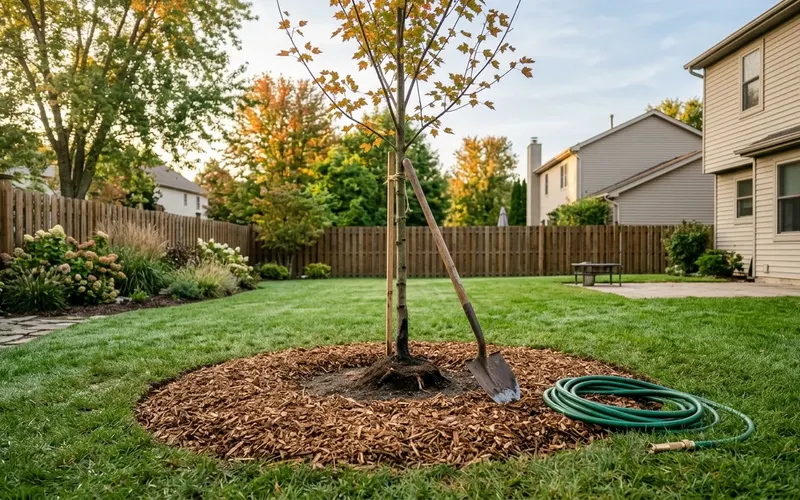
Plant in fall after leaf drop or in early spring before bud break. Dig a hole 2 to 3 times wider than the root ball but no deeper, set the root flare at or just above grade, backfill with the soil you dug out, water well and mulch 2 to 3 inches deep without touching the trunk.
October 30, 2026
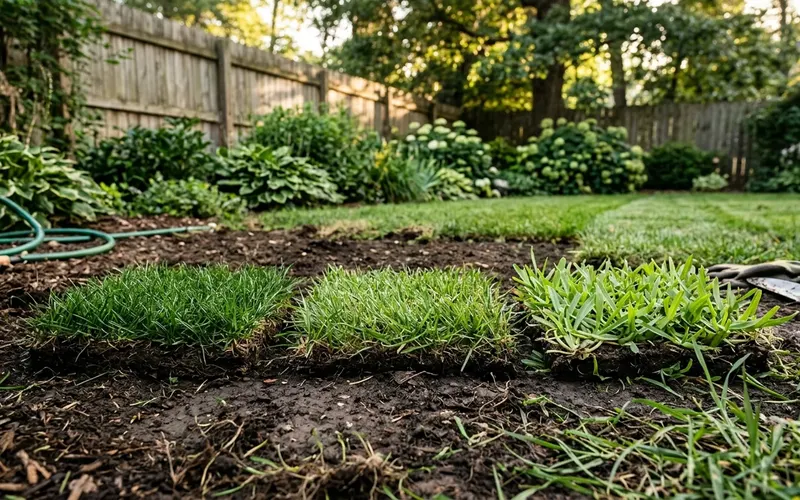
Lawn grasses are cool-season (Kentucky bluegrass, tall fescue, perennial ryegrass, fine fescue) for the North or warm-season (Bermuda, zoysia, St. Augustine, centipede, bahia, buffalograss) for the South. Pick by region first, then by sun, traffic and water.
October 28, 2026
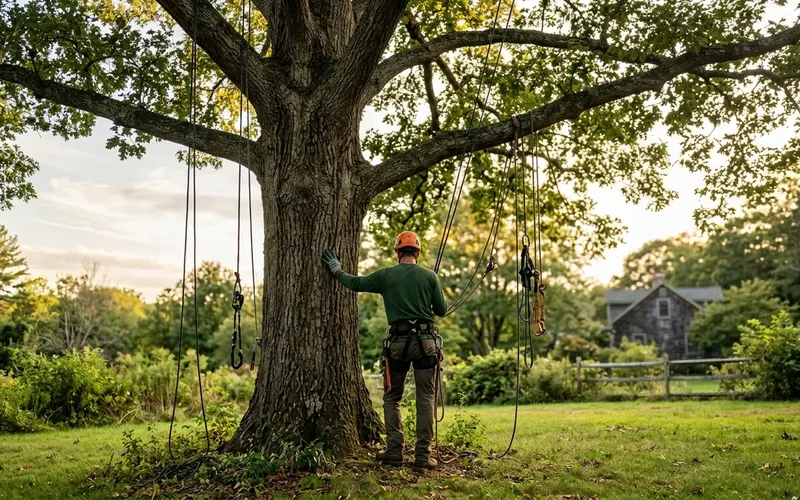
An ISA Certified Arborist has at least 3 years of tree care experience, passed a 200-question exam and keeps up with continuing education. Hire one for large-tree pruning, risk checks, removal decisions and sick trees.
October 26, 2026
For landscape pros
Claim your free listing to keep your details right, add photos and earn the Verified badge. Not listed yet? Add your business.