164 landscape pros in Atlanta, GA, with an average Google rating of 4.6. Listings are ranked by rating weighted by review volume, so a 4.9 from hundreds of customers ranks above a 5.0 from three.
164 pros, ranked by rating and review volume














Local guide
Atlanta yards sit on Piedmont red clay, in a climate whose winters have grown a little milder on the USDA's planting map. This guide covers what that means for a lawn and landscape in the city, the city's tree rules, and what to check before you hire a pro. For the statewide picture, see the Georgia guide.
On the USDA's previous map, north Fulton, Cherokee and Forsyth counties were zone 7b. With the updated map, UGA Extension in Fulton County reports that Fulton, Cobb, Forsyth and Cherokee counties were reassigned to zone 8. Zones are based on the average annual extreme minimum winter temperature, so plants rated right at the edge of zone 8 can still be hurt in a colder than usual winter. Check your exact zone by ZIP code on the USDA map.
Atlanta is in Georgia's Piedmont region. The New Georgia Encyclopedia describes the Piedmont's rocks as often covered by a thick layer of decomposed rock called saprolite, "which is the red clay of Georgia," and notes that it erodes easily once its plant cover is removed. In practice:
Atlanta is north of Griffin, which UGA Extension gives as the rough southern limit for tall fescue, so both cool-season and warm-season grasses are options here:
Centipedegrass and St. Augustinegrass do best in the middle and lower parts of the state, according to the same bulletin. For a seasonal plan, see when to fertilize your lawn and overseeding a lawn.
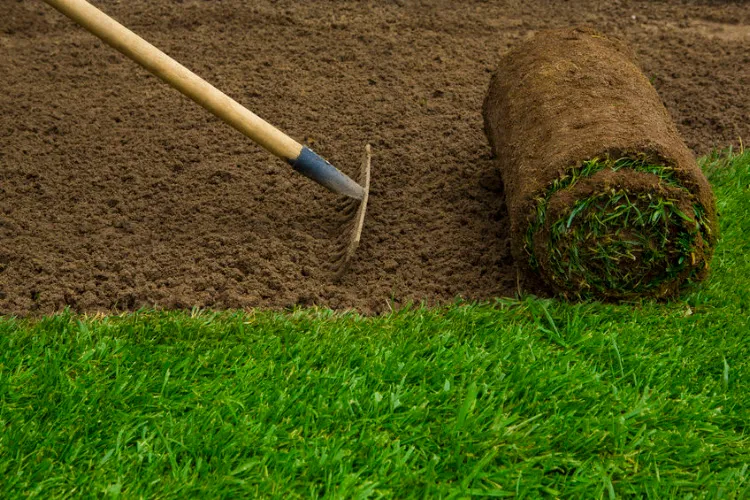
UGA Extension's Fulton County office publishes monthly lawn advice for the area. Its May update says "May through July is the best time to seed or sod a new warm-season lawn," and that cool-season lawns such as tall fescue shouldn't be seeded, interseeded or sodded until fall. UGA recommends seeding tall fescue between Sept. 15 and Oct. 15. For trees and shrubs, UGA says "the best time to plant is typically in the fall."
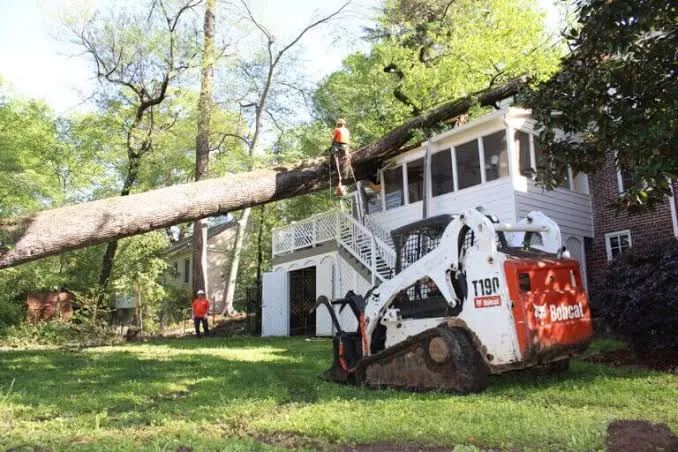
Atlanta protects its tree canopy on private property, not only in parks. The city's Arborist Division says the Tree Ordinance prohibits destroying and removing trees except as the ordinance allows. On private property, removal is permitted either under a building permit or through an application to remove a dead, dying, diseased or hazardous tree. The Division also investigates illegal tree removal, and citations can carry recompense and penalty fees.
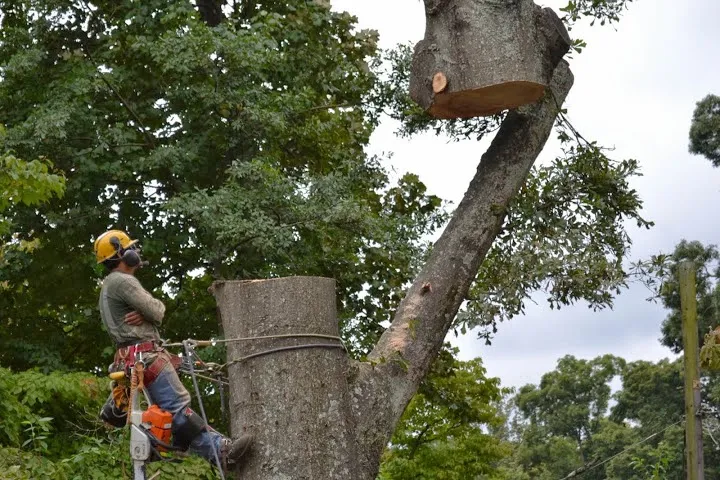
Before any tree comes down inside city limits, ask the tree service who is getting the permit, and don't let work start until it's issued. The Arborist Division can be reached at [email protected] or 404-330-6874. The ordinance covers the City of Atlanta; elsewhere in the metro, check your own city or county's tree rules. Not sure a tree needs to come down? See how to tell if a tree is dying.
Atlanta follows Georgia's non-drought watering schedule: outdoor watering of plants and lawns between 4 p.m. and 10 a.m. any day. New plantings are exempt during installation and for 30 days after, and so are drip irrigation, soaker hoses and hand watering with a shutoff nozzle. More detail is in the Georgia guide.
Atlanta quotes vary with lot size, slope and access. These national ranges from our cost guides are a starting point:
Inside the City of Atlanta, the Tree Ordinance prohibits removing trees except as it allows. On private property, removal is permitted under a building permit or through an application to remove a dead, dying, diseased or hazardous tree. Contact the city's Arborist Division at [email protected] or 404-330-6874 before work starts.
On the USDA's updated map, UGA Extension in Fulton County reports that Fulton, Cobb, Forsyth and Cherokee counties were reassigned to zone 8. On the previous map, north Fulton, Cherokee and Forsyth were zone 7b.
For warm-season grasses like bermudagrass and zoysiagrass, UGA Extension's Fulton County office says May through July is the best time to seed or sod a new lawn. Cool-season lawns such as tall fescue should wait until fall; UGA recommends seeding tall fescue between Sept. 15 and Oct. 15.
Atlanta is north of Griffin, the rough southern limit for tall fescue according to UGA Extension, so both kinds work. Bermudagrass suits full sun, some zoysiagrass cultivars handle partial shade, and tall fescue stays green in winter but may need summer irrigation.
Atlanta follows Georgia's non-drought schedule: between 4 p.m. and 10 a.m. any day. New plantings for 30 days after installation, drip irrigation, soaker hoses and hand watering with a shutoff nozzle are allowed at any time.
Other cities in Georgia
More landscape pros in the area
Guides
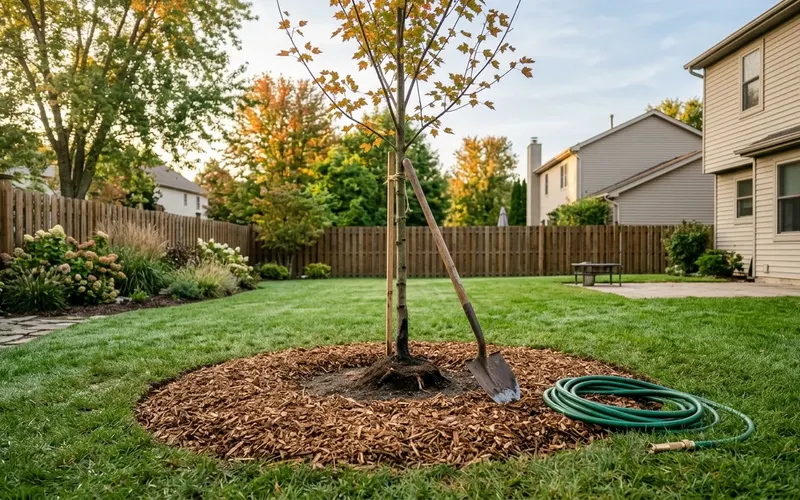
Plant in fall after leaf drop or in early spring before bud break. Dig a hole 2 to 3 times wider than the root ball but no deeper, set the root flare at or just above grade, backfill with the soil you dug out, water well and mulch 2 to 3 inches deep without touching the trunk.
October 30, 2026
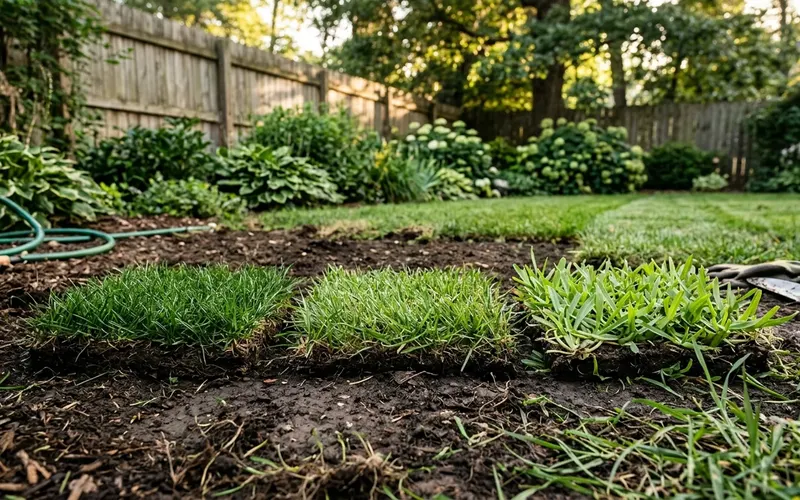
Lawn grasses are cool-season (Kentucky bluegrass, tall fescue, perennial ryegrass, fine fescue) for the North or warm-season (Bermuda, zoysia, St. Augustine, centipede, bahia, buffalograss) for the South. Pick by region first, then by sun, traffic and water.
October 28, 2026
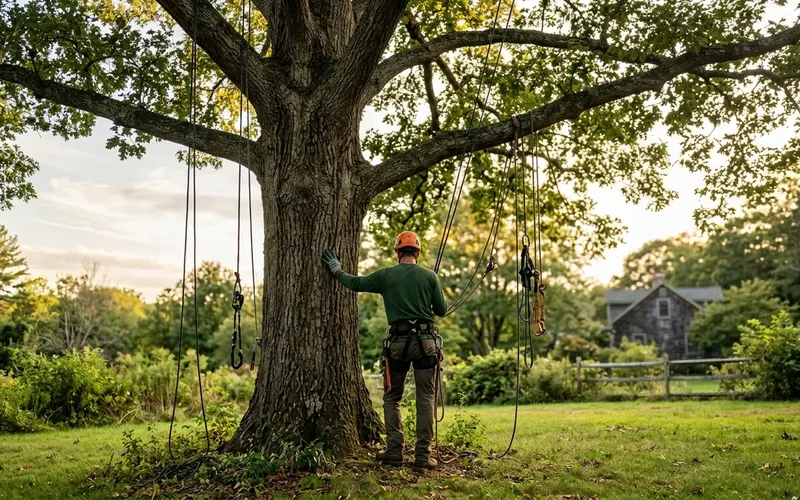
An ISA Certified Arborist has at least 3 years of tree care experience, passed a 200-question exam and keeps up with continuing education. Hire one for large-tree pruning, risk checks, removal decisions and sick trees.
October 26, 2026
For landscape pros
Claim your free listing to keep your details right, add photos and earn the Verified badge. Not listed yet? Add your business.